
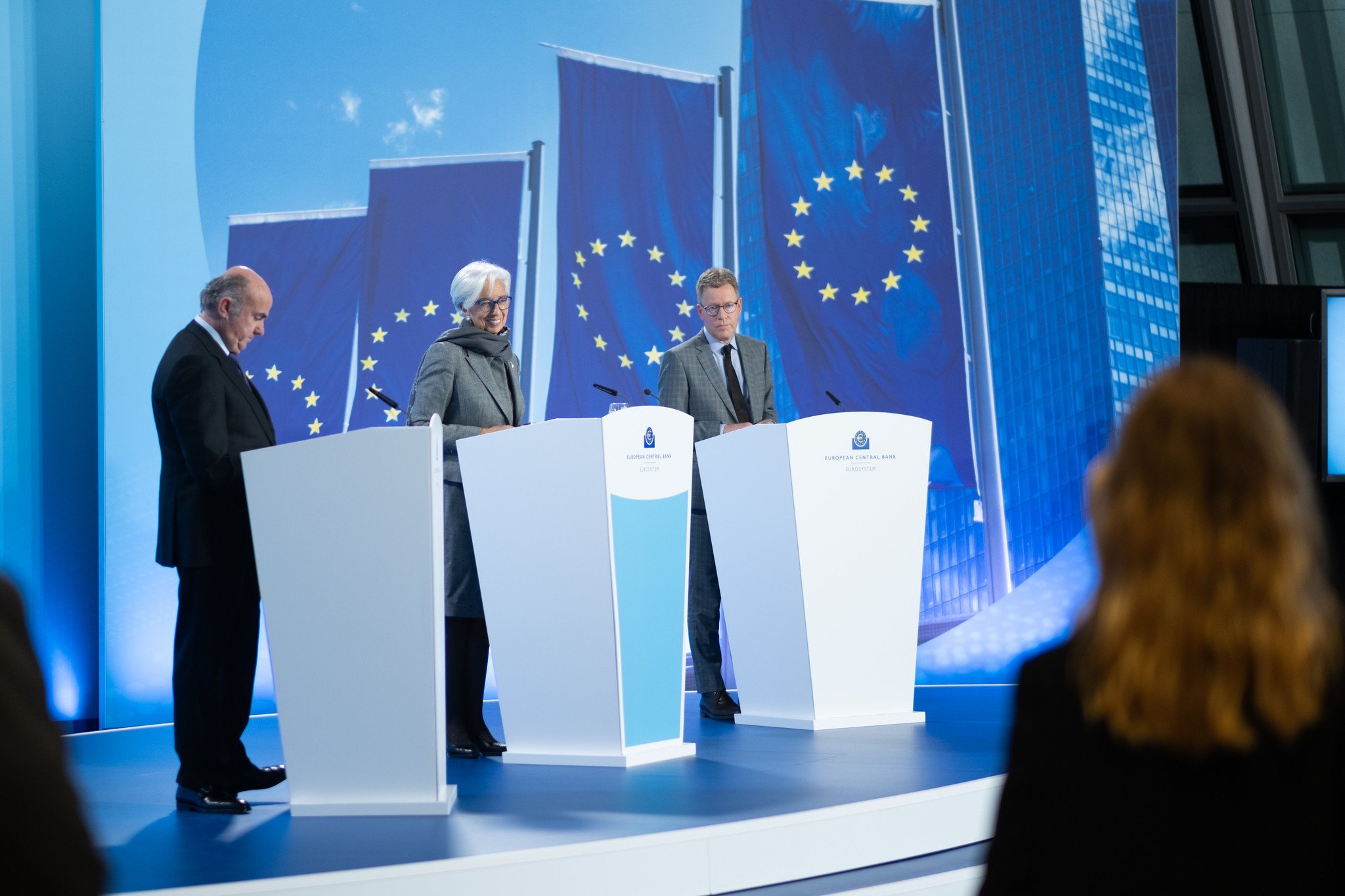
For every 10-percent rise in oil and gas prices, overall inflation increases by 0.36 percentage points. This is what the London-based research institute New Economics Foundation (NEF) found in new research published on Tuesday (15 September). They also modelled what would happen if energy prices were to rise by 50 percent, finding that it pushes up overall inflation by an extra 1.8 percentage points above already existing price pressures. For context, oil prices have risen by 60 percent compared to last year. Dutch benchmark gas prices are now 166 percent higher than last year, although this won’t all end up in the final consumer bill. Price-hedging, regulated tariffs and government fiscal support absorb some (or much, depending on the policy mix) of these price moves before it reaches households. The NEF itself assumes only a fifth of the total effect arrives within a year, drawing on Bank of England estimates, and the report’s authors note these estimates are “illustrative rather than predictive”. Across the 13 countries that have detailed-enough data, fossil fuel and energy costs were the single biggest inflation risk in all but two, and made the top five everywhere. The Czech Republic, Bulgaria and Croatia come off the worst, while Sweden and Austria come off better. "The price of fossil fuels has been the trigger for most of the major moments of high European inflation in the past half-century, from the 1970s OPEC embargo to Russia's invasion of Ukraine to the US and Israel's attacks on Iran," said Maike Schmidt, a researcher at NEF. "Kicking our addiction to volatile oil and gas is the only way to limit inflation across the continent,” she added. Last week, the European Central Bank raised interest rates again in an effort to signal its determination to stop inflation from spreading through the economy. But this also raises the cost of renewables which are ofted debt-funded and require large amounts of cash upfront, the NEF warns. By raising borrowing costs the ECB risk “carbon lock-in” where increased oil and gas reliance leads to price instability which it is meant to prevent.
Fighting fossil-fuel inflation with ECB rate hikes punishes renewables, research finds
Full Article
Original Source
Read the full article at Euobserver →KhanList aggregates and links to publicly available news content. We do not host full articles from third-party sources. Always verify important information with original sources.