
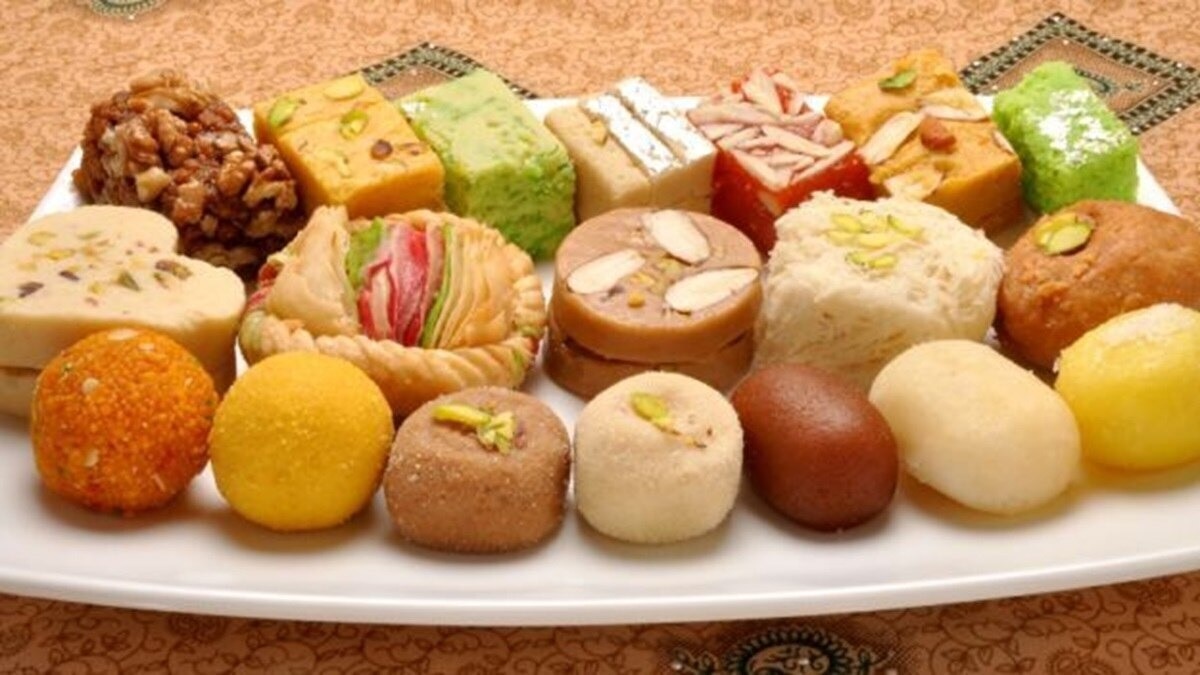
Rising sugar prices are pushing food companies to consider higher prices and smaller packs before the festive season. The supply squeeze may keep mithai, biscuit and cookie costs under pressure for consumers.Long-term relief on sugar prices remains uncertain. The festive season is approaching, but for consumers, the celebrations could come with a higher bill. Rising sugar prices are putting pressure on food companies, with sweets, biscuits, cookies, chocolates and beverages among the categories that could become more expensive.Companies are now weighing higher retail prices against smaller pack sizes as they try to absorb the jump in raw material costs. For some brands, the impact is already showing up in pricing decisions.Bikaji Foods, for instance, is in the process of rolling out a roughly 2% price increase across its sweets' portfolio, its CFO Rishabh Jain said, reported Times of India. Sugar procurement costs remain around 20% higher than they were a couple of months ago, even after government measures to contain prices, he said.The pressure comes just ahead of a period when demand for sweets, biscuits, chocolates and other food products typically picks up. SUGAR PRICES RISE SHARPLYData from the consumer affairs ministry showed that the all-India average monthly retail price of sugar stood at Rs 62 per kg in September, up from Rs 47 per kg in June.Average wholesale sugar prices also rose to Rs 5,747 per quintal in September, compared with Rs 4,350 in June. The increase has complicated cost calculations for food companies, particularly those operating in sugar-heavy categories.A senior executive at a large packaged food company told the Times of India that the gap between the sugar cost originally factored into company budgets and current procurement costs has become significant."Companies have no option but to pass on price increases to consumers," the executive said.The executive added that companies could also reduce grammage at lower price points, while higher raw material costs could force them to cut marketing spending.ANOTHER 2-5% PRICE HIKE POSSIBLEThe pressure may not stop with the price increases already announced.Analysts at Anand Rathi said in a late-August note that rising prices of sugar, tea and coffee over the past three months could trigger another 2-5% round of price hikes or shrinkflation, particularly in packaged foods.Shrinkflation involves reducing the quantity of a product while keeping its price unchanged.That means consumers could face two possible outcomes during the festive season: higher prices for the same product or the same price for a smaller pack.For companies, the challenge is particularly acute in food because raw materials account for a relatively large share of the cost of goods."Unlike personal care, in the case of foods, the cost of goods makes for a much larger component," the packaged foods executive said.FESTIVE SEASON ADDS TO THE PRESSUREThe timing could make the situation more difficult for companies.Festive demand typically increases purchases of sweets, biscuits, chocolates and other food products. Companies therefore have to balance the need to protect margins with the risk that higher prices could affect consumer demand.Parle Products chief marketing officer Mayank Shah said the company was already seeing some impact on margins."Ideally, we would not want to take a price hike at the moment and we are increasing our efficiencies ahead of the festive season," Shah told TOI.This suggests that not every company is immediately passing the entire increase in input costs to consumers. Some are instead looking at operational efficiencies to manage the pressure.WHY ARE SUGAR PRICES RISING?Lower-than-expected sugar production is another factor behind the pressure on prices.Government estimates put sugar production for the current season, which runs from October to September, at around 306 lakh metric tonnes (LMT). That is substantially below the initial estimate of around 343 LMT.Pest infestation and waterlogging have weighed on production, according to government estimates.With supply under pressure, the government has allowed raw sugar imports for the first time in a decade and imposed stock limits in an effort to contain prices.These measures could help meet demand during the festive period, but questions remain over how much relief they can provide over a longer period.GOVERNMENT STEPS MAY NOT BRING LONG-TERM RELIEFPushan Sharma, director at Crisil Intelligence, said the government measures could help address the immediate demand-supply situation during the festive season."Even though the measures are likely to cater to peak demand during the festive season, it may not provide long-term respite for consumers on the price front," Sharma said.Sharma also highlighted a structural concern around India's sugar production.India's sugar recovery rate has declined from 10% in the 2022 season to 9.3% in 2026, according to Sharma."India needs to move towards better varieties to increase its sugar production," he said.The extent of the impact will vary from one company and product to another. Brands with greater exposure to sugar-intensive categories such as beverages, biscuits, confectionery and sweets could face more pressure.Companies can respond through a combination of price hikes, smaller pack sizes and cost-cutting measures.For consumers, that could mean paying more for their favourite cookies or mithai during the festive season — or getting less for the same price.With retail sugar prices already up sharply from June and food companies facing higher procurement costs, the pressure on festive food prices is unlikely to disappear immediately.- EndsPublished On: Sep 7, 2026 09:00 IST
Festive season sweet cravings to be hit as sugar prices remain high
Full Article
Original Source
Read the full article at Indiatoday →KhanList aggregates and links to publicly available news content. We do not host full articles from third-party sources. Always verify important information with original sources.