
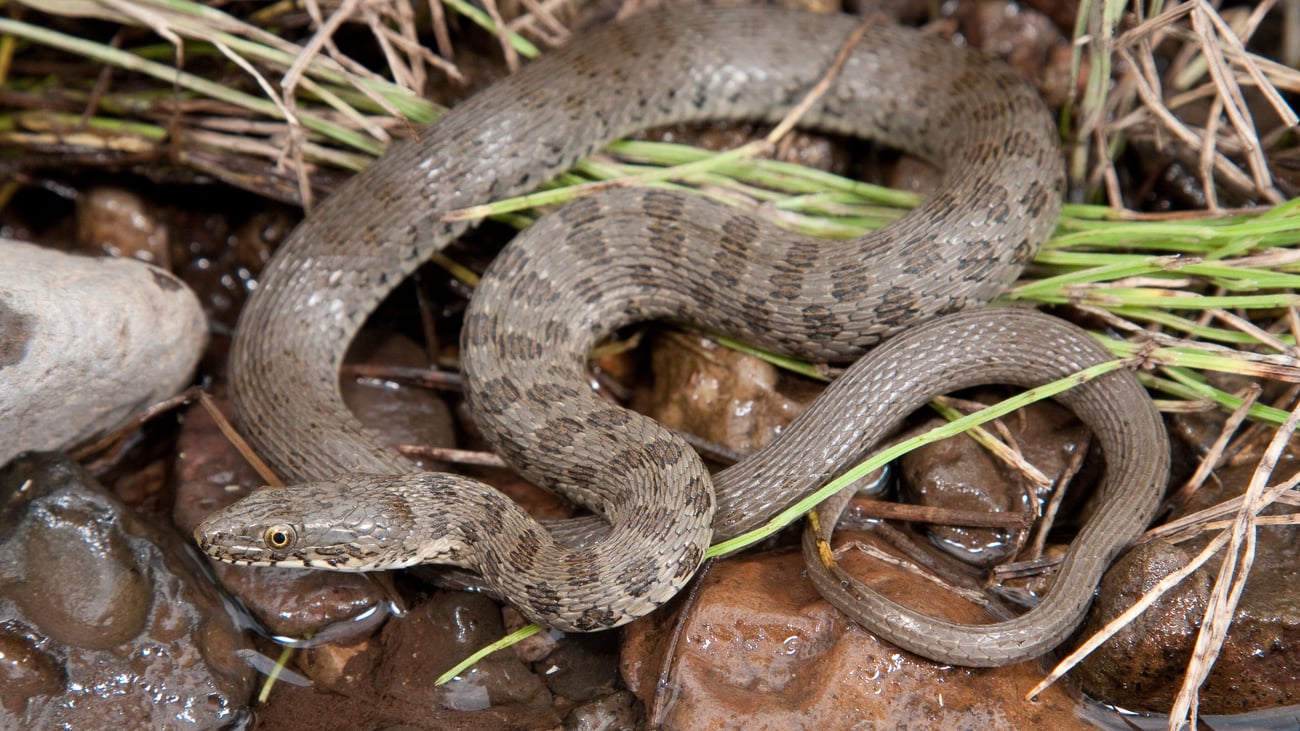
Renewing complaints first made in 2020, conservationists say federal agencies are in violation of the Endangered Species Act by allowing cattle into riparian areas in which grazing is prohibited.TUCSON, Ariz. — Conservationists sued the Trump administration Tuesday, claiming it has failed to protect endangered species and riparian habitat from illegal livestock grazing along the Upper Verde River in Arizona.After an agreement with the U.S. Forest Service and U.S. Fish and Wildlife to keep cattle out of riparian areas expired in 2024, the Center for Biological Diversity and the Maricopa Bird Alliance documented escalating damage on six public land allotments, dragging the agencies back to court.“Despite being off-limits to grazing, recurring cattle damage to endangered species critical habitat has forced us to court again,” Chris Bugbee, senior conservation advocate at the Center for Biological Diversity, said in a press release. “It’s pathetic that we need to sue again because the Prescott National Forest refuses to control their rancher permittees.”The Upper Verde River flows more than 45 miles through the Prescott National Forest west of Sedona, Arizona — a rare perennial stream lined with willows and cottonwoods that serves as critical habitat for endangered narrow-headed gartersnakes, western yellow-billed cuckoos and small fish known as spikedance.The center has documented cattle damage to critical habitat for those species for years, most recently in 2025. It says Prescott National Forest officials have failed to continue enforcing protections for those species and their habitat.In 2026, center biologists found that 40% of nearly 34 miles surveyed on the Upper Verde were moderately or significantly damaged by unauthorized cattle. All the surveyed areas are explicitly closed to grazing.“The Prescott National Forest needs to get its grazing program under control,” Bugbee said. “The Verde River is too important to people and native wildlife to be repeatedly damaged by cows that shouldn’t be there in the first place.”Livestock directly harm riparian habitats through removal of vegetation, according to the center. Loss of riparian in turn raises water temperatures, reduces bank stability, and alters stream structure. Cattle can also physically alter streambanks through trampling and shearing, leading to erosion that can alter the width and depth of channels and potentially eliminate pool and backwater habitats.In its complaint, filed in the Tucson division of Arizona federal court, the center and the Maricopa Bird Alliance say the agencies are in violation of three Endangered Species Act consultations spanning from 2002 to 2017, all of which prohibit grazing on allotments along the Upper Verde River. The consultations concluded no adverse effect to endangered species under the assumption that no grazing would take place.Still, cattle are regularly found along the river, having entered through areas where fences are damaged or entirely missing.The damage caused by livestock grazing isn’t contained to the river.Of the 3,131 miles of endangered species critical habitat surveyed regionwide from 2017 to 2025, the center says 50% has been significantly damaged by cattle grazing and 13% has been moderately damaged.At the Agua Fria National Monument to the east, a federal judge found in March that the agencies violated the Endangered Species Act by continuing to issue grazing permits despite evidence that fencing failed to keep livestock from damaging protected streams. Those same legal obligations apply to the Forest Service’s management of grazing along the upper Verde River, the center says in its lawsuit.This is the second time in recent years the groups have sued the U.S. Forest Service and U.S. Fish and Wildlife Service over the same issues. The center and the alliance first sued the agencies in 2020, after which the Forest Service agreed to repair fences and routinely remove unauthorized cows for three years until the agreement eventually expired.Riparian areas cover less than 1% of Arizona but support up to 75% of its wildlife, making them among the region’s most important and imperiled ecosystems, according to the center. A 2025 report documented chronic and severe damage from unlawful livestock grazing to endangered species habitat along hundreds of miles of streams, rivers and tributaries on public lands in Arizona and New Mexico.The center calls livestock overgrazing a “leading cause of species endangerment in the Southwest.”Subscribe to our free newslettersOur weekly newsletter Closing Arguments offers the latest about ongoing trials, major litigation and rulings in courthouses around the U.S. and the world, while the monthly Under the Lights dishes the legal dirt from Hollywood, sports, Big Tech and the arts.Additional Reads
Feds sued over livestock grazing in Arizona critical habitat
Full Article
Original Source
Read the full article at Courthousenews →KhanList aggregates and links to publicly available news content. We do not host full articles from third-party sources. Always verify important information with original sources.