
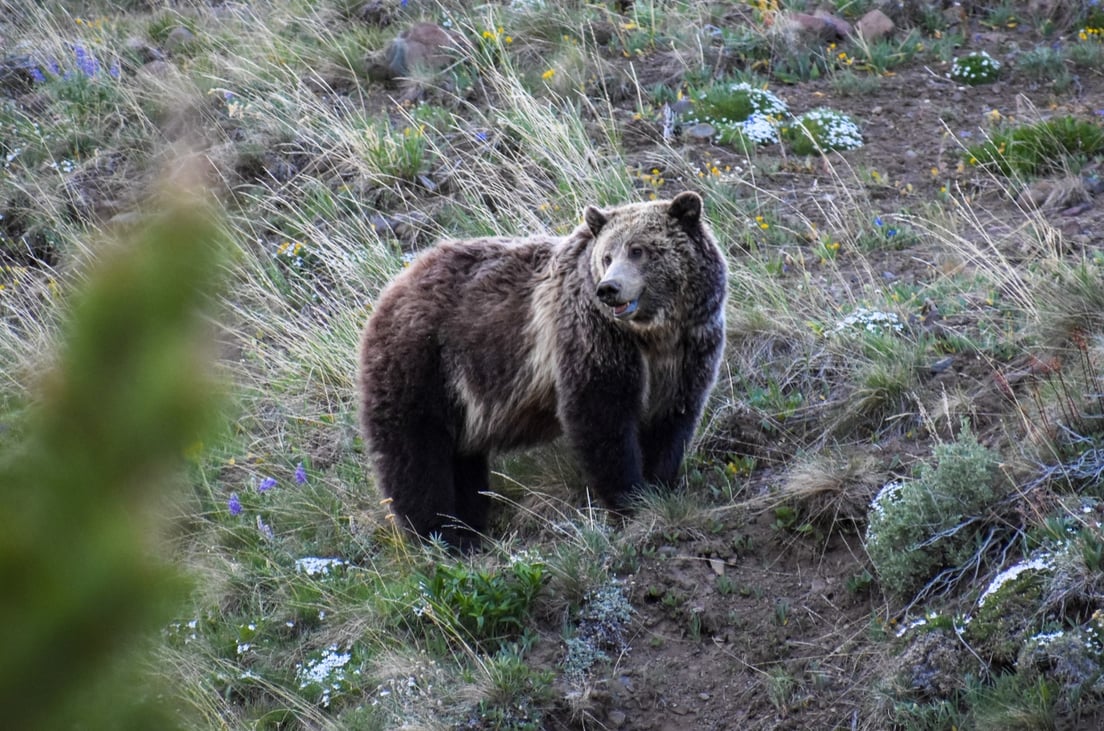
The logging project intended to reduce wildfire risk comes on the heels of a similar project that conservation groups concerned about lynx and grizzly populations tried and failed to stop.(CN) — A logging project intended to reduce wildfire risk in a Montana forest came under fire in federal court on Wednesday as four conservation groups argued the project violates environmental law.“Despite these extensive clearcuts and this massive network of roads, this area remains important habitat for threatened and endangered species, including the grizzly bear and the Canada lynx,” argued Oliver Wood, attorney representing the plaintiffs.The federal government in March granted permission for the project, dubbed “Cyclone Bill,” to cut down or burn more than 12,000 acres of trees.Four conservation groups — Native Ecosystems Council, Alliance for the Wild Rockies, Council on Wildlife and Fish and Yellowstone to Uintas Connection — sued the Forest Service, Fish and Wildlife Service and William Mulholland, a district ranger of the Flathead National Forest in July.The project is slated for the Flathead National Forest, around 13 miles west of Whitefish, Montana. The forest has some of the densest population of grizzly bears in the country.“For grizzlies, this project area is important because it sits between the Northern Continental Divide Recovery Zone and the Cabinet-Yaak Ecosystem Recovery Zone, which makes this place important as a location where grizzly bears will disperse into the Cabinet-Yaak ecosystem to provide necessary gene flow to the recovering population of grizzly bears,” Wood said.The Tally Lake Ranger District has authorized extensive logging in the area in recent years. The approval for the “Cyclone Bill” project came quickly on the heels of another, neighboring logging project, dubbed “Round Star,” which is currently underway. The same four conservation groups have also sued to stop that project, though they were denied a preliminary injunction over the summer.“In approving the Cyclone Bill, the defendants significantly downplayed the impacts of the project in conjunction with other substantial amounts of logging and roadbuilding occurring in the Tally Lake Ranger District that will also adversely affect grizzly bears and lynx,” Wood said.Fuel treatment projects are likely to significantly impact lynx, Wood said.The groups say the Fish and Wildlife Service and Forest Service failed to consider the impacts on lynx and grizzlies in the project’s biological opinion, which they contend violated multiple federal laws.The federal defendants also moved for summary judgment, arguing the agencies considered the impacts and reasonably explained their conclusions.“The project is designed to improve forest health while reducing wildfire severity,” argued John Tustin, Justice Department attorney.The defendants noted the project approves treatments on nearly 800 acres of lynx foraging habitat total, but emphasized the effects are temporary. For grizzlies, the agencies argued the project will actually help the bears.“The project improves conditions through the creation of over 1300 acres of secure habitat in areas where it’s most important for the bear and will have the most benefit,” Tustin.The project will also result in a net decrease in mileage of open roads, according to the defendants. Most grizzly bears are killed within a third of a mile of logging roads — many in car crashes.The trade association American Forest Resource Council intervened as a defendant and also moved for summary judgment, arguing the Cyclone Bill is an important land management project.“The project is actually in an area where there is a serious risk to life and private property within that wildland-urban interface, and therefore the project is treating areas trying to reduce that area,” said Julie Weis, attorney with Haglund Kelly representing the trade group.American Forest Resource Council noted the project is actively underway, with the government having awarded six contracts already.The plaintiffs are asking U.S. District Judge Dana Christensen to find the project violates the law and vacate its decision notice, final environmental assessment and finding of no significant impact.Christensen, a Barack Obama appointee, did not indicate when he would rule.Subscribe to our free newslettersOur weekly newsletter Closing Arguments offers the latest about ongoing trials, major litigation and rulings in courthouses around the U.S. and the world, while the monthly Under the Lights dishes the legal dirt from Hollywood, sports, Big Tech and the arts.Additional Reads
Feds squabble with conservation groups over Montana logging project
Full Article
Original Source
Read the full article at Courthousenews →KhanList aggregates and links to publicly available news content. We do not host full articles from third-party sources. Always verify important information with original sources.