
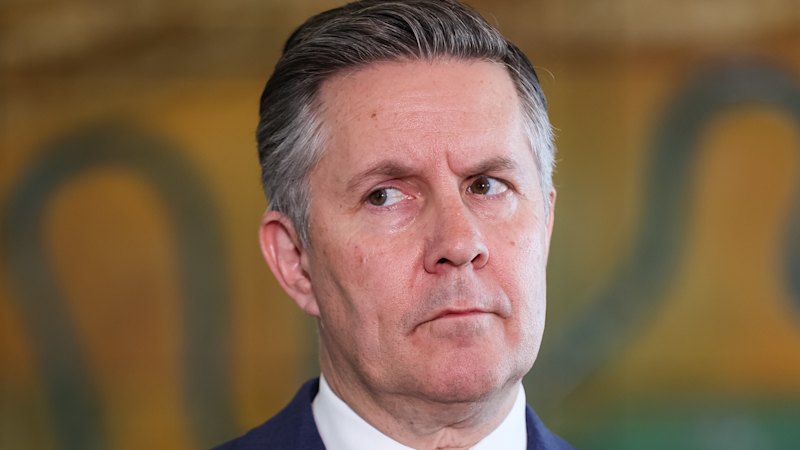
November 21, 2026 — 10:09pmAustralia’s booming online medicines industry faces a sweeping federal parliamentary investigation amid warnings that a new generation of digital health businesses is making it dangerously easy to obtain unapproved drugs.Health Minister Mark Butler has ordered an inquiry into the prescribing and sale of peptides, turning the spotlight on telehealth operators, online dispensaries and social media platforms fuelling demand for products promising dramatic physical transformations.Regulators and doctors have sounded the alarm over vertically integrated telehealth businesses that prescribe and deliver unapproved substances without patients ever stepping into a surgery.Alex EllinghausenThe investigation will examine whether Australia’s medical safeguards have kept pace with a business model that allows consumers to seek treatment, obtain prescriptions and have drugs delivered to their doors without ever setting foot inside a doctor’s surgery.At the centre of the government’s concerns is a growing market for peptides, substances increasingly promoted for weight loss, muscle growth, recovery and anti-ageing, despite warnings that many products have never been assessed by Australian regulators for safety or effectiveness.It marks a significant escalation in scrutiny of the digital healthcare economy, where the boundaries between medical advice, pharmaceutical sales and consumer marketing have become increasingly blurred.The Therapeutic Goods Administration has reported a rise in the importation, compounding, supply and advertising of unapproved peptide products, driven in part by online prescribing services and social media promotion.The Australian Medical Association has also cited a sharp increase in cases of people obtaining peptides from the grey market – often encountering them on social media – who experience serious side effects, hospitalisation and, in some cases, permanent health problems.“I know peptides are often marketed on social media as wonder-drugs, but the reality is that they can pose serious health risks to Australian consumers,” Butler said. “I am extremely concerned about escalating reports by the TGA of unapproved peptides being prescribed and delivered via telehealth and one-stop-shop style dispensaries.”While peptides are used in legitimate, approved medicines, regulators are concerned about the proliferation of unapproved preparations being sold to consumers seeking rapid results.The inquiry will examine the commercial incentives underpinning the industry’s growth, including vertically integrated healthcare businesses that control multiple stages of a patient’s treatment, from consultation and prescribing to dispensing.Health authorities have warned against using unregulated injectables being hyped by social media influencers. 60 MinutesSuch models can improve access to healthcare, particularly for Australians who struggle to see a doctor in person but also raise questions about whether businesses that profit from selling treatments can provide independent clinical advice.The inquiry was requested in a letter to Labor MP and doctor Mike Freelander, chairman of the House of Representatives health committee, on Friday.Its terms of reference go beyond the safety of individual drugs to examine whether Australia’s regulatory and enforcement systems are equipped to oversee new models of online healthcare.The committee will investigate prescribing patterns, the use of medicines outside their approved indications, consumer demand and the responsibilities of digital platforms in promoting peptide products.Special Envoy for Men’s Health, Labor MP Dan Repacholi, said social media was full of people promising bigger muscles, faster recovery and a better body.“But just because someone with a six-pack is promoting something online doesn’t mean it’s safe,” he said. “I’m particularly concerned about young blokes being influenced by what they see online and turning to unapproved products without understanding the risks.”The move also reflects growing alarm within Australian sport about the availability of substances that can pose both health and anti-doping risks.The inquiry is expected to begin consultation hearings this month and deliver its final report by mid-2027, potentially laying the groundwork for tighter controls on prescribing, advertising and the online supply of unapproved medicines.Cut through the noise of federal politics with news, views and expert analysis. Subscribers can sign up to our weekly Inside Politics newsletter.From our partners
Federal inquiry targets online clinics peddling ‘wonder-drug’ peptides
Full Article
Original Source
Read the full article at Smh →KhanList aggregates and links to publicly available news content. We do not host full articles from third-party sources. Always verify important information with original sources.