
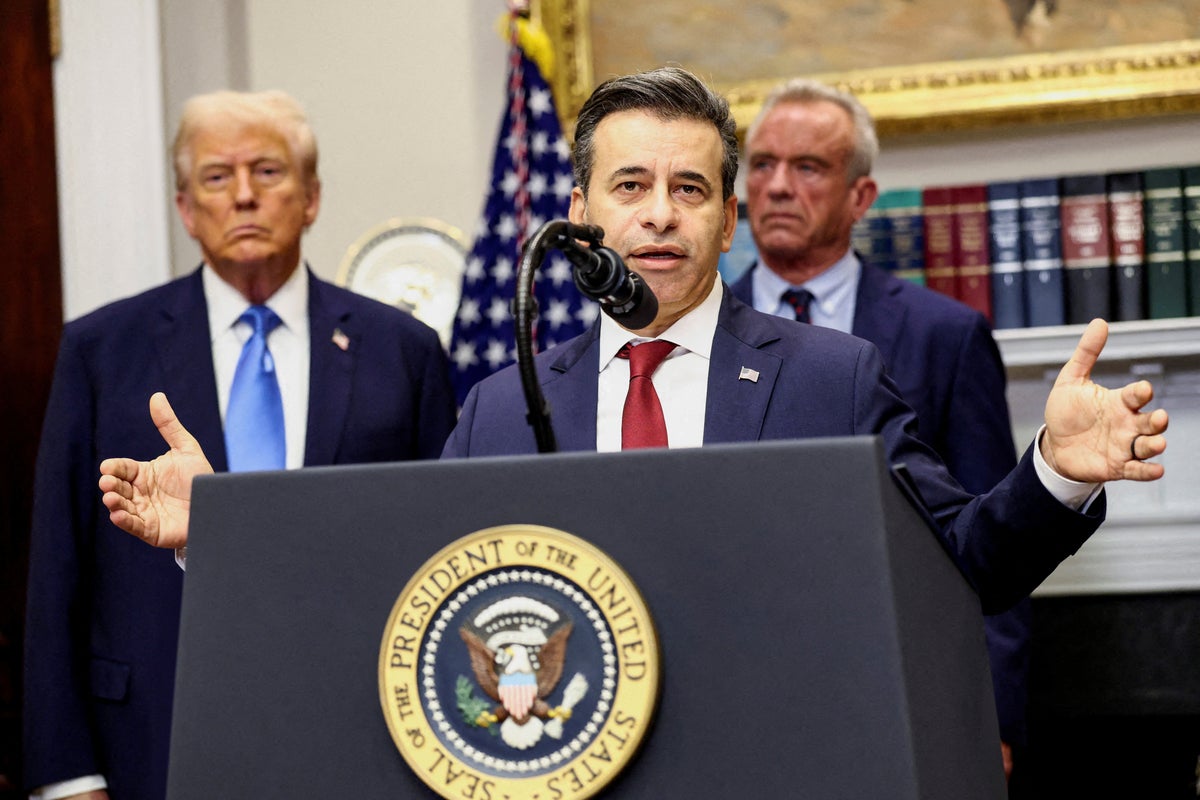
No new drugs have been given a voucher under the FDA's fast-track review program since Marty Makary left the agency in May. According to internal documents and six sources familiar with the matter, the initiative has now been shelved. The shelving of the National Priority Voucher program has not been previously reported.The Commissioner's National Priority Voucher program was launched in June 2025, during the Trump administration. Its aim was to compress drug review timelines to as little as one to two months for therapies addressing national priorities, such as urgent unmet health needs. Once presented as a bold fix for U.S. pharmaceutical regulation, the initiative has effectively stalled.Critics, however, pointed to possible preferential treatment for companies meeting President Donald Trump's demands, such as offering drugs at lower prices. The program has been left adrift, offering a stark window into the internal chaos, infighting, and lack of steady leadership that has plagued the FDA, which has been without a commissioner since May.President Donald Trump and U.S. Secretary of Health and Human Services Robert F. Kennedy Jr. listen as former Food and Drug Administration (FDA) Commissioner Dr. Marty Makary delivers remarks during a press conference to announce a link between autism and childhood vaccines (Reuters)A key component of the scheme, an executive council of political appointees that oversaw drug reviews and had a central role in speeding approvals, has gone dormant, internal documents show. Of the 22 drugs given a voucher, a dozen have been approved, including five since Makary's departure. For several drugs, the program sped approval by eight months or more.A source familiar with the process said FDA leadership told companies the agency is not moving forward with the program but is keeping applications open. When companies submit them, they don't advance, he said. Rich Danker, a former assistant secretary at the Department of Health and Human Services, said the initiative is quietly being phased out, pointing to the departure of the program's top administrator.He said no new vouchers have been awarded. HHS spokesperson Emily Hilliard said the pilot is ongoing and that the FDA is reviewing feedback from a June public hearing on it to refine the framework. The agency did not respond to requests for comment about the departure of the program's lead or whether it had appointed a new program coordinator.’Worst of both worlds’The pilot had drawn fierce criticism from regulatory experts over the handpicking of drugs and the makeup of the council, which included former acting drug center director Tracy Beth Hoeg and former biologics chief Vinay Prasad.One health policy professor described the plan as the "worst of both worlds" (AFP/Getty)Both left the FDA earlier this year.Holly Fernandez Lynch, a health policy professor at the University of Pennsylvania, described the program as “the worst of both worlds,” combining serious risks of political influence with potentially limited practical benefit since many drugs might have qualified for other speedy (review) pathways. During the June public hearing on the pilot, former FDA executive Peter Lurie criticized the program for ceding review decisions to political appointees, risking consumer safety with compressed timelines, and lacking transparency, echoing other medical experts, patient groups, and industry figures. Critics noted awards granted to companies that reached drug-pricing deals with the White House, such as Eli Lilly LLY.N and Novo Nordisk NOVob.CO.Germany's Merck KGaA MRCG.DE said in August it received a voucher for its fertility treatment Pergoveris as part of its drug-price agreement with the administration this year. Lilly, Novo and Merck KGaA declined to comment. The review of Sanofi's SASY.PA diabetes drug Tzield is one example of the council's role in the approval process.Tasked with evaluating the primary review team's recommendation, Hoeg withheld her approval of the drug. At three separate executive council meetings between October 2025 and April, she repeatedly raised safety objections. After she and Makary left, agency staff quickly granted accelerated approval in June.During the June public hearing on the pilot, former FDA executive Peter Lurie criticized the program for ceding review decisions to political appointees (Reuters)Hoeg, a sports medicine physician who opposed COVID-19 vaccines and pandemic policies, told Reuters she is concerned about children being prescribed Tzield, saying a clinical trial showed "minimal at most" benefit when weighed against the product's safety risks. Sanofi said the FDA concluded the drug's benefits outweighed the risks and detailed its scientific rationale in a public memo.Of the two latest voucher applications for new drugs cleared since Makary left, Merck's MRK.N cholesterol pill Lipfendra and Revolution Medicines' RVMD.O pancreatic cancer drug Rasonque, documents show neither was vetted by the executive council. Rasonque was approved on a swift timeline typical for breakthrough cancer therapies using the agency's preexisting oncology review mechanisms.Despite a high-profile Oval Office rollout with the company's CEO last year to tout new fertility initiatives, Merck KGaA's supposedly prioritized Pergoveris remains unapproved three months after the FDA accepted its final application following an eight-month rolling review. Merck KGaA and Revolution declined to comment on the review process, while US-based Merck did not respond to a comment request.For the nine drugs still in the program, FDA career scientists have resumed overseeing review timelines, two sources said.
FDA quietly shelves Trump’s flagship drug fast-track program amid reports of agency chaos
Full Article
Original Source
Read the full article at Independent →KhanList aggregates and links to publicly available news content. We do not host full articles from third-party sources. Always verify important information with original sources.