
There is a word in the opening episode of Fauda Season 5 that tells you exactly what is driving this story: “tha’r”, the Arabic concept of blood revenge. The political thriller series, created by Lior Raz and Avi Issacharoff shows Salem, a Bedouin father who has lost his son in the October 7 Hamas attack, discovering that the Hamas operative he holds responsible has escaped Gaza and is now in Marseille. He turns to his longtime friend Eli, who has lost his wife and children, and asks him to come with him. Eli initially hesitates. Salem knows exactly which wound to press: some losses cannot simply be left behind.That is where writer Omri Senhar makes a smart choice. Instead of using October 7 merely as a backdrop for another counter-terrorism mission, he makes grief, revenge and trauma the reason these characters move forward. Salem’s desperation and Eli’s loss give the Marseille mission an emotional purpose before the larger espionage plot takes over. It also allows Fauda to return to its familiar action without making the characters feel like they have simply been dropped into another mission.Set two years after October 7 attack, the opening three episodes find Doron Kavillio (Lior Raz) dealing with wounds that cannot be treated with a bandage. He is in therapy, struggling with memory and carrying the psychological impact of what happened. Gali is worried about him. Yet Doron has never been the kind of man who can simply walk away when an operation needs him.When he gets drawn into Salem and Eli’s mission in Marseille, the familiar Fauda machinery kicks in. Surveillance turns into infiltration, infiltration turns into a firefight and one personal mission begins to uncover something much bigger. Steve joins Doron despite the resentment between them, while the team’s old loyalties are tested all over again. And the action still hits hard.The gunfights arrive without much warning, the undercover sequences keep the tension alive and the violence is often brutally sudden. What works is that the operatives do not feel invincible. Even men who have spent years doing this can make one wrong move and find themselves surrounded, exposed or staring down a gun. That vulnerability keeps the first three episodes moving. But the explosions are not what give these episodes their weight.The shadow of October 7 hangs over the story. The brutality of the Hamas attack, including the massacre of civilians at the music festival, explains the rage and grief driving characters such as Salem and Eli. For the Israeli security operatives, the mission is no longer just another counter-terror operation. They are working in the aftermath of an attack that exposed how vulnerable Israel could be, while knowing that another failure could cost more innocent lives.That gives Doron and his team a difficult challenge within the story. They are not operating from some comfortable distance from the consequences. They are dealing with traumatised colleagues, unpredictable enemies, intelligence problems and their own personal losses. Their professionalism is constantly fighting with the very human desire for revenge.At the same time, Fauda cannot escape the larger tragedy surrounding the conflict. Israeli families were shattered on October 7, while the war that followed has also brought enormous civilian casualties and suffering on the other side. The opening episodes are strongest when they keep this as a human story rather than turning it into a political sermon. People are grieving, people are angry and people are making decisions with the consequences of violence hanging over them. Lior Raz continues to give Doron the physical intensity the character demands, but it is his quieter moments that stand out in these episodes. Doron is no longer simply the fearless operative charging into danger. The therapy sessions, memory lapses and hesitation before returning to the field give Raz room to show what years of violence have done to him. Yaakov Zada Daniel brings a different intensity as Eli, whose grief over losing his family makes his decision to pursue revenge feel personal rather than merely professional. Hakim Djaziri’s Saeed adds another layer to the Marseille track, while Mlanie Laurent brings restraint to Anne, who finds herself caught in a conflict far bigger than her own life.Omri Givon's direction keeps the action grounded rather than turning it into a superhero spectacle. Shoot-outs are messy, close and unpredictable, while the undercover sequences build tension through what the characters might discover rather than simply how many people they can take down. That matters because Fauda works best when the danger feels physical and immediate. Even seasoned operatives can make one mistake and lose control of a situation.The first three episodes therefore do what Fauda has always done best. It gives you the chase, the gunfire and the adrenaline, but keeps asking what happens to the people who have to live with all of it after the shooting stops.For now, Fauda Season 5 has enough firepower and emotional weight to keep Doron’s latest mission worth following.Fauda Season 5 is available for streaming on Netflix.This review is based on three episodes of Fauda Season 5.- EndsPublished By: Anurag BohraPublished On: Sep 9, 2026 15:44 IST
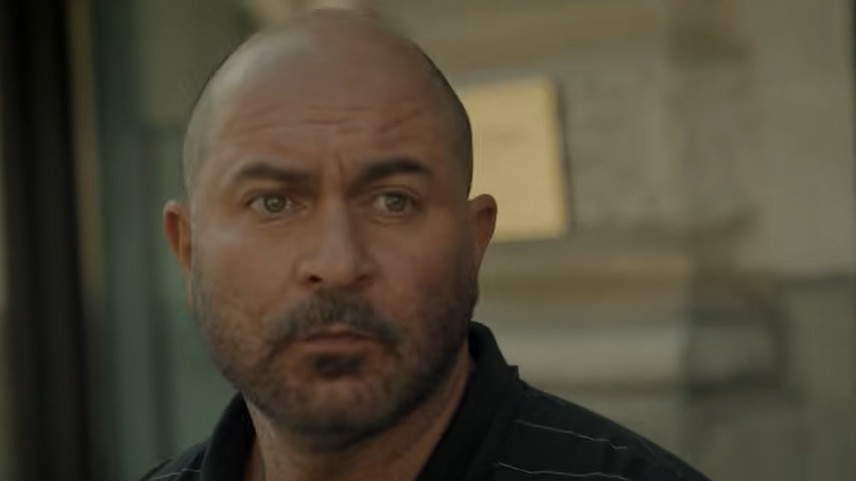
Fauda Season 5 review: Doron's comeback is explosive, but the scars run deeper
Full Article
Original Source
Read the full article at Indiatoday →KhanList aggregates and links to publicly available news content. We do not host full articles from third-party sources. Always verify important information with original sources.