
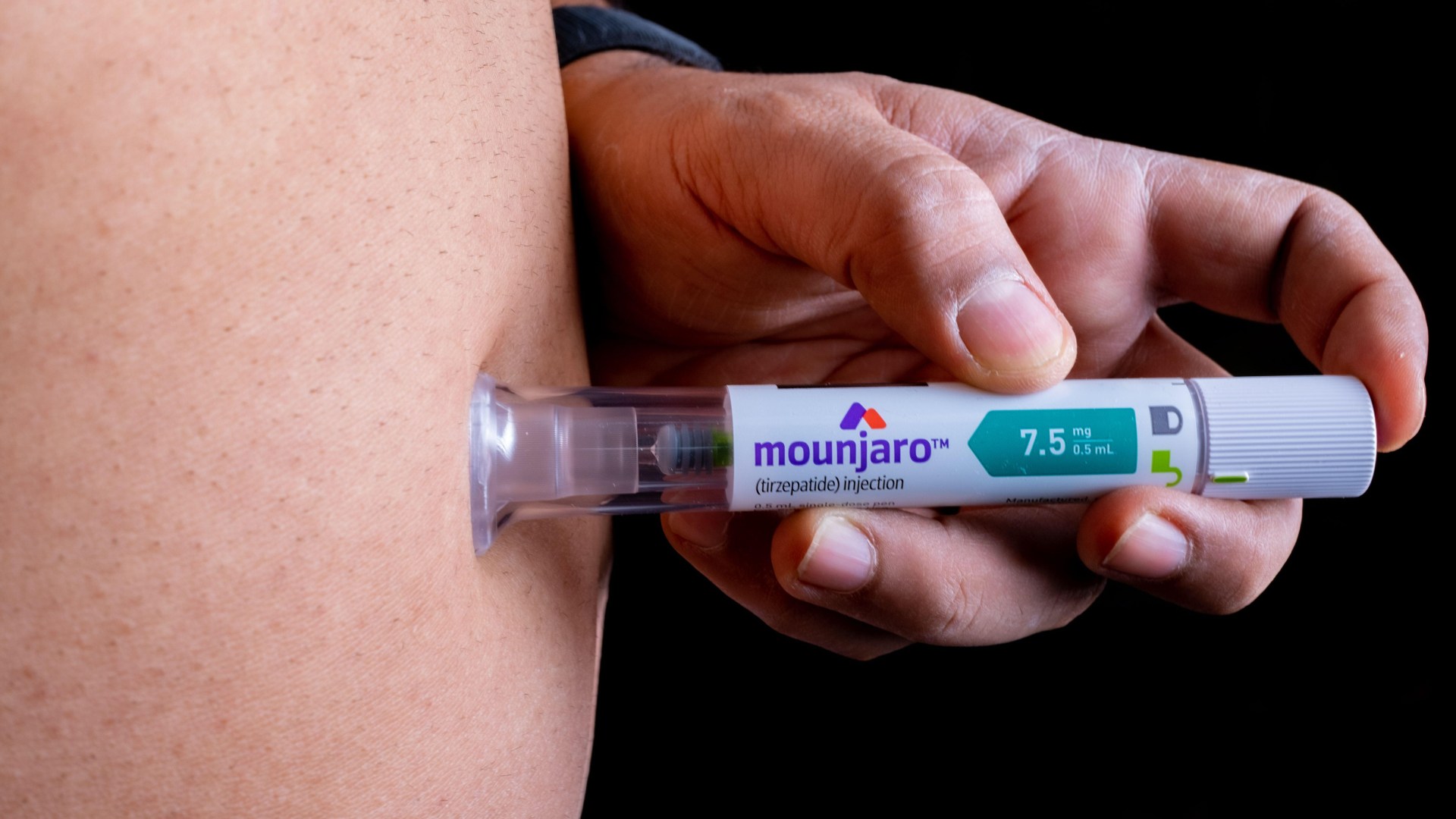
THEY have taken the nation’s waistlines by storm, helping thousands shed pounds and trim inches. So-called fat jabs have been dubbed a “miracle” – helping turn the tide on the obesity epidemic. But, users of one – dubbed the ‘King Kong’ of weight-loss medications – have reported an alarming mistake that is stopping them from reaping the drug’s fat-blasting benefits. Some Mounjaro users have reported they are failing to shed the pounds Credit: Alamy Annabelle Welch, an aesthetics practitioner in Sevenoaks, Kent, said she has witnessed clients on Mounjaro stop losing weight – and suspects it is because they are eating too little. Annabelle said, in a video shared to TikTok: “If you’re not fuelling your body with enough calories day to day your metabolic rate will drop, and your body will begin conserving fat rather than burning it.” The clip, which at the time of publishing has been viewed by over 400,000 people, attracted hundreds of comments from social media users, some of whom also claim to have stopped losing weight on the drugs. One commenter, who admitted to eating just one meal a day, wrote: “I’ve been on it for six weeks and I’ve lost no weight.” Mounjaro is often referred to as the “King Kong” of fat jabs because of its strong appetite-suppressing effects and impressive weight loss results – typically helping users shed 20 per cent of their body weight, compared to 13.7 per cent for Wegovy users. It is prescribed mainly for people with type 2 diabetes or those with a high BMI trying to lose weight under medical supervision. Though Annabelle isn’t a prescriber, her experience reflects what some experts are now warning about. They say that extreme calorie cutting while on weight loss injections can cause the body to go into ’emergency conservation’ mode. Dr David Huang, director of clinical innovation at weight loss service Voy, tells Sun Health: “If a person becomes extremely malnourished, their body goes into an emergency conservation state where their metabolism is slowed down to the extent that weight loss may plateau. “It also makes the weight loss very unsustainable in the long term, and there can be a bounce-back effect when patients re-feed.” WHO IS ELIGIBLE FOR WEIGHT LOSS JABS ON THE NHS? NHS eligibility for weight loss injections has expanded but still lags behind the number who could potentially benefit from taking them. Wegovy, medical name semaglutide, is only available for weight loss through specialist weight management clinics. Patients are typically expected to have tried other weight loss methods before getting a prescription. They may be eligible if their body mass index (BMI) is higher than 30, or higher than 27 if they have a weight-related health condition such as high blood pressure. Mounjaro, known as tirzepatide, is also available from GP practices but currently only to patients with a BMI of 40 or higher (or 37.5 if from a minority ethnic background) plus four weight-related health conditions. The medicines are currently being rationed to the patients most in need. NHS watchdog NICE estimates that more than three million Brits will ultimately be eligible. The GLP-1 injections are prescribed separately by GPs for people with type 2 diabetes, and patients should discuss this with their doctor. This means if you eat too little for too long, your body will slow down the number of calories it burns, holding onto fat to conserve energy – which can stop weight loss. So, when you start eating normally again, the weight can pile back on quickly. “The purpose of the jabs is to lose weight healthily and sustainably,” Dr Huang says. “The goal is not starvation, which can have negative effects on brain, bone, muscles and long-term health. “These meds help suppress appetite, but also seem to reconfigure the brain to avoid unhealthy habits and prioritise better foods.” Robert Bradshaw, Superintendent Pharmacist at Oxford Online Pharmacy, says: “It’s a common misconception that GLP-1 medicines like Mounjaro are supposed to switch off appetite entirely. “The goal isn’t to stop eating, it’s to support someone in eating smaller, balanced portions and feeling full and satisfied with less.” SO what’s the goal? Dr Huang recommends calculating daily calorie needs using a BMR calculator – basal metabolic rate – then reducing that number by 600 to 800 calories. This method uses your weight, height, and gender to calculate how many calories your body burns and setting a moderate calorie deficit helps you lose weight safely without triggering your body’s emergency conservation mode. But rather than focus solely on calories, he urges patients to prioritise nutritional intake, especially: Protein: at least 1.2g per kilo of body weight Fibre Micronutrients such as Vitamin D, B12, Folate, and Calcium Guidance from ZAVA, a regulated online health provider, also recommends a 600-calorie daily deficit for patients taking Mounjaro. This is in line with NHS weight loss advice. It says: “There’s no single rule that applies to everyone, but to lose weight at a safe and sustainable rate of 0.5 to 1kg a week, most people are advised to reduce their energy intake by 600 calories a day.” But pharmacist Robert does not recommend calorie counting while on the jabs. “We advise patients to eat three meals a day plus a healthy snack or two, with a focus on lean protein, wholegrains, fruit and vegetables, ideally in a rainbow of colours. “We’re not big fans of calorie-counting. It often becomes a chore and doesn’t reflect the quality of food on someone’s plate. “But for people who want a starting point, we suggest reducing daily intake by around 500 calories compared to what they were eating pre-treatment, and only tracking this for the first few weeks.” ZAVA warn that overly restrictive diets can worsen side effects, such as bloating and indigestion, and stall results. Instead, people on the jab are encouraged to eat nutrient-dense meals, avoid spicy or fizzy foods that can irritate the stomach, and consider adding probiotics like yoghurt or kefir to support digestion. Other simple habits, like taking a 10-minute walk after meals and staying well-hydrated, can also help Mounjaro users get better results from their treatment. What to eat on Mounjaro It’s not just about consuming fewer calories, it’s about eating the right kinds of foods to ensure that you’re nourishing your body properly Building a healthy relationship with foods rich in nutrients is key to sustainable weight loss and management. A restrictive diet is not recommended on Mounjaro. In the early stages of treatment, it is strongly advised to nourish your body with nutrient-dense meals so that you receive the essential energy sources you need at a time of lifestyle adjustment. Breakfast: Avocado and poached eggs on rye bread or sourdough toast, blueberry and banana smoothie, easy overnight oats Lunch: Chicken salad, falafel with crunchy vegetables served in a wholemeal pitta, hearty vegetable and lentil soup Dinner: Salmon and broccoli pasta Snacks: Fresh fruits and vegetables, nuts and seeds, low-fat Greek-style yoghurt or kefir (fermented dairy drink packed with probiotics) Source: ZAVA
Fat jab users discover ‘very easy’ mistake that’s stopping them from losing weight – as experts reveal simple fix
Full Article
Original Source
Read the full article at Thesun →KhanList aggregates and links to publicly available news content. We do not host full articles from third-party sources. Always verify important information with original sources.