Nigel Farage’s approval ratings have seen a significant drop in the wake of revelations about his finances and his decision to trigger and fight a by-election in his Clacton seat. According to polling by BMG Research on behalf of The i Paper, the Reform UK leader has seen his net approval ratings drop by 10 percentage points in just a month. The figures show that almost half of people surveyed – 49 per cent – are dissatisfied with his performance as leader of Reform, and only 23 per cent are satisfied. This marks Farage’s lowest approval rating since he took over as Reform leader in June 2024. However, supporters will point to Farage’s track record of bouncing back from political setbacks. He has also previously seen his net approval rating recover from -20 just before the 2024 general election, to -2 less than a year later in May 2025. Shorts Farage is currently facing an investigation by the Commons sleaze watchdog, the Parliamentary Commissioner for Standards, over a £5m “gift” he received from Thai-based cryptobillionaire Christopher Harborne before he stood as an MP in 2024. Commons rules demand all gifts and donations given in the 12 months before becoming elected to Parliament must be declared in full. The Reform leader has insisted it was unrelated to politics and did not need to be declared. Farage has since triggered a by-election in his Clacton seat, in what he has described as a “country versus the establishment” ballot. However, after the major parties declined to take part, he will now go up against novelty candidate Count Binface on 13 August. There are also ongoing questions around both Farage and his party’s links with the convicted fraudster “Posh” George Cottrell, who is based in Montenegro but whose mother has reportedly donated significant sums to both Reform and to a private company, Britain Means Business, owned by the party’s deputy leader Richard Tice. Contrasting fortunes for party leaders Similarly, Green Party leader Zack Polanski has seen his approval levels among the public go into reverse, following his election as leader last year. Upon taking over the party in November, Polanski had a net approval rating of -1, which was the best rating of any party leader and comfortably ahead of Sir Keir Starmer, who had a net satisfaction score of -45 at the time. But Polanski’s rating has plunged to -22, according to the latest results, after he came under greater scrutiny following a series of missteps, including his failure to pay council tax and his criticism of the actions of two police officers when they arrested a man accused of stabbing two Jewish men in north London in May. He has come under further pressure this week after he shared an image of a man wearing a t-shirt with the image of a guillotine and the caption: “We’re only making plans for Nigel” in apparent reference to the Reform UK leader. In contrast, Andy Burnham’s approval ratings sit at +5 as he continues to enjoy the benefits of a string of popular policy interventions since entering No 10 earlier this month. The boost in the Prime Minister’s personal ratings is consistent with an increase in support for Labour, and a decline in backing for Reform and the Greens. Rob Struthers, research director at BMG, said Burnham’s boost was the sign of a realignment on the left of the political spectrum, but cautioned against the idea that Reform voters were flocking back to Labour. “With Labour up and Reform down, it’s tempting to read a flow of voters from Reform to Labour. But not much of this shift since June is Labour winning votes that had gone to Reform. Instead, it is a tale of two voting blocs and the dynamics beneath,” Struthers said. Burnham, he said, was “getting the band back together”, bringing former Labour voters back under the party banner, while also attracting people who voted Green in 2024 back into the fold. But the picture was different on the right, he said. “The right bloc looks altogether more fragmented. Reform is being squeezed from both sides. We’re increasingly seeing the Tories hold on to more of their 2024 vote under Kemi Badenoch with fewer switching to Reform. More Reform voters are saying they’d go to another party, indicative of the impact of Restore Britain.”
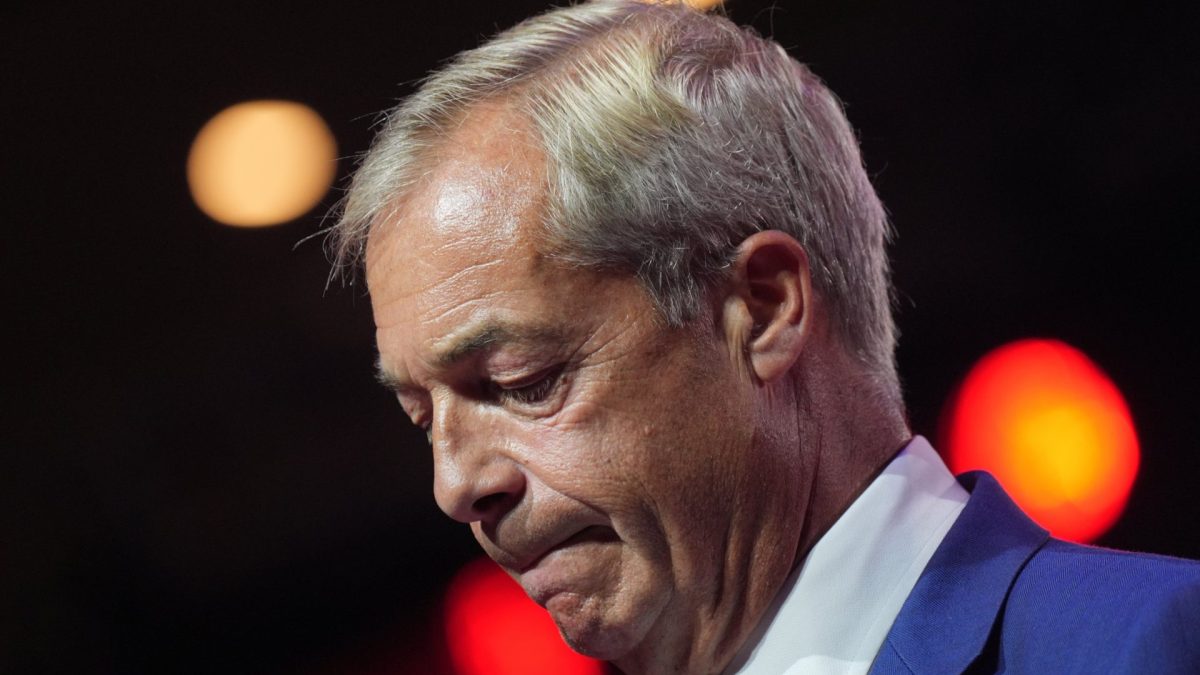
Farage’s personal approval rating falls to lowest since becoming Reform leader
Full Article
Original Source
Read the full article at Inews →KhanList aggregates and links to publicly available news content. We do not host full articles from third-party sources. Always verify important information with original sources.