
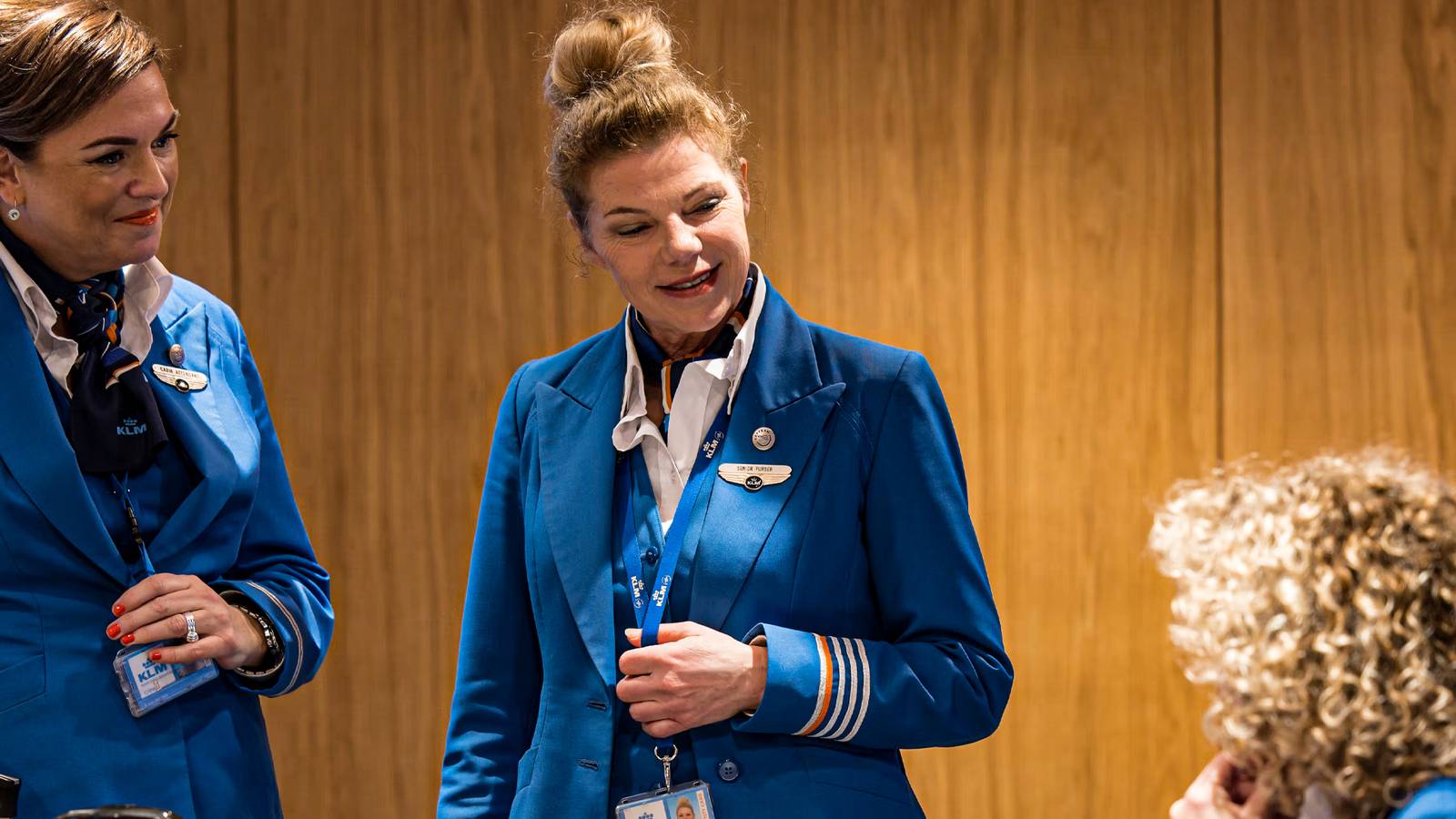
Published Aug 27, 2026, 9:00 AM EDT Writer - Patricia joins Simple Flying with over 20 years of experience in aviation. She has served as cabin crew on flights from economy-class through to first-class and on private jets as well as being head of cabin crew and cabin safety focal point. Patricia has a master's level postgraduate diploma in Human Factors in Aviation and has written about aviation since 2010. Based in Dubai/Cyprus. Flight attendants and Cabin Crew have long been the face of the airlines and are expected to have high standards of presentation. This is partly for safety reasons and compliance, but also for professional discipline. It is also important for brand identity, so that the uniform often becomes synonymous with the airline. For example, the Emirates red hat with cream scarf, beige suit and Singapore Airlines iconic kebaya are among the most famous airline uniforms and have not changed for many years due to their popularity. There are very strict grooming guidelines for all cabin crew, as a rule. These are set right from the start, even before an assessment day for potential crew, including weight in proportion to height, no visible scars or tattoos, and only one set of ear piercings. Personal presentation is assessed from day one, and professional grooming guidelines are set as standards that cannot be broken at any time. Airlines often have uniform standards for crew, and some offer specialized training in appearance and grooming. These standards were there right from the start of the flight attendant role, but has anything changed? A Step Back In Time The first female flight attendants were introduced in 1930 by Ellen Church, a registered nurse with a pilot's license who was not allowed to fly. She persuaded Boeing Air Transport to allow her onboard to calm anxious passengers and slowly introduced the concept of the flight attendant. Uniforms were mostly those of nurses with military-inspired touches in the early years, and grooming was conservative and subtle. In the 1940s and 1950s, glamour was introduced into aviation. Stewardesses, as they were known, had to be under 27, single, and meet strict height and weight requirements. They had to look perfectly polished at all times and were weighed prior to every flight. Uniforms were smart, elegant, and stylish, often with white gloves and a pillbox hat. High heels were worn with stockings. Hair was coiffed or bobbed. Makeup was matte, and red lipstick was favored. This was a time when makeup brands and designers began working with airlines to help shape their professional image. In the 1960s and 70s, the workforce was still mostly female, uniforms became brighter, shorter, and more revealing, and often heavily sexualized. Changes in discrimination laws and societal shifts, along with male flight attendants joining airlines, led uniforms to shift again to a more relaxed look, with tunics and pants. The 1980s and 1990s saw a more professional business look with smart suits and a more tailored style that suited the name change from the original 'stewardess' to 'flight attendant' or 'cabin crew'. Have Things Really Changed? Credit: Alaska Airlines There has been a transition in recent years toward gender neutrality, worker comfort, and inclusivity. Airlines have historically forced crew to cover body art with thick makeup or long sleeves. Carriers like United Airlines, Virgin Atlantic, and Air New Zealand now allow visible, non-offensive tattoos on the arms and legs. The once-mandatory requirement for female crew to wear heavy cosmetics has been dropped by multiple European carriers, permitting an entirely natural face on duty. Modern guidelines allow staff to choose any combination from the uniform collection. Virgin Atlantic completely eliminated traditional "male" and "female" uniform categories, shifting to employee-preferred trousers and skirts. Alaska Airlines permits employees to wear any uniform piece they feel comfortable in, regardless of gender identity, often complemented by optional pronoun badges. Tunic and hijab options are now standard inclusions in major design rollouts, ensuring religious and personal beliefs are seamlessly integrated into airline branding. Ukraine's SkyUp Airlines and Virgin Atlantic led a shift permitting comfortable sneakers and flat shoes as standard uniform options. Carriers like SAS Scandinavian Airlines, Japan Airlines and Korean Air have either fully adopted or are testing sneakers to reduce physical strain during long flights, according to SAS. Airlines like United Airlines modernized their standards to allow natural makeup, hair down, and nail polish for all crew members, entirely removing gender markers from grooming manuals. Wearing A Uniform Credit: Emirates Despite some changes, many airlines have still maintained their old, conservative uniform standards. Uniforms must be clean, pressed, and tailored to each individual. Skirts must sit 1.5 inches (3.81 cm) above the knee so they sit on the knee when standing and do not rise too high when seated. Hats (if worn) are usually worn on the ground and during embarkation. When the aircraft leaves the gate, the hats get stowed. Whilst worn, they must sit two fingers above the eyebrow. If it has a scarf attached, it has to be folded and worn in a very specific way. For female cabin crew, there are two pairs of shoes, one for on the ground and one for on the aircraft. The ground shoes must have a block heel and a height of between 1.5 and 3 inches (3.81 and 7.62 cm). Cabin shoes have a heel size of under an inch. All shoes must be closed-toe, have a solid heel that is stable in turbulence, be a classic style, and be the specified color. Shoes must be kept clean and shiny at all times. Scarves and ties must be worn so that the crew is easily identified; different colors often indicate different ranks. Tie pins, wings, and name badges must all be worn in the prescribed manner in the same position. Women also wear stockings, but they must be matte and complement their skin color. Crew are expected to stay the same size during their time with the airline. A new uniform will not be issued if someone gains or loses weight. Grooming Standards Credit: British Airways Long hair must be tied back or secured neatly in an approved style, such as a tight bun or French twist, and hair color must be natural with no regrowth. No stray hairs are allowed. Men must typically be clean-shaven or maintain closely trimmed facial hair that does not interfere with the seal of an emergency oxygen mask. Nails must be kept short and clean to prevent tearing emergency evacuation slides or medical gloves. Nail polish is often restricted to clear, neutral tones or classic shades like red, with zero tolerance for chips or complex nail art. Makeup must follow conservative, approved color palettes that complement the company uniform. Lipstick colors are often shades of red, as recommended by the airline, and brands are often recommended as well. Many airlines have manuals on uniform standards and often provide grooming and appearance training to ensure crew represents their brand to the highest standard. Fragrance may be worn but must be soft and fresh and not strong so that it would not irritate in an enclosed space. Visible tattoos while in uniform are prohibited by many legacy and international carriers, though policies vary. Body piercings (beyond simple earlobe piercings for women) are generally forbidden. Jewelry is limited to minimal items, such as one plain ring and a simple wristwatch, which is essential for timekeeping and safety. Earrings must be either small clear studs or pearls. No other jewelry is permitted. Normal Practice Credit: Qatar Airways Uniform standards are monitored as soon as a flight attendant reports for their flight. Some airlines have uniform supervisors that will actually check the appearance of crew members. They can be reported and removed from their flight, which could result in a warning and potentially losing your job. This could be by wearing your skirt one inch too short or by wearing the wrong color of lipstick. The senior crew member also monitors crew appearance during the preflight briefing. Whilst on duty, flight attendants still have to keep up their appearance onboard at all times, even during a twelve-hour long-haul flight. All flight attendants carry items in their bag, enabling them to freshen up during a flight. This may include face mist, toothbrush and toothpaste, fragrance and makeup. Flight attendants must always keep up high standards of appearance. One ex-flight attendant who worked for Ukraine International Airlines for ten years describes her struggles with the exacting standards at Business Insider. Crew at Qatar Airways also listed the strict appearance rules they have to follow, in accordance with keeping the airline's professional and luxurious image. In Conclusion Airlines' grooming standards may seem excessive to some, given the strict, precise regulations set in stone. The truth is that not much has really changed over the years. There are still strict grooming and uniform standards at many airlines. It is expected, as flight attendants represent the airline and are ambassadors, so it's still important and just considered part of the job to maintain high image standards. Some would say that such strict rules are necessary, while others would argue they are outdated, although some things have changed. A few airlines have changed their policies to allow tattoos, and flat shoes can be worn instead of the usual high heels. Other airlines changed their policies on hair and makeup. Now, flight attendants have less focus on gender-based uniform and presentation standards, and uniforms are designed to be more comfortable. In another sense, one could argue that the image of the flight attendant remains essential to the airline's brand. Although these guidelines are often strict and unforgiving, they show professionalism and the discipline required to work as a flight attendant. It also sets a high standard for personal appearance and requires resilience, another important skill for cabin crew. Although we have seen some changes since the early days of aviation and the strict requirements, for many airlines not much has changed at all.
Faces Of The Airline: The Strict Beauty Rules Flight Attendants Formerly Had No Choice But To Follow
Full Article
Original Source
Read the full article at Simpleflying →KhanList aggregates and links to publicly available news content. We do not host full articles from third-party sources. Always verify important information with original sources.