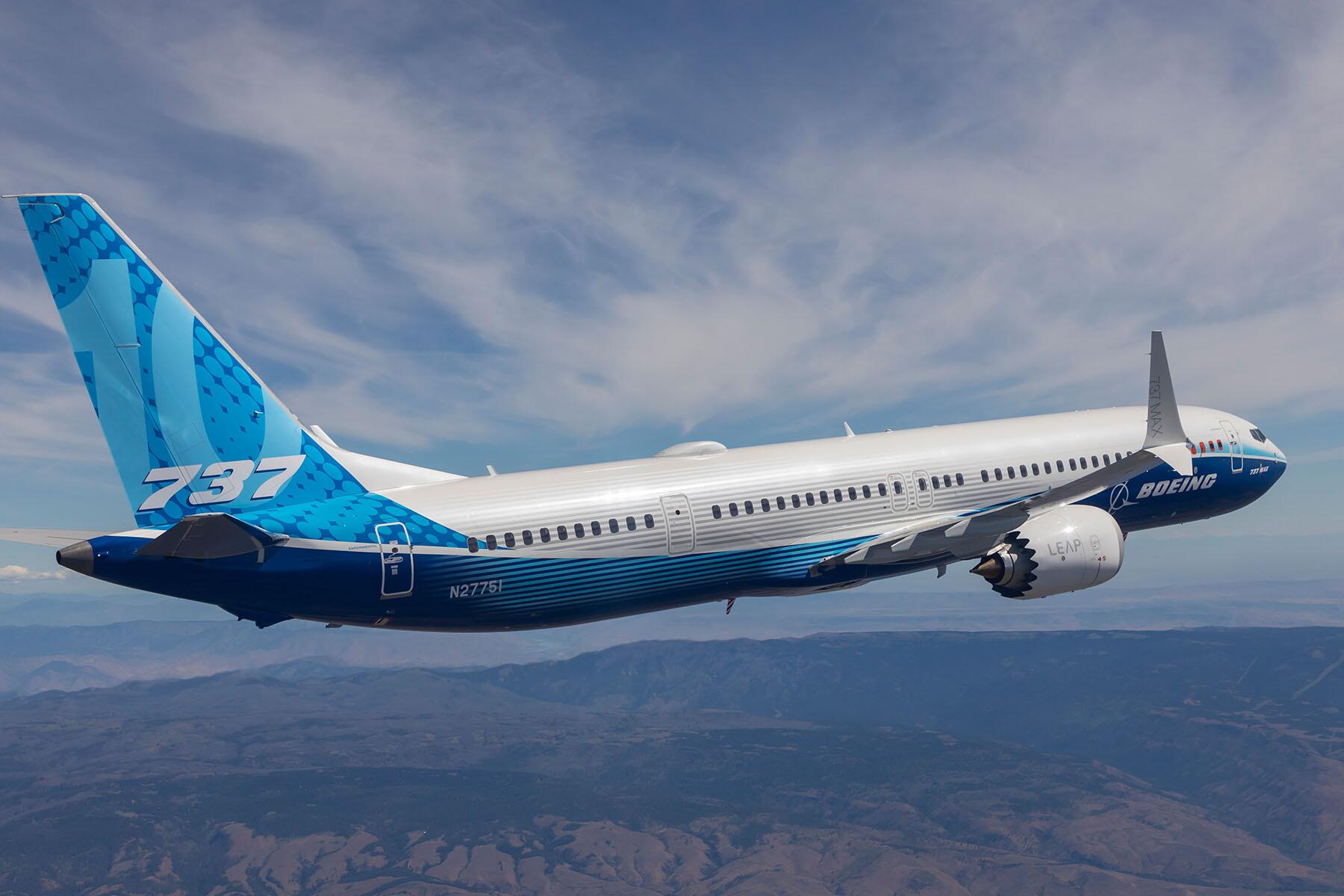
The FAA has proposed inspections for hundreds of Boeing 737 MAX aircraft over improperly installed seats. Here's why the issue is less alarming than it sounds.The FAA has issued a proposed rulemaking to adopt a new Airworthiness Directive (AD) for certain Boeing 737 MAX aircraft that have seats that were not properly installed in the seat tracks fitted on the floor of the aircraft cabin. The AD, if adopted, would require airlines to inspect and correct the seats on the affected aircraft.The FAA expects that the AD would affect 453 U.S.-registered Boeing aircraft. Figures for aircraft registered outside the US were not available because the FAA does not have jurisdiction over repair and maintenance for foreign-registered planes. The figure represents just over half of the 823 Boeing 737 MAX aircraft registered in the United States. There are some 2,300 of the aircraft flying worldwide. It’s worth noting that the proposed AD follows a maintenance bulletin issued by Boeing in December 2025, recommended similar inspections and fixes for the same issue. The maintenance bulletins are manufacturer recommendations, which many airlines may have already voluntarily implemented. Adopting the maintenance bulletin as an airworthiness directive would legally require airlines to made the inspections and implement a fix by a prescribed date. Continue Reading Article After Our Video Recommended Fodor’s Video The FAA estimates the total cost of the fix to US aircraft at $2.7 million, although it also notes that some of the fixes may be covered by warranties, in which case the costs would be borne by Boeing, rather than the airline operator.The safety issue lies in how the seats are secured to the floor of the aircraft. While they’re secure during normal aircraft operation, an increase in airframe stress such as that during turbulence, harder-than-normal landings, or emergency situations could cause the seats to come off their tracks, which would cause injury to passengers and crew or impede access to an exit during an aircraft evacuation, increasing the risk for significant injury or loss of life. Modern airline seats are currently rated to withstand significant G forces after seat failures on a British Midland 737 accident in 1989 and an Avianca crash in 1990 resulted in increased injuries and slower evacuations. After those crashes, regulators required airline seats be designed and manufactured to carry great force loads. It’s also worth noting that the proposed AD addresses inspections for a defect in manufacturing—a subset of aircraft seats that don’t meet current standards, rather than a change to the safety standards themselves. The proposed AD does not outline by what date airlines would need to address the issue if it is adopted. The proposed inspections and fixes are not particularly time-consuming and could be performed in a few hours. The Boeing 737 MAX is the latest incarnation of the Boeing 737—the world’s bestselling commercial airliner. Introduced in 2017, the type was grounded by the FAA and several other aviation regulators around the world after two fatal crashes involving the airliners’ new MCAS flight control system. The grounding lasted 20 months in the United States; flights resumed after Boeing made software and training changes. In the aftermath of the grounding, Boeing was criticized for mismanagement of the program, and cutting corners to deliver on promises made to airlines about lower conversion training requirements for pilots on existing 737s. The FAA was criticized for allowing Boeing to self-certify the aircraft with little regulatory oversight. Many major North American airlines operate the Boeing 737 MAX, including American, United, Southwest, Alaska, Air Canada, and WestJet. The Boeing 737 MAX is a refinement of a design that first entered service in 1968. Boeing has produced more than 12,500 Boeing 737s of all variants—7,876 are currently active in the world’s airline fleets.
FAA Warns Seats May Not Be Secure on Boeing 737 MAX Jets
Full Article
Original Source
Read the full article at Fodors →KhanList aggregates and links to publicly available news content. We do not host full articles from third-party sources. Always verify important information with original sources.