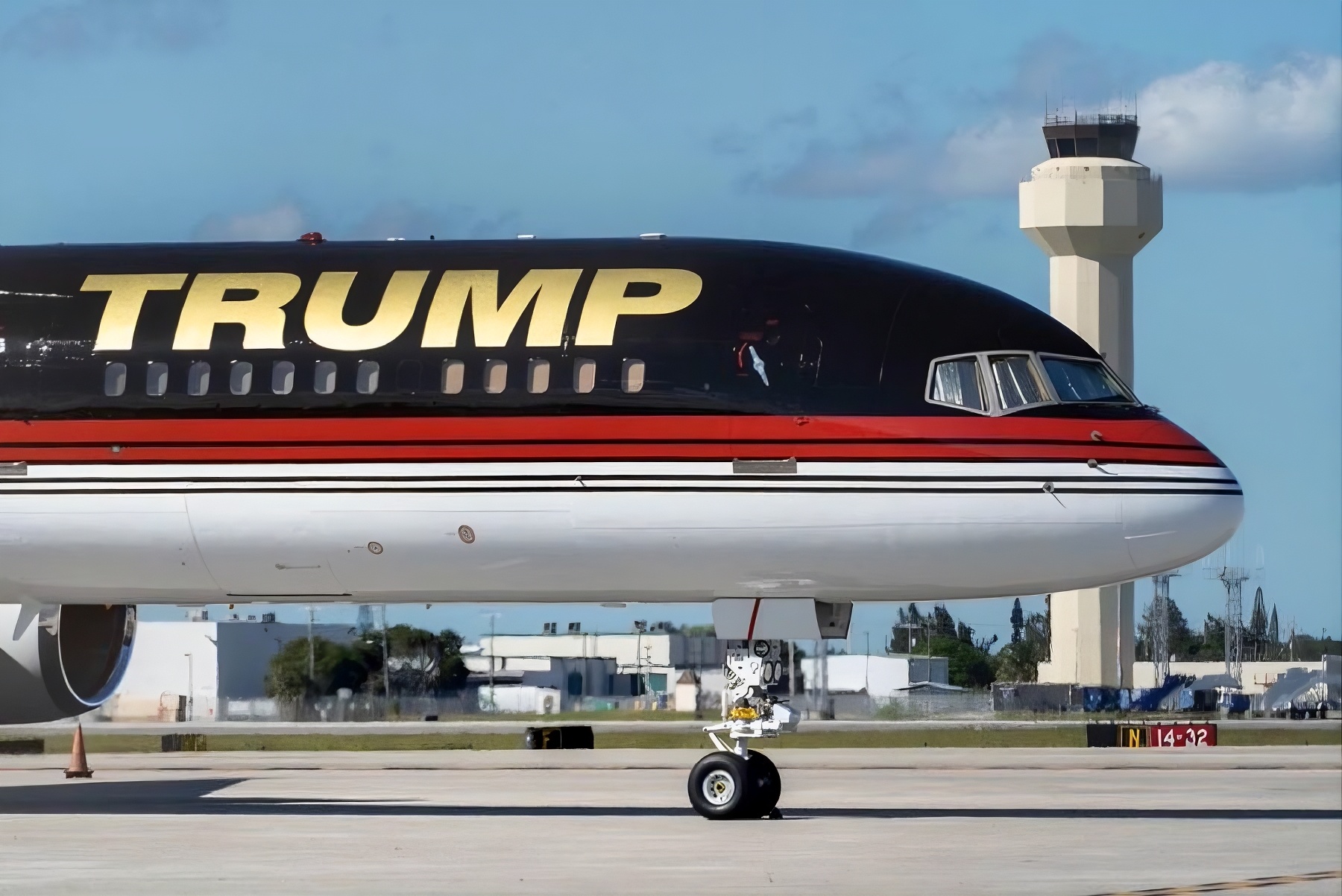
The Trump Administration has created a permanent restriction against flying over Trump Tower that goes into effect October 29. It will remain in place even after the President leaves office. The FAA will prohibit flight within about one nautical mile of Trump Tower from the surface to 1,000 feet in the air. Entry requires Secret Service permission, not merely air traffic control authorization. This is basically the same temporary zone the FAA has maintained through a temporary Special Security Instruction since October 20, 2025. But it will now appear permanently on aeronautical charts. Explicit Secret Service permission, rather than compliance with specified air traffic control procedures, becomes formally required. It no longer requires annual renewal. The restriction primarily primarily matters for helicopters and drones, since ordinary aircraft won’t fly low enough to enter this airspace. It’s generally police helicopters and air ambulances flying there. The formal Secret Service request cited “adverse threat intelligence,” its continuing protective mission and risk of unauthorized aircraft. Interestingly, it appears that the current published Trump Tower SSI restriction expires October 20, while this doesn’t go into effect until October 29, so there’s currently scheduled to be a nine day gap where overflight is permitted. I’d expect there will be a nine-day bridging extension of the current restriction (that if I noticed this, someone in authority will also). This Is The Ninth FAA Part 73 Prohibited Area Here are the similar prohibited areas. Area Protected location P-40 Camp David, Maryland P-47 Pantex nuclear-weapons plant, Texas P-49 George W. Bush’s Crawford ranch P-50 Naval Submarine Base Kings Bay, Georgia P-51 Naval Base Kitsap/Bangor, Washington P-56 White House, Capitol/National Mall and vice president’s residence P-67 Bush family compound at Walker’s Point, Kennebunkport P-73 Mount Vernon P-75 Trump Tower, effective October 29 These aren’t the only areas of restricted airspace, of course. There are statutory (rather than regulatory) prohibitions over portions of Minnesota’s Boundary Waters wilderness, and hundreds of permanent restricted areas over military ranges, but those aren’t categorical no fly zones. Some Former Presidents Have Received Airspace Protection Richard Nixon received protection over Key Biscayne and over his California residence, but both of those were revoked in September 1974 with his resignation. Jimmy Carter’s Plains, Georgia residence received protection until 1988, seven years after he left office. Ronald Reagan received airspace protection over Pacific Palisades and over his Rancho del Cielo, though both were ultimately revoked with the ranch restriction ending shortly after he left office. A restriction was established over Walker’s Point in Kennebunkport, Maine, where the Bush family compound is location when George H.W. Bush was vice president. It remains active even after his death. Go figure! One plausible explanation is bureaucratic inertia. Meanwhile, the restriction over George W. Bush’s Crawford ranch remains active, but it was was reduced from three miles and 5,000 feet to two miles and 2,000 feet in 2010. There are no comparable restricted areas for the homes of Presidents Clinton, Obama or Biden. Would You Believe Disney Theme Parks Get Protected Airspace? There are two separate permanent restrictions for Disneyland and Disney World. They both extend three nautical miles and to 3,000 feet above ground. And these were established by law in 2003. It appears that lobbying by Disney, rather than any security justification, led to these restrictions. And they eliminate the possibility of any aerial advertising over the theme parks. Then-FAA Administrator Michael Huerta testified that the agency would never have approved them if they hadn’t been legally required to. So Is This A Good Idea? There are real threats against the President. And even if these restricted areas will never stop an attacker, removing background around the President’s New York home means that security officials can simply assume any aircraft or drone in the region is hostile. That simplifies protection. It’s also a narrow rule. It is only one mile and 1,000 feet above ground, it preserves the East River helicopter route, and it avoids normal aircraft flying. But that’s a case for putting this in place while Trump is President (as it has been in place already), it is not a case for imposing the rule until it is formally withdrawn by regulatory action. A Permanent Airspace Restriction Over Trump Tower Seems Unwise The FAA has created an open-ended federal privilege for private commercial property. It won’t sunset even if Trump stops living there (e.g. sells the property, passes away). It makes the property itself more valuable because it’s legally protected from helicopter noise. According to the FAA’s own regulatory filing there’s really no difference in practice between this rule and the existing security directive, except for permanence. Similar permanent airspace was not deemed necessary for Presidents Clinton, Obama or Biden despite security risks. It seems like a restriction around where the President is located can be reasonable, but removing any sunset or required review of the restriction once his presidency ends is unwise. (HT: Pete Muntean) Topics on this page
FAA Grants Trump Tower Permanent No-Fly Zone — Even After Trump Leaves Office
Full Article
Original Source
Read the full article at Viewfromthewing →KhanList aggregates and links to publicly available news content. We do not host full articles from third-party sources. Always verify important information with original sources.