
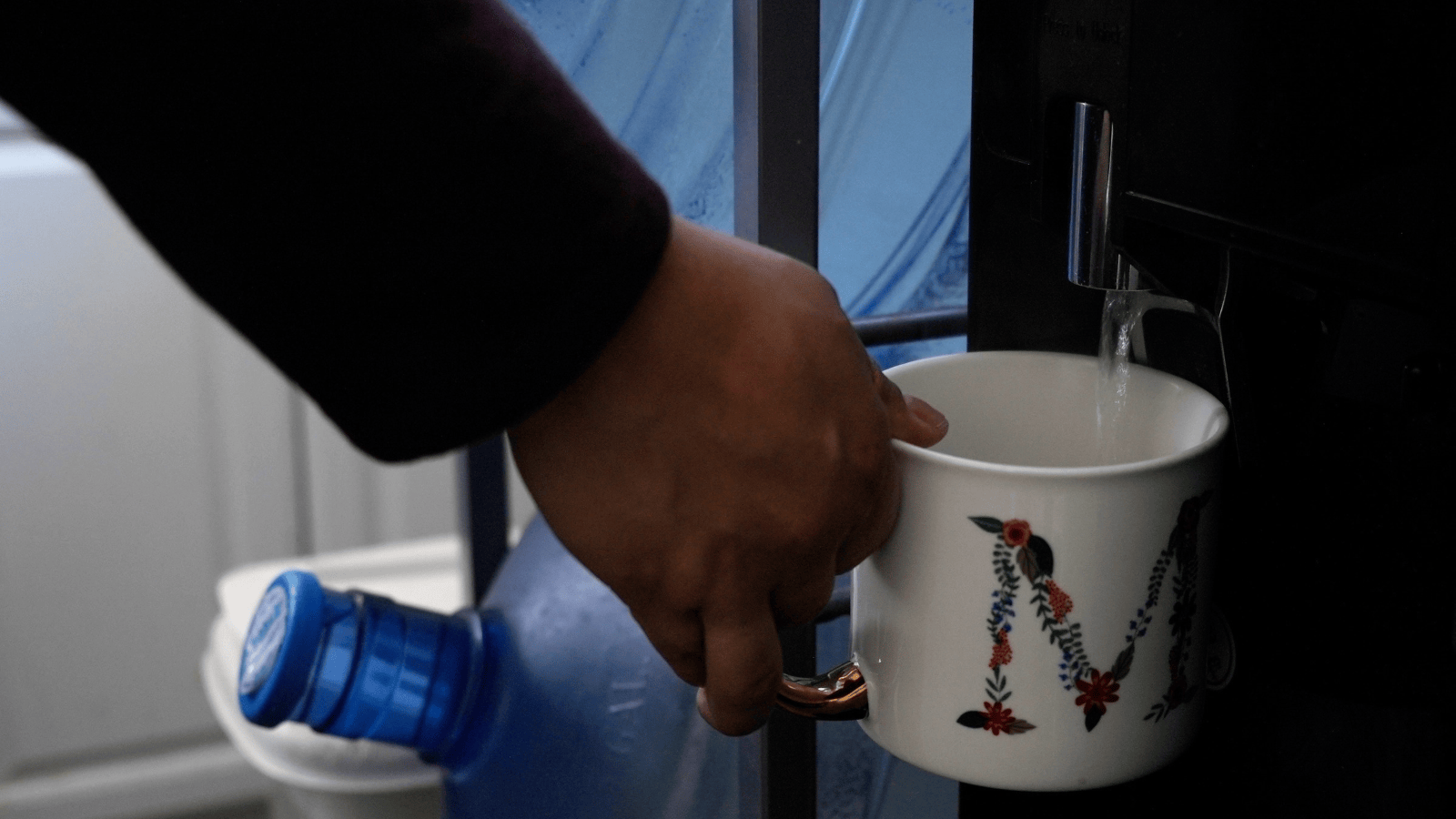
(Image credit: AP Photo / Brittany Peterson) Transcript: In the U.S., most people take for granted that when they turn on the tap, clean drinking water will come out. But climate change poses threats to municipal drinking water systems. Lyle: “This isn’t just a problem in the West with drought. It’s a problem across the country, and every location and utility needs to understand how their specific hazards are changing.” Zia Lyle, a postdoctoral research associate at the University of North Carolina, analyzed water utilities across the U.S. She found that by 2050, worsening climate hazards could affect system reliability for about half of them. Lyle: “Wildfires that can burn parts of the system, or extreme heat that can just degrade different pipes or storage capacity pumps.” In coastal areas, rising seas can cause saltwater to enter the water supply. And floodwaters can damage water mains and pipes and overwhelm treatment plants. For example, in 2022, flooding in Jackson, Mississippi, left some areas under boil-water advisories for more than a month. Lyle says utilities need to assess their risks and plan ways to adapt. For example, they may need to improve flood protection or water treatment processes. So people can continue to count on safe drinking water when they turn on the tap. Reporting credit: Sarah Kennedy / ChavoBart Digital Media
Extreme weather could threaten half of U.S. drinking water systems
Full Article
Original Source
Read the full article at Yaleclimateconnections →KhanList aggregates and links to publicly available news content. We do not host full articles from third-party sources. Always verify important information with original sources.