
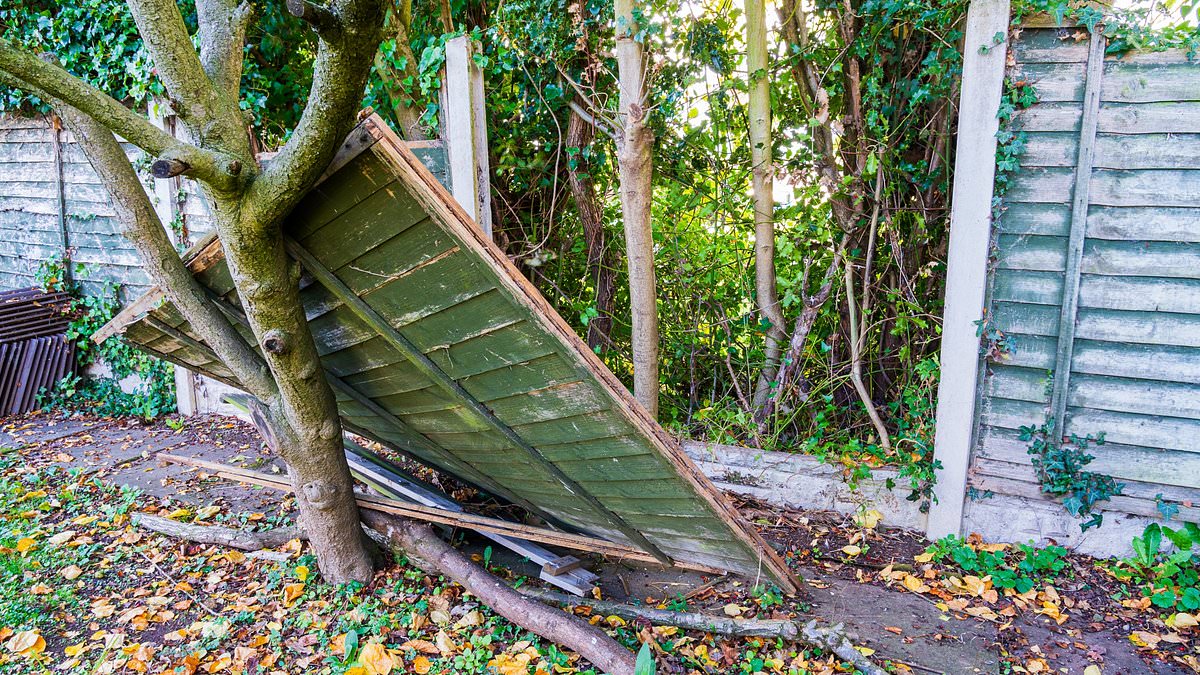
Daily Mail journalists select and curate the products that feature on our site. If you make a purchase via links on this page we will earn commission - learn moreFollowing a weekend of 80mph winds and incessant rainfall due to Storm Boelo, many Britons' will now be facing a decimated garden in desperate need of care. The Met Office issued a flurry of weather alerts including amber warnings on Saturday night, while an estimated 160,000 homes across the country were left without power and Britons battled winds of up to 85mph. But the extreme conditions are not set to subside just yet, with the third named storm of the season potentially on the horizon.The Met Office predicts that rain will once again 'sweep across the north-east' of Britain on Monday, while Tuesday will remain 'windy with rain'.So, with the UK officially in the midst of storm season, how can you best care for your garden to ensure your beloved plants stand the best chance of survival?When it comes to battling the elements, homeowners bear the responsibility of protecting their property; particularly in the garden, where lawns, fencing, sheds and patio furniture are directly exposed to and easily damaged in unforgiving weather.Fortunately, as Britons try to recover from the intense impacts of two storms in just 24 hours, Chris Moorehouse, Category Director at Wickes, has offered expert advice on how to shield your garden from the intense wind and rain.He also encourages homeowners to invest in useful products designed to provide that bit more security. Read on to discover how to fortify your garden as the extreme weather continues... Following a weekend of 80mph winds and incessant rainfall due to Storm Boelo and Storm Austen, many Britons' will now be facing a decimated garden in need of urgent care The Met Office issued a flurry of weather alerts including amber warnings on Saturday night, while an estimated 160,000 homes across the country were left without power and Britons battled winds of up to 85mphProtect your garden fences and outdoor structures from further strong windsChris said: 'With storm season approaching, strong winds and prolonged damp conditions can cause significant damage to garden fences, sheds and other outdoor structures.'Garden fences are particularly vulnerable during gale-force winds, and replacing damaged panels or posts can quickly become expensive.'According to the expert, it's worth checking fences for loose panels, weakened posts, and signs of rot.Securing any loose sections and repairing existing wear and tear can also help outdoor structures withstand strong gusts.He added: 'One simple and affordable way to help reinforce outdoor timber structures is by using Wickes Heavy Duty Stainless Steel Cable Ties (£6).'These can help secure fence panels, gates and posts, providing additional support when bad weather hits.'The ties feature a self-locking mechanism for quick and easy fitting, without the need for extra fasteners, and have smooth edges for safer handling.'Prevent further blockage to drains and your soil Heavy rain can increase the risk of water damage, particularly when gutters become clogged with leaves, moss and other debris.If rainwater cannot drain away properly, it can overflow onto exterior walls and collect around the base of a property, potentially causing further problems.Chris added: 'Keeping gutters clear and functional ahead of storm season is a simple step that can help homeowners avoid preventable water damage during periods of wet weather.'One affordable preventative measure is installing a gutter protection system to help keep rainwater flowing properly.'He further advised: 'The Wickes FloPlast FloGuard Leaf Protection System (£10.50) is designed to prevent leaves, moss and debris from clogging gutters, helping reduce the likelihood of overflow during heavy rainfall.'Michael Dumanski, Principal Landscape Architect at North Hill Gardens, added: 'Heavy rainfall after a prolonged dry spell can cause problems if the soil becomes waterlogged, as excess moisture can deprive roots of the oxygen they need to function properly.'Excessive rainfall can also damage soil structure, causing compaction, erosion and nutrient leaching. When soil becomes waterlogged, roots can struggle to access oxygen, affecting their ability to absorb the nutrients plants need to survive and thrive.'Before the next storm, check your garden's drainage. Ensure gutters, drains and other water outlets are clear of leaves and debris so that water can flow away freely.'Keep a close eye on downpipes and seals as the rainfall continuesAccording to Chris, gutters are only part of the equation when it comes to managing rainwater.Downpipes should also be checked for blockages, leaks or loose fittings to ensure water is carried safely away from the property, rather than spilling down exterior walls or pooling near foundations.It's also worth inspecting roof and gutter joints for cracks or deteriorating seals, as even small gaps can allow water to escape where it shouldn't.Chris added: 'Small, affordable fixes can make a difference when preparing outdoor areas for extreme weather. For example, Wickes Roof and Gutter Sealant (£3.30) offers a low-cost way to help maintain watertight seals.'The expert further states that being on top of minor maintenance issues before heavy rainfall arrives can help prevent avoidable water damage and reduce the likelihood of more expensive repairs later on.Mulch your garden and take extra care of delicate foliage Michael explained that mulching is an essential step for caring for your garden after a storm.He said: 'Applying a layer of organic matter, such as well-rotted manure or compost, can help protect the soil structure, improve its condition and support moisture regulation over time. 'However, mulch will not absorb all excess rainfall, so good drainage remains essential.'He added that 'it is important to protect plants that are particularly vulnerable to heavy rain and strong winds'.Michael explained: 'Those with delicate foliage, such as roses, peonies and some herbaceous perennials, are more susceptible to damage. Heavy rainfall can weigh down flowers and foliage, potentially causing stems to bend or break.'Move potted plants with delicate foliage to a sheltered position where possible. This can help protect them from heavy rain and strong winds, reducing the risk of damaged leaves, broken stems and overturned pots.'Aerating the soil can help improve drainage and reduce compaction, particularly in areas where water has pooled. You could also consider feeding your lawn to replenish nutrients that may have been washed away by heavy rainfall.'
Experts reveal how to recover your garden after Storm Boelo wreaked havoc across Britain- from repairing your fences and drains to which plants need urgent care
Full Article
Original Source
Read the full article at Dailymail →KhanList aggregates and links to publicly available news content. We do not host full articles from third-party sources. Always verify important information with original sources.