
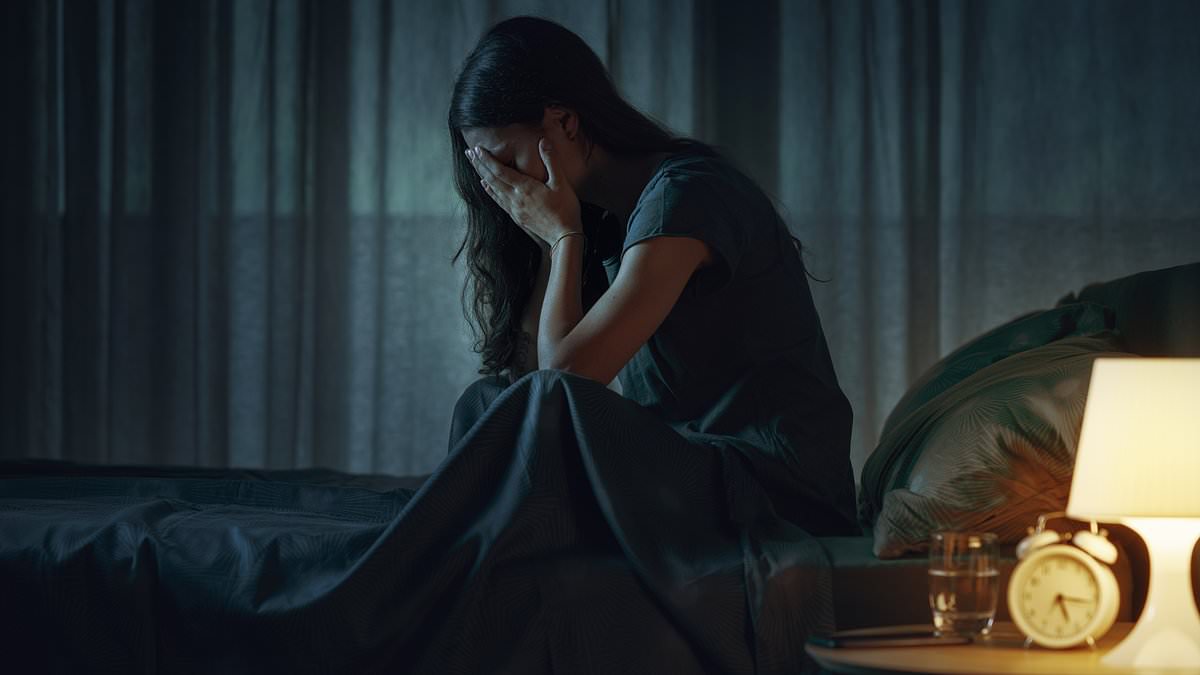
Published: 19:01 EDT, 20 October 2026 | Updated: 19:16 EDT, 20 October 2026 Patients who don't respond to traditional antidepressants may have a severe subtype of depression driven by a disrupted internal body clock, scientists have suggested.Australian researchers have coined the term 'circadian depression' to describe a condition affecting up to a quarter of patients whose symptoms are linked to problems with sleep and wakefulness.The phenomenon may explain why two in five patients don't see a benefit from traditional antidepressant medication, the scientists suggest. Instead, treatments that target improving sleep such as the hormone melatonin could be far more effective at relieving symptoms.It comes as the number of people in England taking antidepressants reach record highs - with one in seven adults prescribed the drugs last year. Last week, health chiefs issued a new safety alert warning that antidepressants could cause long-lasting sexual side effects and suicidal thoughts long after treatment has stopped. 'Depression is not a uniform illness and understanding the characteristics of different subtypes means we can give people earlier access to treatments that will be most effective for them,' Dr Emiliana Tonini, mental health researcher at the University of Sydney and the study's lead author said. The findings – published in the British Journal of Psychiatry – were based on data from more than 11,000 participants in the Australian Genetics of Depression Study.Of these, 2,604 – nearly 25 per cent – were identified as having circadian depression. The subtype was characterised by seasonal patterns of illness, excessive sleep during depressive episodes, persistent fatigue and a tendency to be a 'night owl' - meaning they were active at night time.Researchers also found these patients were more likely to develop depression at a younger age and experience more severe symptoms, including mania and suicidal thoughts. Genetic analysis suggested they were also at increased risk of heart disease, inflammatory conditions and neurodevelopmental disorders such as ADHD. Dr Jacob Crouse, study co-author, said: 'Because circadian depression is linked to people's internal body clock, treatments targeting the circadian rhythm, such as light therapy and melatonin, may be much more relevant and should be used much earlier in these patients. 'For those who find that antidepressants are not working for them, it is important to speak to your clinician for advice about your individual circumstances.' Professor Ian Hickie, a clinical psychiatrist at Sydney university's Brain and Mind Centre, added that recognising circadian depression in young people is particularly important. He said: 'Most young people will be offered SSRIs first up, but for at least a quarter there are better circadian-focused medical and behavioral options to help treat and manage their condition.' This includes cognitive behavioural therapy which aims to break negative patterns of thinking and behaviour that can keep people trapped in depression. Melatonin, meanwhile, is a hormone naturally produced by the brain in response to darkness which nudges the body into 'night mode'.As a result, experts say synthetic forms of the hormone alongside light therapy may be particularly beneficial for restoring disrupted sleep patterns. However, researchers not involved in the current study have cast doubt over the findings.'Depressed patients present with a variety of different symptoms and selecting some who report particular symptoms does not mean that one has identified a new subtype of depression,' Professor David Curtis, an expert in genetics at University College London said.'The term circadian is also misleading. Some typical features of depression are circadian in nature, including early morning waking and having worse moods in the morning.'Others said that, while the findings are not yet sufficient to justify changes to prescribing practice, they reinforce the importance of assessing the role of sleep-wake patterns in mood disorders.
Experts discover new type of depression that doesn't respond to pills - but there's a less risky fix
Full Article
Original Source
Read the full article at Dailymail →KhanList aggregates and links to publicly available news content. We do not host full articles from third-party sources. Always verify important information with original sources.