
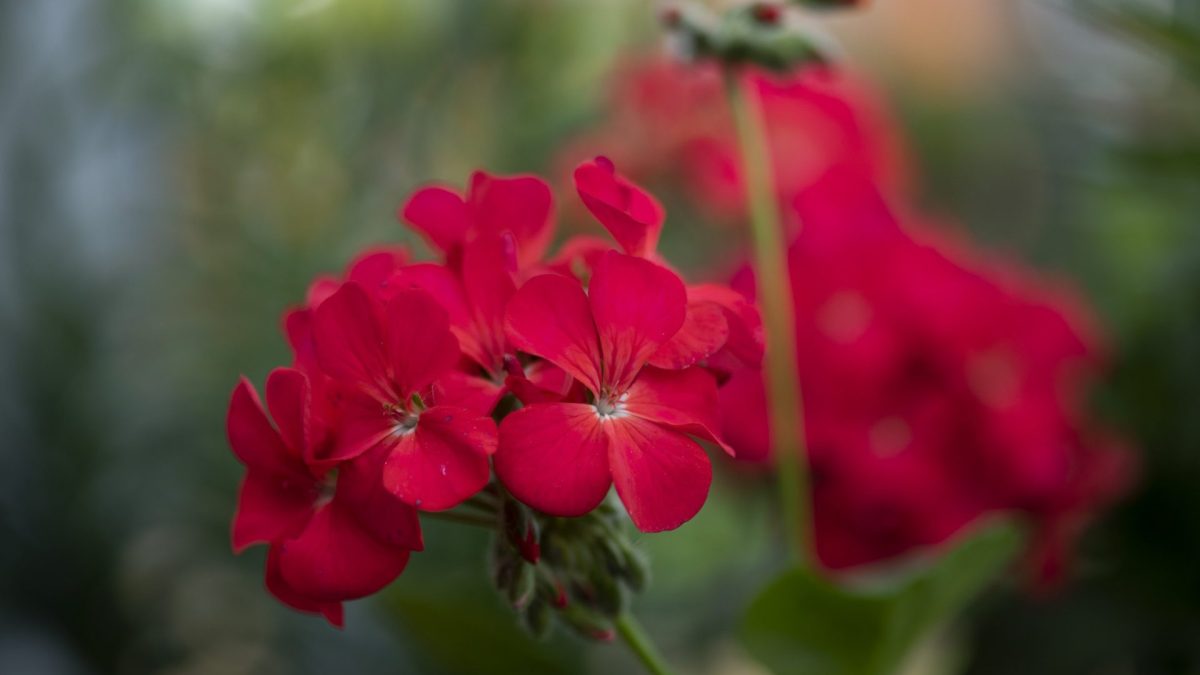
This is the peak time to enjoy your garden, with heat-loving plants including pelargoniums, cannas and lantanas (right) flowering freely with little water. However, there are some things to consider now to get good results in 2027. People are currently buying fewer plants, according to garden centres. Once the drought lifts, there may be a surge in plant sales. Nurseries have difficulty in keeping plants adequately watered and some plants just won’t grow in the heat, so there may be fewer plants in fewer sizes for sale. If there are plants you want, consider ordering them now for winter delivery. Winter delivery is ideal, but of course you cannot see the plants in flower to assess their colour and form. Where you must have them in flower now, plant in a hole filled with water and allowed to drain three times, before planting, firming and watering – this should get them established safely. Shorts If plants have died and gaps have formed, be ready to sow annual seeds next month to cover the ground and flower next summer, until more permanent replacements have grown. Calendulas, cornflowers, larkspur and nigella are economical and easy choices. Now is also time to collect annual seeds from your garden. Holland has also been hot and very dry, but so far there are no reports of bulb shortages, so autumn bulb planting should be unaffected (once the soil is soft enough to get a trowel in). Early ordering is advisable. Most bulbs do best from September planting, although planting until December usually does well enough. Few snails and fewer slugs is a benefit of a droughty summer, but weeds manage to cling to life on bare soil or hide among watered plants. Drought-tolerant fat hen and heat-loving oxalis seem to be prevalent. Weeds benefit wildlife, but if they set seeds, weed problems will arise next year. Collect up weeds now and destroy them. Once rains return, there will be a mighty flush of germinating weeds responding to both water and the high soil nutrient levels found after a dry summer. Nettle germination is especially promoted by soil nitrogen. These weeds won’t grow fast in autumn weather and can be eliminated before spring. Containers will gradually come to an end in the next two months. You can stretch out their useful life by liquid feeding and deadheading, but the time will come when they are no longer viable. As plant raisers may have had difficulties due to hot weather, early buying of wallflowers, pansies and other winter container plants is probably wise. Early planting will also ensure strong plants before duller autumn days. Nigella hispanica ‘African Bride’ at Barnsdale Gardens, Rutland (Photo: RHS/Tim Sandall) Potting compost, including growbags, now being peat-free, will have rotted faster than usual in summer containers. In rotting, it loses its structure and can become ill-drained. All the same it should be possible to re-use it by mixing in 25 per cent by volume of fine bark chips and adding a cupful of fertiliser to each bucketful. This is good enough and a substantial saving for big pots and tubs. Adding a 5cm layer of fresh potting compost as a weed-preventing surface layer is a helpful touch. Water butts and tanks are becoming empty and ready to be cleaned out ahead of winter rain. Space permitting, more water storage seems attractive. Tank suppliers offer online calculators to work out how much water your roofs can yield and how much new butt and tank capacity you could plan for. @GuyBarter The RHS is a charity inspiring everyone to grow via its research, advisory, outreach, shows and gardens. For more information, visit: rhs.org.uk
Everything you need to do now for a healthy garden in 2027
Full Article
Original Source
Read the full article at Inews →KhanList aggregates and links to publicly available news content. We do not host full articles from third-party sources. Always verify important information with original sources.