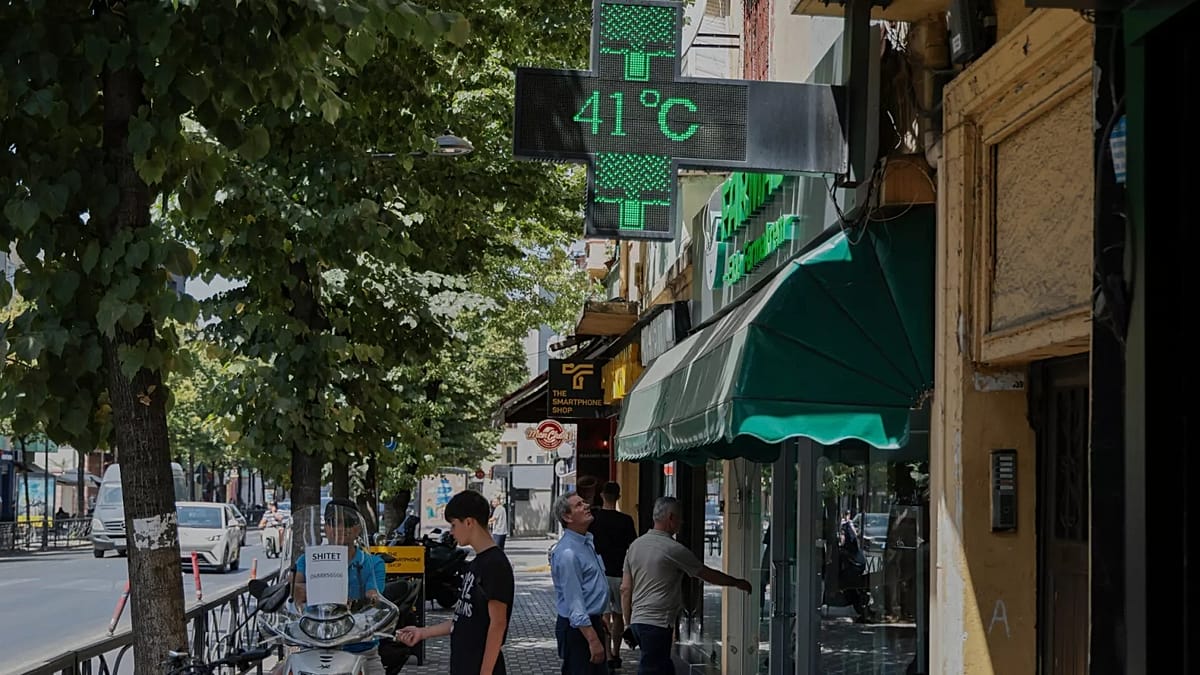
The risk of infectious diseases is growing amid longer and warmer summers across Europe, the European Centre for Disease Prevention and Control (ECDC) has warned. ADVERTISEMENT ADVERTISEMENT Close cooperation across borders and sectors is now vital to effectively predict, prevent and respond to these threats “While the current heatwaves are making headlines, it is the continuously higher temperatures of an ever longer duration that create the conditions for many infections to spread,” the health agency said in a press release. As climate change widens the range of public health threats, the ECDC added, there is a growing need for longer-term strategic collaboration across the human, environmental, and animal sectors. There are four particular areas the ECDC is monitoring: Foodborne diseases These are among the most frequent summer illnesses, with rising temperatures accelerating bacterial growth in food, the agency warned. According to the World Health Organization (WHO), hot and humid weather creates ideal conditions for germs to multiply quickly, making food unsafe – often without any obvious change in its appearance, taste or smell. Good hygiene practices help reduce the risk: washing fruit and vegetables before eating them, keeping raw and cooked food separate, cooking food thoroughly, and storing it at safe temperatures. Mosquitoes Mosquito-borne diseases are becoming more common in Europe, as longer warm and humid seasons allow invasive mosquitoes to thrive in regions where they were previously rare or entirely absent. Diseases such as dengue, chikungunya and West Nile virus are becoming an increasing public health concern in the region. The West Nile transmission season typically runs from late spring to autumn, peaking between July and September, with cases reported this year in Greece, Italy, North Macedonia, Romania and Spain, according to the WHO. Insect repellent, protective clothing and indoor precautions, including window screens, air conditioning or mosquito nets, offer good protection, the ECDC noted. People should also make sure that water does not collect around their homes or in their gardens, as stagnant water can allow mosquitoes to breed. Tick-borne diseases Ticks are another insect commonly associated with summer, found across Europe. Ticks do not cause disease on their own, but infected ticks can transmit viruses or bacteria through their bites, causing illnesses such as tick-borne encephalitis and Lyme disease, which can lead to long-term health complications. Vaccination is also one of the most effective means of preventing tick-borne encephalitis, for which the European region reports an average of 3,000 cases every year. The ECDC recommends wearing long sleeves and long trousers when hiking or spending time in parks, and checking for ticks and removing them after spending time outdoors. Vibriosis Vibrio is a species of waterborne bacteria that thrives in temperate and warm waters with moderate salinity. The bacteria can cause vibriosis in people who are in contaminated waters or eat contaminated seafood. Although Vibrio infections remain relatively rare in Europe, several northern countries bordering the Baltic Sea have reported increases in recent years, noted the ECDC. According to the agency, this has been particularly evident during summers with extended heatwaves and higher water temperatures. Recommendations include avoiding swimming with open cuts, scratches or recent piercings, and making sure that seafood from these areas is well cooked helps reduce the likelihood of infection. The ECDC tracks the bacteria's spread through an interactive map, updated daily with a five-day forecast.
Europe's heatwaves are fuelling infectious diseases, health agency warns
Full Article
Original Source
Read the full article at Euronews →KhanList aggregates and links to publicly available news content. We do not host full articles from third-party sources. Always verify important information with original sources.