
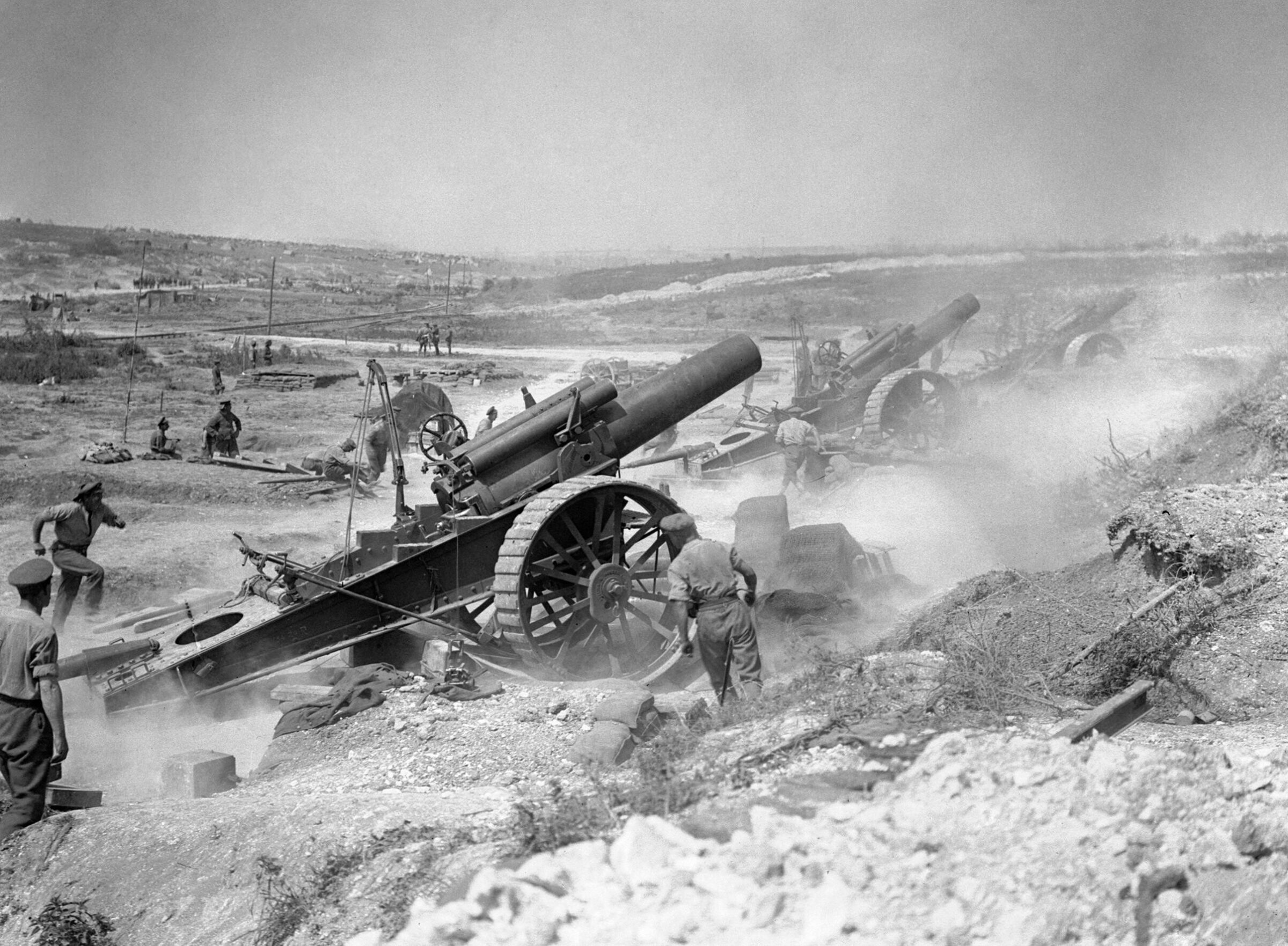
This year, in France, a small book was published with major implications for the future of Europe: Notre déni de guerre [Our Denial of War] written by a military historian, Stéphane Audoin-Rouzeau. Audoin-Rouzeau specialises in a subject that was long regarded a niche field: the First World War. He delves into facts, developments, and societal, political and social undercurrents that are long past and therefore seem of little concern to most people. But according to him, these matters are more relevant to modern Europeans than ever before. The more time passes, the more parallels he sees between the period around the First World War and the times we now live in. With one very significant parallel: the denial that war is drawing nearer. His argument is that Europeans have enjoyed peace for so long that they no longer know what war is. They don’t recognise it, cannot see it coming and therefore don’t know how to avert it. Many have come to believe that if they don’t attack anyone or declare war on anyone, no one will attack them in return – the typical logic of people who have only known peacetime. Europe’s problem, in his view, is that not everyone in the world lives in peacetime, and that others therefore operate according to a different logic – the logic of wartime. To read this story, log in or subscribeEnjoy access to all articles and 25 years of archives, comment and gift articles. Become a subscriber for as low as €1,75 per week.Read without limitsAlready a subscriber? Login
Europe is in denial about war — and that’s how wars start
Full Article
Original Source
Read the full article at Euobserver →KhanList aggregates and links to publicly available news content. We do not host full articles from third-party sources. Always verify important information with original sources.