
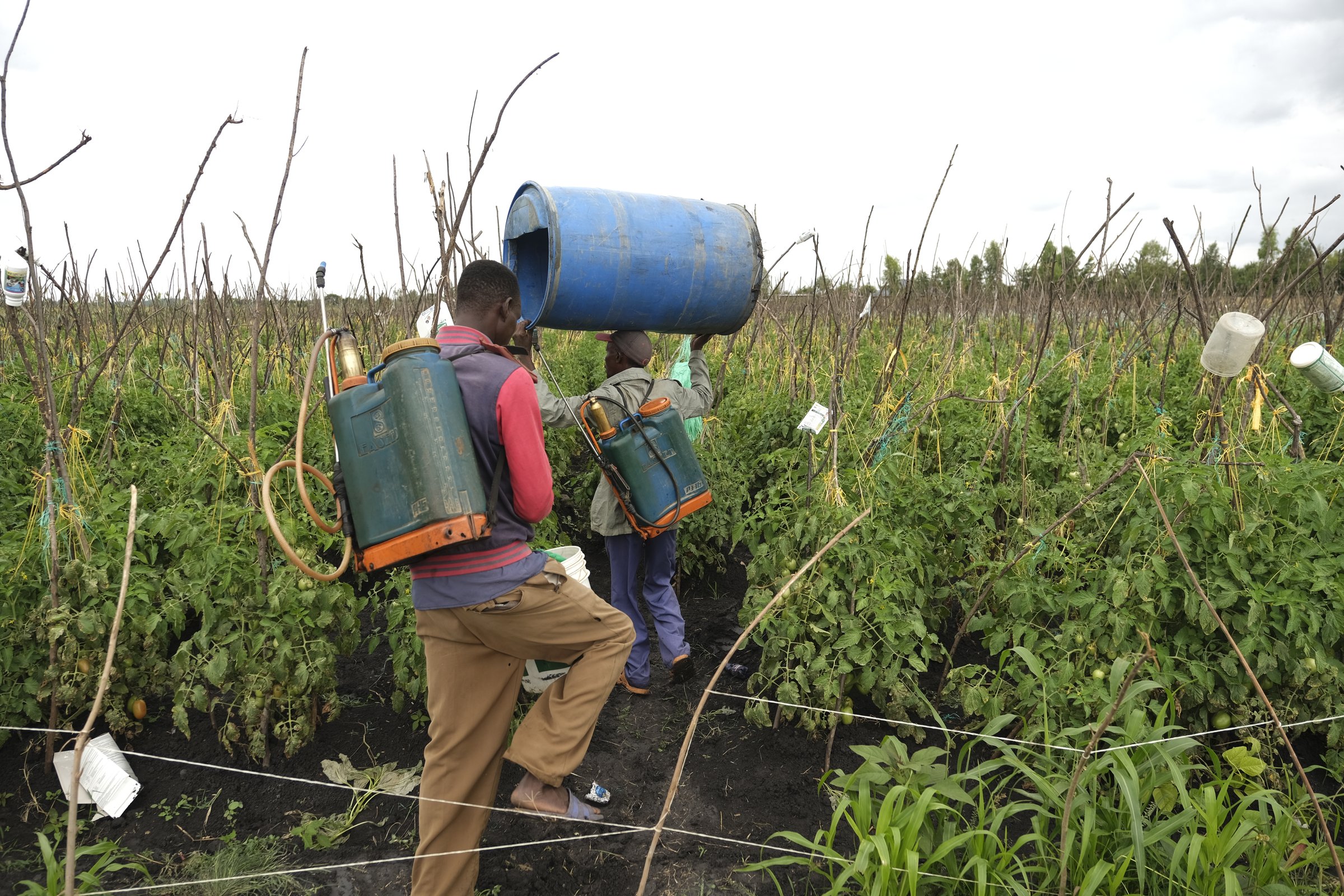
The EU plans to liberalise rules on pesticides used by European farmers, while simultaneously tightening controls on those contained in imports to the bloc, which could drive a major spike in prices. That was the conclusion of a study published on Tuesday (11 August) by the EU’s Joint Research Centre, the commission’s in-house think-tank. It found that lowering maximum residue levels (MRLs) for imported food and feed to the limit of quantification (LOQ) for the most hazardous pesticides banned in the EU could lead to a 41 percent drop in agricultural imports and higher consumer prices across the bloc. The study identified 18 most hazardous active substances not approved in the EU, with MRLs above the LOQ affecting 235 commodities and 86 exporting countries. Under a worst-case scenario, EU consumers would be facing a 332 percent increase in coffee prices and 82 percent for citrus fruit, according to the JRC research. “Across all scenarios, the direction of effects resulting from lowering the MRLs to the LOQ is similar — imports decline, EU production rises, and consumer prices increase,” the study found. In the event that producers in third countries responded by adjusting their practices, “this reduction declines to 8 percent and then to 0.4 percent depending on the cost of adaptation,” it added. The proposed drop on residue limits, which is part of the food and feed safety omnibus law, has been designed to address the concerns of European farmers that the EU’s new trade deals, particularly the pact with the South American Mercosur bloc that came into effect in May, will lower standards.
EU double standards on pesticides exposed, amid warning of coffee and citrus price spikes
Full Article
Original Source
Read the full article at Euobserver →KhanList aggregates and links to publicly available news content. We do not host full articles from third-party sources. Always verify important information with original sources.