
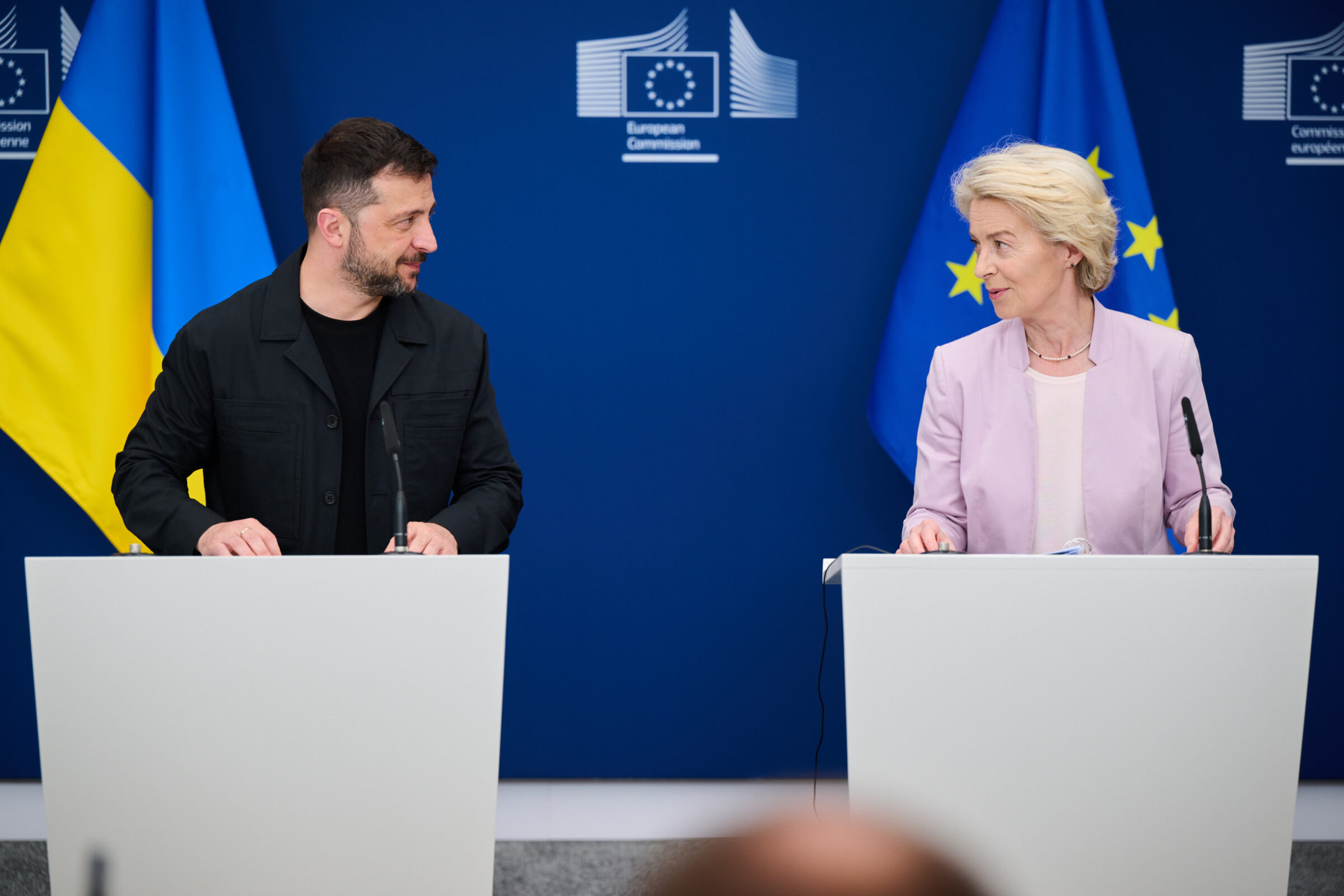
The EU is set to provide Ukraine with a further €3.3bn for the purchase of drones and missiles on Friday (18 Septemeber), the commission said after a phone call between European Commission president Ursula von der Leyen and president Volodymyr Zelensky earlier this week. The new trench of a €90bn EU loan is partly a scheduled disbursement and partly a timely visible message of support amid the escalation of Russian atatcks and ongoing questions about Ukraine’s longer-term financing. “We know that the coming winter will be tough for Ukraine,” von der Leyen said during her State of the Union earlier this week, falling short of announcing more sanctions against Moscow and amid reports of another potential mobilisation in Russia. The move comes as Ukraine estimates a $27bn (€23.4bn) funding gap this year, reviving debate over whether Europe should use frozen Russian assets to help cover the shortfall. The €90bn loan to Kyiv agreed by EU leaders in December 2025 was a Plan B after no consensus was reached on selling off frozen Russian assets. It aimed to cover two-thirds of Ukraine’s financing needs for 2026-2027 — with the other third supposed to come from other partners: the G7, the IMF, and bilateral support from member states. For his part, US president Donald Trump threatened that he will seek money back for previous American help to Ukraine. Behind closed doors, EU diplomats question Kyiv’s spending During a meeting on 24 August, on Ukraine’s Independence Day, Zelensky told senior EU and British officials that Ukraine’s defence ministry had already dipped into funds meant for the second half of the year, according to New York Times. The commission says it has so not received any formal requests from Kyiv, but the New York Times reported that Zelensky urged EU leaders to send more of the €90bn quicker. Brussels had planned to disburse €45bn to Ukraine in 2026 and another €45bn the following year. But four European diplomats told the New York Times they were shocked by the size of the deficit. Some reportedly asked in private whether money is being spent efficiently or whether needs are being overstated. At the same time, several officials conceded that speeding up the loan disbursements was the only workable option. But the commission remains cautious, as speeding up disbursement would also require amendments to the agreed schedule back from December 2025. And if the commission were to send funds to Ukraine earlier than planned, it could present problems down the line. Fighting Russia getting more expensive
EU commits €3.3bn to Ukrainian drones as funding gap remains unresolved ahead of ‘tough winter’
Full Article
Original Source
Read the full article at Euobserver →KhanList aggregates and links to publicly available news content. We do not host full articles from third-party sources. Always verify important information with original sources.