
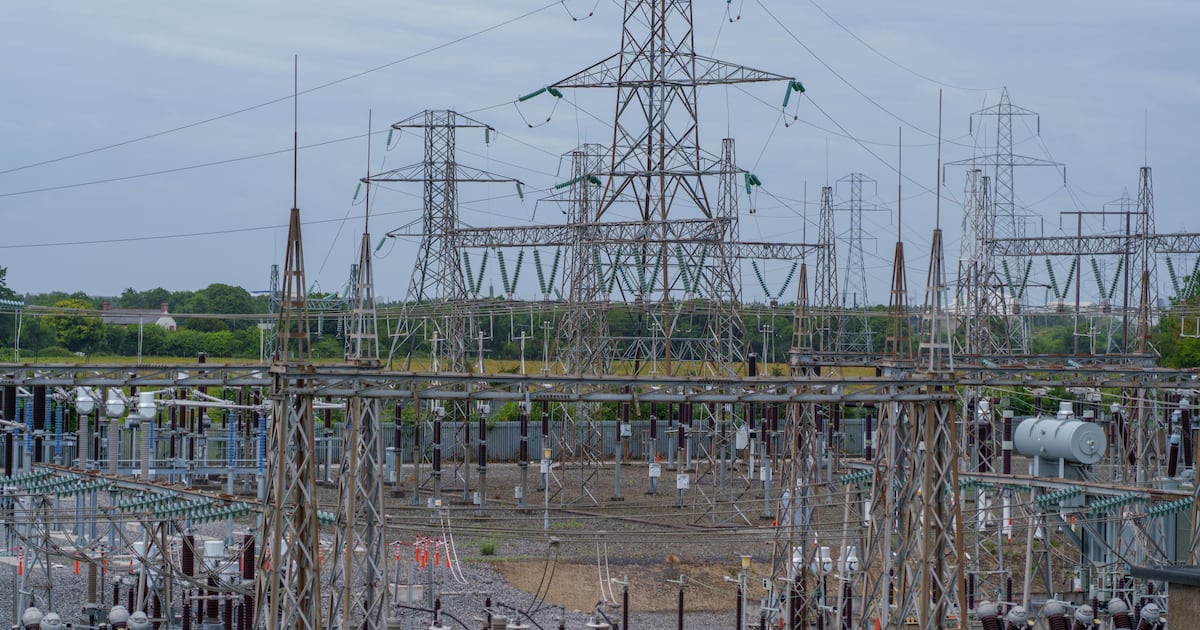
The ESB has warned its debt investors of the risk of physical attacks on its assets – and critical infrastructure owned by third parties – following a spate of incidents in Europe in recent years that have been linked to Russian sabotage. The State-owned company said in a bond document – or prospectus – that this includes risks posed by “state actors” amid heightened geopolitical tensions. “Over the past two years, similar assets in other European markets have been targeted, underscoring the vulnerability of energy infrastructure to such incidents,” the ESB said in the document, dated August 28th. The inclusion of the potential threat is a new addition to the litany of material, specific risks the ESB has flagged in previous bond documents, including cyber risks, as required under EU prospectus rules. But it echoes similar alerts made by a number of other European power groups in recent years in investor documents. READ MORESweden’s Vattenfall, one of Europe’s largest electricity generators, with large operations in Germany, the Netherlands, Denmark and the UK, inserted a warning in a prospectus last year that nuclear plants and hydroelectric dams could be targets for “antagonistic state actors”, and described a deteriorating security environment in Europe as the “new normal”. Denmark-based Orsted is another example, having included a section in a bond prospectus late last year saying it faces risks of “acts of vandalism or sabotage perpetrated by criminal, terrorist, or state actors and physical infiltration of operational technology networks”. Finnish energy group Fortum is among those to specifically namecheck Russia – having included a line in financial reports since 2023 highlighting the potential threat from Moscow including “sabotage or direct attacks on, for example, energy infrastructure in Fortum’s operating countries”. Vladimir Putin’s government seized Fortum’s Russian assets in 2023. Since Russia invaded Ukraine in February 2022, the Armed Conflict Location and Event Data Project (ACLED), an independent conflict monitor, has recorded at least 150 incidents of sabotage, cyberattacks or drone strikes in European countries. According to ACLED, targets have included critical systems such as energy and water infrastructure, telecommunications and undersea cables, as well as transport and logistical networks used to move military equipment and other supplies to Ukraine. Most recently, the German government last week formally blamed Russia for an attempted drone attack at Leipzig/Halle airport in August and ordered the closure of the Russian consulate general in Bonn and the Russian House in Berlin. Russia has rejected any involvement in the incident, with its foreign minister saying the accusations were “the start of a real war”.The Irish National Economic and Social Council, an independent statutory advisory body to the Government, highlighted in a report last year that there have been concerns about Russian naval activity in Irish waters in recent years, as gas interconnectors or undersea cables could be targeted through hybrid warfare. Ireland is connected with the British electricity market through the East West and Greenlink interconnectors between the Republic and Wales and the Moyle Interconnector between the North and Scotland.There are also two subsea natural gas interconnectors between the Republic and Scotland. The ESB prospectus notes that about 60 per cent of the primary energy for electricity production in Ireland is imported fuel – with about 80 per cent of gas used in the State purchased on the UK gas markets, which in turn are supplied by production in the UK, European imports and the import of liquefied natural gas.The ESB remains the largest electricity generator on the island of Ireland and also has significant wind and a gas-powered portfolio in Britain. An ESB spokesman declined to comment beyond what was stated in the prospectus.
ESB flags risk of ‘state actor’ attacks on assets following incidents in Europe
Full Article
Original Source
Read the full article at Irishtimes →KhanList aggregates and links to publicly available news content. We do not host full articles from third-party sources. Always verify important information with original sources.