
“Free media in Türkiye is dead,” Europe’s Socialist and Democrats (S&D) party declared on Tuesday (17 November), after a Turkish pro-opposition media, Sözcü TV, was raided by police in Istanbul. One of the last critical news channels standing in Turkey has faced repeated sanctions from Turkey’s broadcasting regulator, as president Recep Tayyip Erdoğan’s government keeps up pressure on its opponents ahead of the next general elections, expected in 2028. Sözcü TV had earlier gone dark for 10 days, in July 2025, after getting a ban from Turkey’s broadcasting regulator following its coverage of protests sparked by Istanbul mayor Ekrem İmamoğlu’s arrest. After police searched Sözcü TV’s building under a court order on Tuesday, authorities replaced the broadcaster’s direction with a government trustee. And for many European observers, the raid was a further step in a vicious crackdown, which has seen independent media toppling into the hands of state control. Ankara also placed Erdoğan-sceptic news channel Halk TV under state trusteeship in October, while the opposition-leaning TELE1 broadcaster was given a state trustee a year before, due to espionage allegations lodged against its editor and chief. With state sanctions affecting most major broadcasters across the country, what remains of independent journalism is some print news, niche online outlets, and independent digital publications. “As writers and journalists in Turkey we often feel things can’t be any worse for us, that we have reached the bottom, but the government continues to prove us wrong, and freedom of expression manages to shrink even more,” said Kaya Genç, author of The Lion and the Nightingale, chronicling Turkey’s crackdown on the country’s creative communities. The European press prize laureate found the Sözcü takeover particularly unsettling, as it broadened expectations among his colleagues that Ankara may be prepared to remove all critical media. “I watched Sözcü TV this morning. The caretakers of the network had managed to surgically remove the political coverage, leaving space only for news about crime and traffic,” Genç told EUobserver from Istanbul. The writer fears that the crackdown will push more Turks to get their news from WhatsApp groups and YouTube streams of opposition journalists, such as the formerly imprisoned Fatih Altaylı, who “has a social media following and views larger than all pro-government media combined,” instead of reading professional and independent journalism. Meanwhile, the increased silencing of media, NGOs, and associations, is enshrined in Turkish law. Article 299 of the penal code foresees one to four years' imprisonment for insulting the president, while article 301 criminalises "denigrating the Turkish nation". The result has been a “chilling effect” on all forms of civil society, according to Amnesty International, and the law has meant that 17 journalists and media workers are currently in prison. Brussels’ ‘complicity’
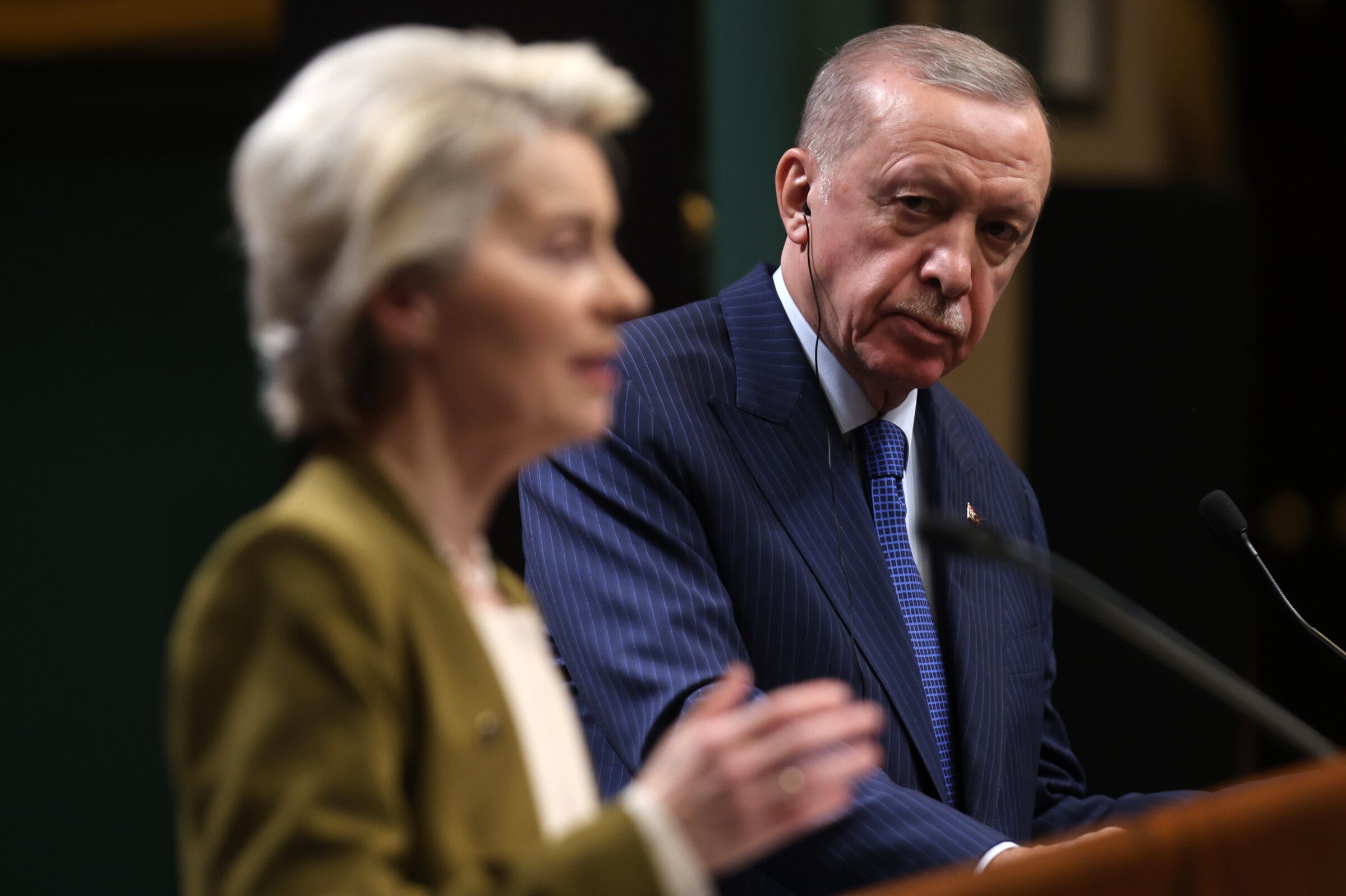
Erdoğan is strangling Turkey’s last free media, as EU turns a blind eye
Full Article
Original Source
Read the full article at Euobserver →KhanList aggregates and links to publicly available news content. We do not host full articles from third-party sources. Always verify important information with original sources.