
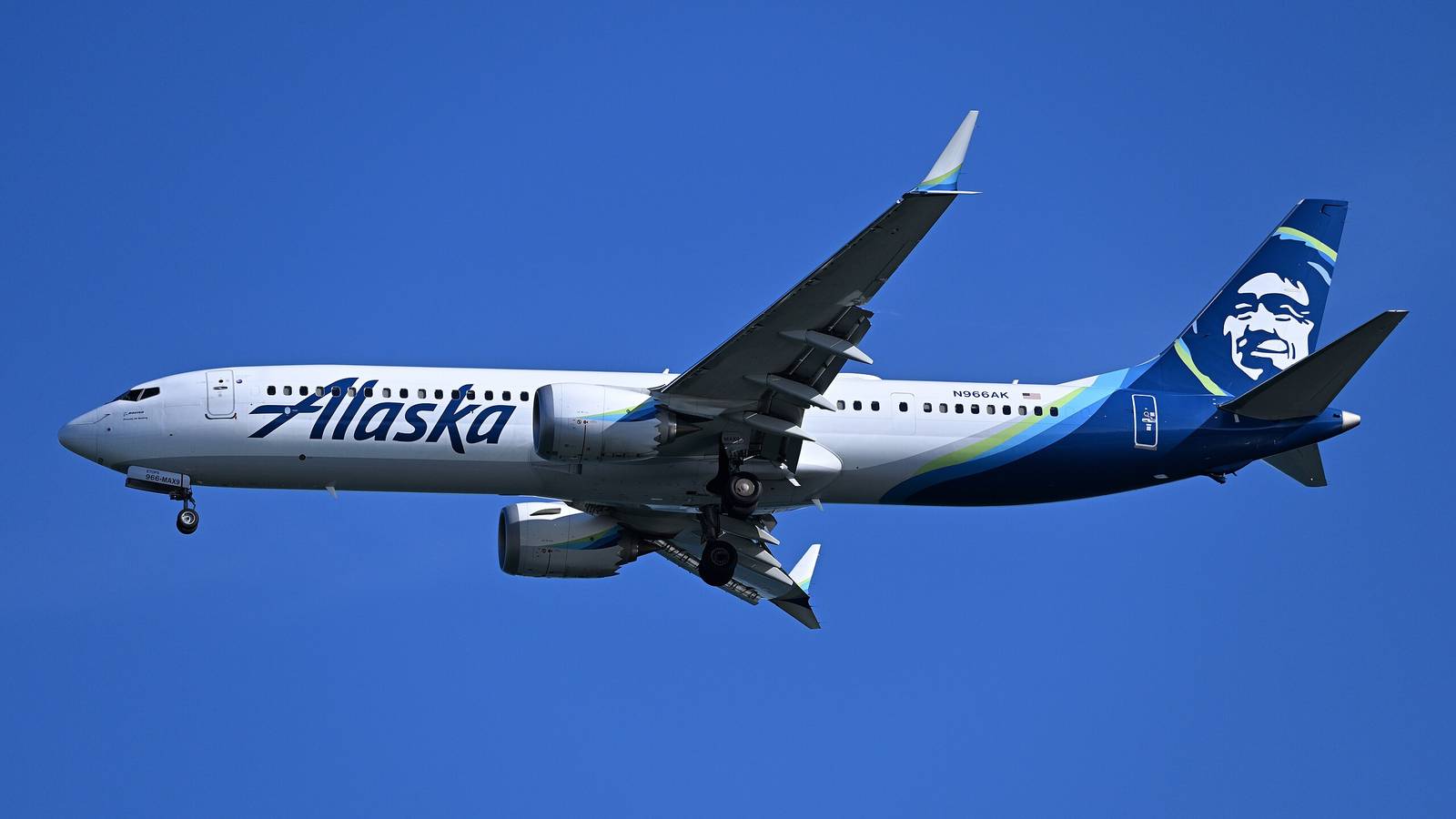
Published Aug 17, 2026, 3:45 PM EDT Jack comes to Simple Flying with a lifelong interest in all things aviation. He holds a degree in Aerospace Engineering from Georgia Tech, and is a certified private and remote pilot. Beyond these experiences, Jack previously worked for a corporate flight department where he gained first-hand experience in the world of business aviation. Currently, Jack works in the professional services industry and continues to build his flight hours outside of work. Sign in to your Simple Flying account An Alaska AirlinesBoeing 737 MAX 9 shut down one of its engines at 34,000 feet on Sunday after the flight crew received a low oil-pressure indication, prompting an immediate diversion to Chicago O'Hare International Airport (ORD). Flight AS274 was traveling from Cleveland (CLE) to Seattle (SEA) when the crew reported the problem approximately 40 miles southeast of Chicago. The aircraft, a 737-9 MAX registered N978AK, landed safely on O’Hare’s Runway 27C about 35 minutes after the engine was shut down. The incident occurred on August 16, 2026, and was classified by AeroInside as an in-flight engine shutdown. The aircraft did not continue toward Seattle after the crew elected to divert. Crew Responds To Low Oil Pressure Credit: Shutterstock The incident developed while AS274 was cruising at flight level 340, or 34,000 feet. According to the incident report, the crew identified low oil pressure affecting the right-hand engine, a CFM International LEAP powerplant, and shut the engine down. Oil-pressure monitoring is an important part of turbofan engine operation because engine oil lubricates bearings and other moving components while also helping remove heat. A significant pressure loss can indicate a problem that warrants shutting the engine down rather than continuing to operate it. The crew's response also illustrates why commercial aircraft are designed and certified to continue flying after the loss of one engine. The 737 MAX 9 has two engines, allowing pilots to maintain controlled flight and divert to an appropriate airport if one becomes unavailable. There was no indication in the available incident report that the aircraft experienced an uncontrolled emergency or difficulty maintaining flight. Instead, the crew followed the appropriate response to the engine indication and proceeded toward the nearest suitable major airport. O'Hare Provided A Suitable Diversion Credit: O'Hare International Airport Chicago O'Hare was approximately 40 miles from the aircraft when the problem was reported, making it a practical diversion point. The aircraft subsequently landed approximately 35 minutes after the engine shutdown. The destination of Seattle was thousands of miles away when the engine issue began, thus continuing on with the flight was never an option. Even when an aircraft is capable of safely flying on a single engine, pilots are generally instructed to divert to a closer airport rather than continuing a long-distance journey. O'Hare is one of the busiest airports in the world and offers extensive maintenance infrastructure and airline support, which can be particularly valuable after an engine-related event. The aircraft could be inspected and the cause of the oil-pressure indication investigated before being considered for another flight. The incident report does not identify the underlying mechanical cause of the low oil pressure. That distinction is important because an engine shutdown is a response to an indication, rather than evidence by itself of a particular component failure. Replacement Aircraft Continues To Seattle Credit: Shutterstock The disruption extended beyond the affected aircraft. After landing at O'Hare, N978AK remained there while Alaska Airlines arranged a replacement aircraft for passengers continuing to Seattle. A Boeing 737-900, registration N266AK, subsequently departed Chicago approximately three and a half hours after the original aircraft landed. That response limited the operational impact of the engine shutdown. Rather than waiting for the original 737 MAX 9 to return to service, Alaska was able to substitute another aircraft and continue the journey. The event also demonstrates the practical value of airline fleet redundancy. An isolated mechanical problem can still produce substantial disruption, but having another aircraft available allows an airline to protect the remainder of a passenger's journey while maintenance teams investigate the affected aircraft. No further details about the engine's condition or the reason for the low oil-pressure indication were provided in the available report. Further maintenance findings would be needed to determine whether the event resulted from an engine component, an oil-system issue, or another technical fault.
Engine Shut Down At 34,000 Feet On Alaska Airlines 737 MAX 9, Makes Immediate O’Hare Diversion
Full Article
Original Source
Read the full article at Simpleflying →KhanList aggregates and links to publicly available news content. We do not host full articles from third-party sources. Always verify important information with original sources.