
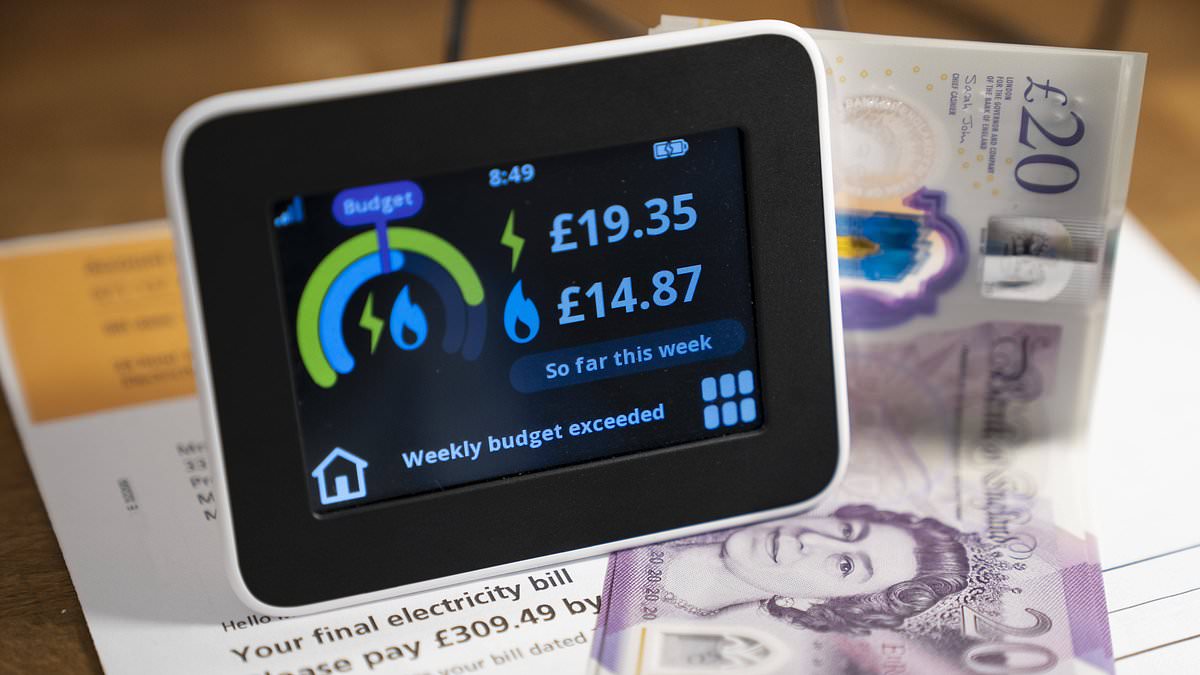
Energy bills will remain 'stubbornly high' until the end of the decade, major supplier warnsSee more This is Money on Google - save us as a Preferred Source Updated: 05:05 EDT, 25 August 2026 Average energy bills are expected to keep rising until 2030 unless the government continues to help households, EDF Energy has warned. EDF said average dual fuel bills in 2030 will be around 13 per cent higher than in the final quarter of 2025 levels if recent government interventions are not extended. By 2030, EDF expects household standard variable tariff energy bills to rise to £1,790 a year if government support measures are not extended. Customers can often get cheaper bills if they opt for a fixed-rate tariff. 'Bills still look stubbornly high at the end of the decade', experts at EDF said in a blog post this week. Labour recently moved 75 per cent of domestic renewable obligation costs into general taxation and cut VAT for domestic electricity bills to zero per cent from October, helping ease pressure on people's bills. It remains unclear if the government will continue offering the VAT cut and renewable obligation cost measures. EDF said maintaining both measures would cost the public purse £3.5billion in 2030. Higher bills: Average energy bills are expected to keep rising until 2030 unless the government continues to help households, EDF Energy saidIf government relief measures are extended, energy bills look set to fall by around £90 a year by 2030, EDF said. EDF added: 'The October VAT cut is currently only funded until next April. While the Starmer Government committed to place the three-year RO reduction on an “enduring legal basis” via the Energy Independence Bill, the new Government’s intentions remain unclear.'While wholesale prices have fallen from the peaks seen during the recent energy crisis, other costs including network investment, policy costs and the growing cost of energy debt continue to put pressure on bills, EDF said. The supplier said increases in non-energy costs were 'expected to offset potential reductions'. Non-energy costs are charges that are not directly linked to buying electricity or gas on wholesale markets. They include the costs of building and maintaining energy networks and supporting and funding environmental and social policies. With energy bills set to rise, energy debt looked set to 'remain a significant challenge' as people struggle to pay their bills, EDF said. It added: 'If the new Government is serious about tackling energy costs, greater transparency about where bills are heading and why investment is needed is the first step. 'Faster electrification remains the UK's most credible long-term route to more affordable bills. In the meantime, we must do more to support those most in need.'Energy price cap update this week A rise in the energy price cap is expected to be announced this week, piling further pressure on people's finances. On Wednesday, the energy price cap for October onwards will be announced by regulator Ofgem and is expected to hit a three-year high. Energy consultancy Cornwall Insight forecasts Ofgem's cap on household price rises, which is set every three months, will rise by 4 per cent when it is announced this week. The increase will apply to household bills during the first half of the coming winter and follows a sharper 13 per cent hike in July.The energy cap covers approximately 33million households in England, Wales and Scotland.It fixes the maximum amount which customers on standard variable tariffs can be charged for each unit of gas and electricity used, but households' actual bills depend on the amount of energy they use and how they pay for it. The current Ofgem energy price cap is set at £1,663 a year for a typical dual-fuel household in England, Scotland, and Wales paying by monthly direct debit. Customer energy debt is on course to surge to £7billion by the end of this year in the latest sign of the deepening squeeze on household finances.Industry body Energy UK said the sum owed by domestic customers is already estimated to have hit £6billion in the first half of 2026.
Energy bills will remain 'stubbornly high' until the end of the decade, major supplier warns
Full Article
Original Source
Read the full article at Dailymail →KhanList aggregates and links to publicly available news content. We do not host full articles from third-party sources. Always verify important information with original sources.