
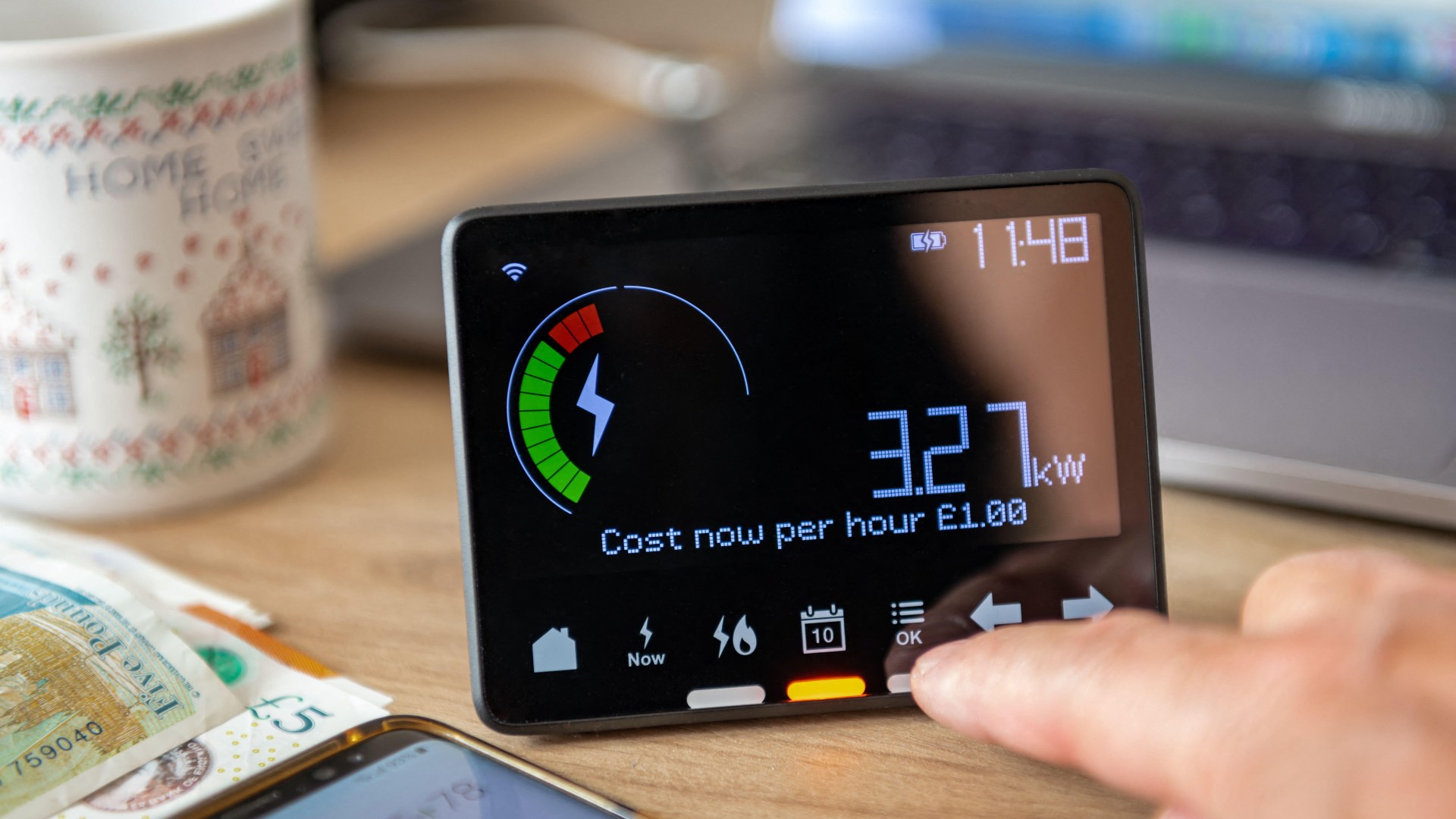
ENERGY bills are set to soar to the highest level in three years, in the latest blow to struggling households. The energy price cap, which is the maximum providers can charge per unit of energy, is expected to increase by 4% in October. That’s according to analysts at well-respected energy research firm Cornwall Insight. It means a typical household will be facing a yearly bill of £1,729, up from £1,663 – an increase of £66. Sign up for the Money newsletter Thank you! This is based on energy regulator Ofgem‘s updated definition of a typical consumer, which came into effect from July to reflect falling household energy use. Households have been cutting back on their energy usage to keep bills down as much as possible. If we base the amount on Ofgem’s previous calculations, the average bill would be £1,941 per year. It would mark the highest average bill since July 2023. The increased amount would come into force in October, just as households start upping their energy usage by turning their heating on. Bills will be lower than otherwise expected because Prime Minister Andy Burnham has promised to remove VAT from household electricity bills. Most read in Money This comes into effect in October and means bills will be around £45 cheaper per year. Still, the savings that households would have made have been all but wiped out by big increases to wholesale energy prices. Analysts say wholesale prices have been pushed up by the conflict in the Middle East. An important shipping lane, the Strait of Hormuz, has been largely blocked during the war and meant ships carrying global oil supplies are unable to pass through. Prices have also been pushed higher by increasing gas demand due to the ongoing heatwaves across Europe. The hot weather has meant more energy is needed for air conditioning and cooling. Dr Craig Lowrey, principal consultant at Cornwall Insight, said: “Rising energy bills aren’t welcome at the best of times, but with winter approaching this latest hike will hit struggling households especially hard… “Moments like this are the strongest argument for reducing Britain’s reliance on volatile international gas. “While temporary relief like VAT cuts help soften the blow, they don’t touch the underlying fact that Britain is heavily dependent on imports of natural gas.” Triple bill blow for households Inflation is also on the rise and train fares could be set to increase next year too Credit: Getty Households are facing a triple blow today as inflation has risen once again and rail fares are predicted to rise by 4.2% next year. The latest figures released today show inflation has hit 2.9%, up from 2.6% previously. This means the cost of goods and services is rising faster than it was before. Today’s inflation figures also mean rail fares are likely to increase by 4.2% in 2027. That’s because rail fares are typically calculated based on the July rate of retail price index (RPI) inflation, plus a percentage point. RPI, which tracks the average prices of a fixed basket of retail goods and services, has hit 3.2%. Comment now
Energy bills to soar to highest level in three years as Middle East war pushes up costs
Full Article
Original Source
Read the full article at Thesun →KhanList aggregates and links to publicly available news content. We do not host full articles from third-party sources. Always verify important information with original sources.