
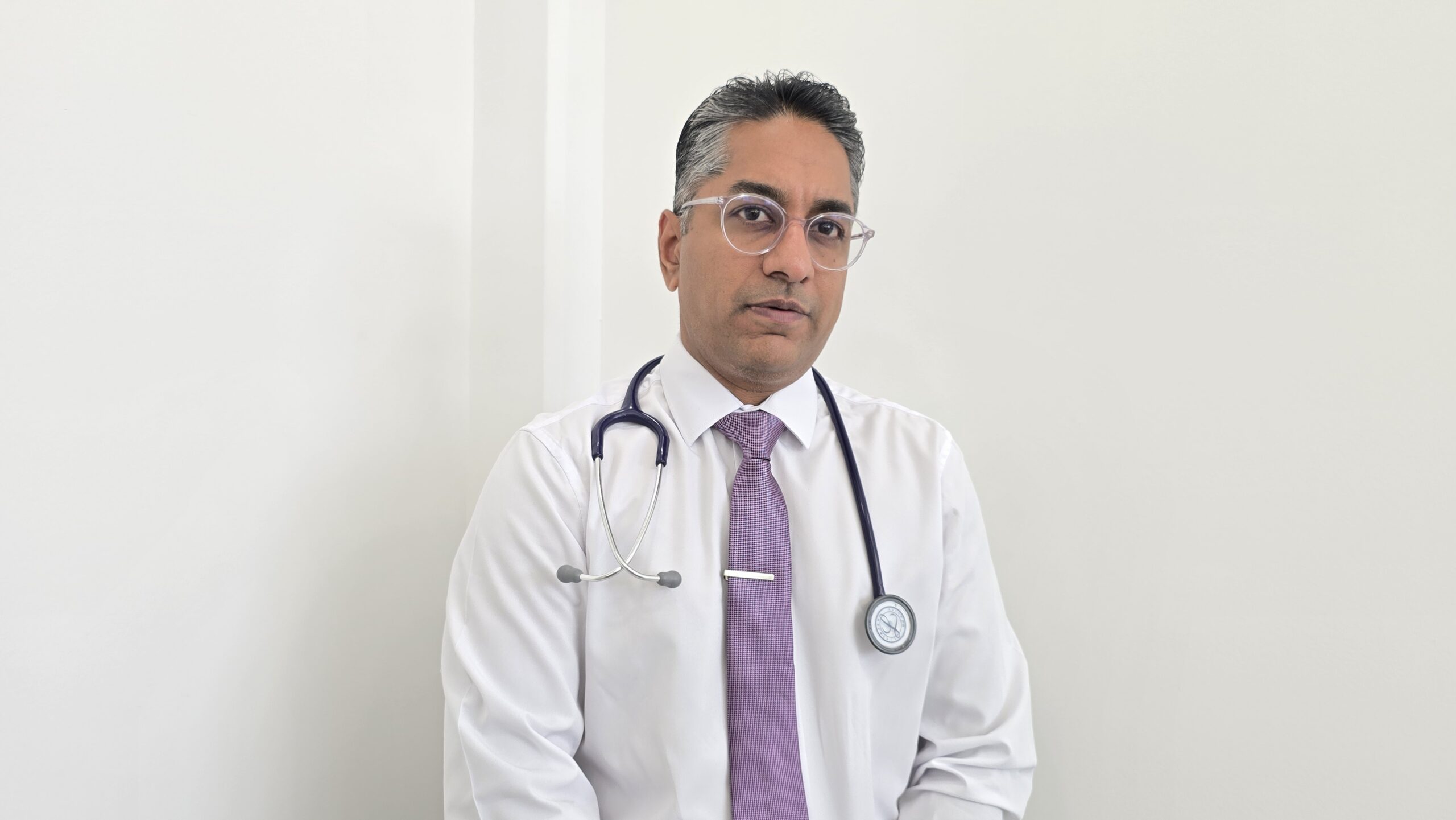
Obstetrician, Gynaecologist and Gynecological Oncology specialist Dr Vikash Chatrani. (Photo Credit: Lourianne Graham / Barbados TODAY) Endometrial cancer is on the rise, gynaecological oncology specialist Dr Vikash Chatrani has said, warning that women who experience bleeding after menopause should seek prompt medical attention. It is one of the uterine cancers associated with obesity and non-communicable diseases, and remains one of the leading causes of gynaecological cancers in Barbados, he told Barbados TODAY. He said: “This also is associated with other NCDs, non-communicable diseases, because it’s more common in overweight women, women with chronic conditions like hypertension and diabetes. And as our women live longer because of improvements in healthcare, we’re seeing more women presenting, so I think it is actually now on the statistics our number one gynaecological cancer in Barbados.” The increase followed reduced access to healthcare during the COVID-19 pandemic, with women now being diagnosed with both early and late-stage uterine cancer. “Six years ago, we were in the middle of a COVID pandemic. What we found were women were not accessing healthcare as regularly as they were accustomed to. Places were closed. There were restrictions. So what we have seen now is the uptick in women presenting with symptoms of early uterine cancer, and in some cases, late uterine cancer.” Dr Chatrani warned that any bleeding after menopause should be investigated promptly. You Might Be Interested In “If you get bleeding after menopause, it’s not your period coming back. It needs prompt attention and prompt evaluation to rule out the possibility of cancer.” He also urged younger women experiencing irregular bleeding or changes in their menstrual cycles to seek medical attention. “Any abnormal bleeding: women tend to have regular cycles, and they know how their body is. Usually, after the age of 40, once your cycles become wonky, you have irregular bleeding, bleeding after intercourse, intermenstrual bleeding. “These are signs that something may be wrong. So we advise these women to come forward too as well, go to their physicians, go to their gynaecologist, get checked out because that may be an early problem arising in the uterus that you can treat at an early stage and prevent cancer.” He said uterine cancer was also being diagnosed in younger women, with obesity and polycystic ovarian syndrome among the factors of concern. “Because of obesity conditions like polycystic ovarian syndrome, we have women who do have lifelong challenges with their periods. They have irregular periods. Some have no periods for months, and we’re actually seeing these women transforming into early cancer too, as well. “So once you have these, what they call hormonal imbalances or irregularities or their menses, you also need to come forward and get checked.” While uterine cancer is increasing, Dr Chatrani said cervical cancer was declining, which he attributed to screening and the introduction of the HPV vaccine nearly ten years ago. “What we have seen in the last six years is cervical cancer is going down, that’s an attestation to women getting screened, getting their Pap smear, but also the benefit of the HPV vaccine that was introduced back nearly ten years ago…we’ve seen less cases of abnormal Pap smears coming forward, and now we should see the fruits of our initiative, where we have less cancer of the cervix being diagnosed.” But he said ovarian cancer remained difficult to screen for and was often diagnosed at a late stage. “As you know, the ovaries are what produce your eggs and your hormones. Usually, when ovarian cancer presents, it usually presents at a late stage. There have been many studies to look at how best you can screen for ovarian cancer. “People hear about the CA125 blood test and ultrasound. What we have to do is to encourage our women to seek healthcare. Get your annual checks. Check your ovaries. Pay attention to your body. Look for signs and symptoms that may indicate early problems, and really and truly, how to prevent it? I would advise all women to just live a healthy lifestyle.” Dr Chatrani said reducing obesity and controlling conditions such as hypertension and diabetes were also important in reducing the risk associated with gynaecological cancers. (LG)
Endometrial cancer on rise, specialist says
Full Article
Original Source
Read the full article at Barbadostoday →KhanList aggregates and links to publicly available news content. We do not host full articles from third-party sources. Always verify important information with original sources.