
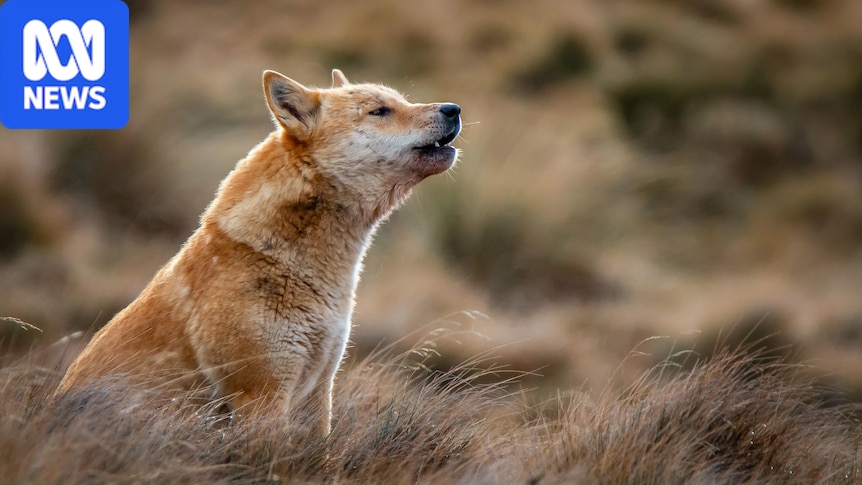
Division among graziers, Indigenous traditional owners and conservation groups over how to deal with New South Wales's dingo or wild dog population will be the focus of an inquiry.Even the use of the term wild dog or dingo sparks heated debate.An inquiry into how dingo populations are managed in the state's national parks has received close to 400 submissions and will begin hearings in state parliament on Tuesday.Yugambeh Mununjali traditional owner Lionel Currie spent decades working for NSW National Parks in their 1,080 wild dog baiting program along the state's northern border ranges.Lionel Currie is concerned about dingo culling in national parks. (ABC News: Abubakr Sajid)He left the service after years of wrestling with the responsibility for a program that included killing dingoes, an important part of his culture."They're the boss of Country, they maintain the delicate balance in the ecosystem we live in," Mr Currie said."I'd like to see them stop killing dingoes in national parks … I think Australia should be ashamed [of that]."Financial, emotional cost of attacksMr Currie's position could not be further from that of grazier Greg Alcock, who runs sheep on alpine country near Cooma.Greg Alcock is concerned about dingoes attacking his livestock. (Supplied: Greg Alcock)In Mr Alcock's eyes, the dogs are cold-hearted, calculated killers."They can maul 60 animals a night, chew bits of their legs, bits of their body and then just leave them," he said.The grazier estimated he had lost $60,000 in animals to dog attacks in the past five years and spent $500,000 on exclusion fencing to try to keep the predators off his property.Graziers are reporting livestock being attacked and lost. (Supplied: Greg Alcock)He said the distress of discovering his lambs after an attack was worse than any cost he had to bear."For our kids that help us on the farm and love it, it's really impacted them to see this trauma to their animals," he said."It's so confronting to deal with those animals, try to euthanise them or patch them up."Mr Alcock says as many as 60 sheep can be mauled in one night. (Supplied: Greg Alcock)A delicate balanceThe NSW government says dingoes are "an ancient breed of domestic dog" brought to Australia via Asia about 4,000 years ago.But under their management, dingoes fall under the category of wild dogs and are treated or baited as such.There is debate over the best way to manage and legislate dingoes. (Supplied: Michelle J Photography)Mike Letnic is a conservation biologist at the University of New South Wales and said the state had not changed the way it managed dingoes over the past 100 years."We need to find places where dingoes can be left alone," Professor Letnic said."When you take the dingoes away, kangaroo numbers erupt, a lot of our native animals disappear and our vegetation changes."Alix Livingstone says she understands people are concerned about dingoes on their property. (ABC News: Abubakr Sajid)Defend the Wild, a conservation group that campaigned for the parliamentary inquiry, has wanted dingoes to be protected under state law.Founding director Alix Livingstone said the state government should fund alternative ways for landholders to protect their animals from attacks."We understand there are people who have conflict with dingoes and we want to see every stakeholder catered to so landholders can protect their livestock, while we're maintaining dingoes in national parks," she said.Tara Moriarty said stakeholders needed to work together to minimise the impact of the animals. (ABC News: Berge Breiland)Agriculture Minister Tara Moriarty said the government supported a coordinated, risk-based, asset-protection approach to wild dog management to reduce the impact of livestock attacks, disease transmission and loss of threatened native fauna."It does so while recognising that dingoes have an important ecological role," she said.
Emotive debate on dingo, wild dog management in the spotlight amid inquiry
Full Article
Original Source
Read the full article at Abc →KhanList aggregates and links to publicly available news content. We do not host full articles from third-party sources. Always verify important information with original sources.