
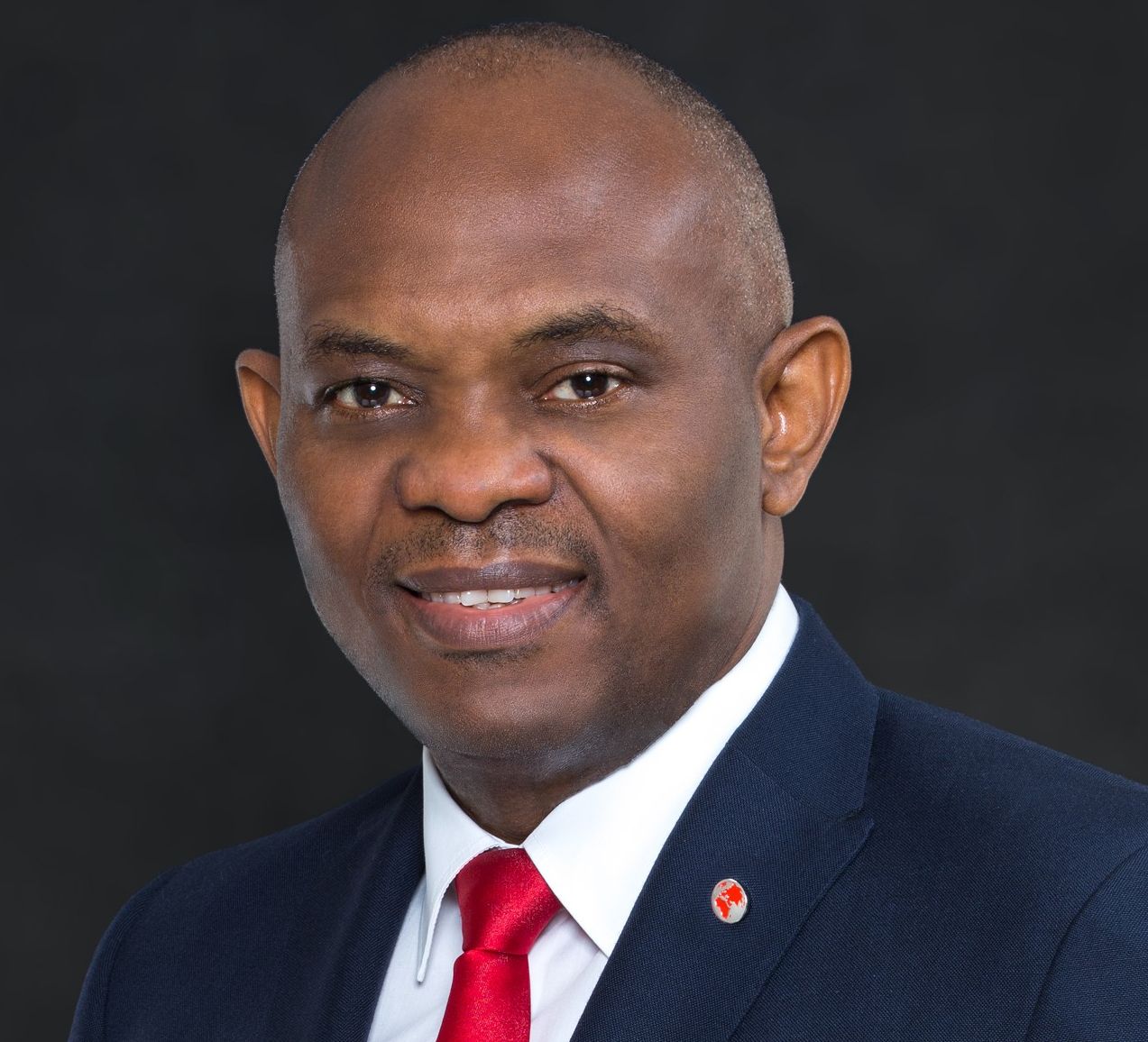
• Reveals TEF has committed $120m to entrepreneurs, with 48% female beneficiaries •WIM leaders seek greater access to capital, global markets for African Women Nume Ekeghe and Jonathan Eze The Chairman of Heirs Holdings, Tony Elumelu, has called on African business leaders to move beyond rhetoric on gender equality and deliberately create opportunities for women to occupy top corporate positions, arguing that greater female participation in economic decision-making is critical to the continent’s competitiveness and long-term growth. The call comes as the Founder and Chairperson of Women in Management (WIM), Dr. Sulochana Segera, and Chairperson of Women in Management Africa (WIMAFRICA), Dr. Ngozi Oyewole, are seeking greater economic opportunities, global recognition and increased participation of Nigerian and African women in trade, investment, entrepreneurship and leadership ahead of the maiden African edition of the WIM Global Economic Forum in Lagos. Elumelu, who made the call while delivering the keynote address at the 25th annual conference of Women in Management, Business and Public Service (WIMBIZ) in Lagos, said African businesses could no longer afford to overlook the economic potential of women, particularly at a time when the continent was seeking to strengthen its institutions and accelerate economic development. Speaking on the theme, “Rooted, Rising, Ready: Born in Africa, Built for the World,” he maintained that gender inclusion must translate into measurable outcomes, including board appointments, executive leadership opportunities and improved access to finance for female entrepreneurs. “Women’s economic leadership is not a concession to fairness. It is a requirement for competitiveness,” Elumelu declared. Drawing from his experience at Heirs Holdings, Elumelu pointed to the growing number of women occupying senior leadership positions across the group’s businesses as evidence that deliberate investment in female talent could deliver results. He noted that eight women currently served as chairs and chief executives across the group, with responsibilities spanning financial services, investment management, hospitality, real estate and entrepreneurship development. According to him, the appointments were driven by competence and the ability to deliver results rather than a desire to satisfy gender representation targets. “I did not do it for a headline. I did it because they were the best people for the jobs,” he said. Among the female leaders highlighted was his wife, Dr Awele Elumelu, a founding director of Heirs Holdings, who chairs Avon HMO, Avon Medical, Heirs Insurance Brokers, Transcorp Hotels Plc and Heirs Energies. She is also a co-founder of the Tony Elumelu Foundation (TEF). Other executives include Dr Fumbi Chima, Chair of Heirs Technologies; Agatha Obiekwugo, Chair of Afriland Properties Plc; Foluke Abdulrazaq, Vice Chair of Transnational Corporation Plc; and Owen Omogiafo, President and Group Chief Executive Officer of Transcorp. Also occupying leadership positions across the group are Uzo Oshogwe, Managing Director and Chief Executive Officer of Transcorp Hotels Plc; Somachi Chris-Asoluka, Chief Executive Officer of the TEF; Catherine Nwosu, Managing Director and Chief Executive Officer of Africa Prudential Plc; Dr Odiri Ogini, Managing Director and Chief Executive Officer of United Capital Asset Management; and Esther Adeola Balogun, Managing Director and Chief Executive Officer of UCEE Microfinance Bank. Beyond corporate appointments, Elumelu stressed that access to capital remained one of the most significant factors determining whether African women could translate their entrepreneurial ambitions into sustainable businesses. He disclosed that the TEF had committed more than $120 million in seed capital to 24,633 entrepreneurs across Africa’s 54 countries over the past 15 years, with women accounting for 48 per cent of beneficiaries. The entrepreneurs supported through the initiative have collectively created more than 1.5 million jobs and generated over $4.2 billion in revenue, demonstrating, according to him, the economic opportunities that could be unlocked when entrepreneurs were provided with the resources to succeed. He explained that the foundation’s approach reflected his philosophy of Africapitalism, which places the private sector at the centre of Africa’s economic transformation through investments that generate both commercial returns and broader social benefits. “Opportunity in Africa is still distributed by accident of birth, of geography, of gender. My life’s work is to make it distributed by merit instead,” he said. Elumelu challenged corporate organisations to examine their leadership structures and identify the institutional barriers preventing qualified women from progressing into senior management and boardroom positions. He argued that the responsibility for advancing women’s economic participation should not rest solely with advocacy groups, stressing that business owners, investors and corporate executives must demonstrate commitment through practical decisions. “If I can do it in power, in hospitality, in banking, in insurance, in healthcare, and in oil and gas, so can others?” he asked. Addressing young African women, he urged them to pursue leadership opportunities with confidence, build businesses and take ownership of their economic futures rather than wait for opportunities to be handed to them. He also commended WIMBIZ for sustaining conversations around women’s advancement over the past 25 years, while emphasising that the next phase of progress must focus on translating advocacy into economic influence, ownership and access to investment. “Advocacy got women into the room. Capital will get them to the head of the table,” he concluded. WIM Leaders Seek Greater Access to Capital, Global Markets for African Women Meanwhile, the Founder and Chairperson of WIM, Dr. Sulochana Segera, and Chairperson of WIMAFRICA, Dr Ngozi Oyewole, have called for greater economic opportunities, global recognition and increased participation of Nigerian and African women in trade, investment, entrepreneurship and leadership. The duo made the call at a press conference in Lagos yesterday, ahead of the maiden African edition of the WIM Global Economic Forum, themed, “The Power Shift: Women Driving Africa’s Global Economic Influence,” scheduled for November 10 and 11, 2026, in Lagos. They said the gathering would move beyond celebrating women’s achievements to creating practical opportunities for them to influence economic decisions, access capital, expand businesses, participate in international trade and establish strategic partnerships across continents. Oyewole, who is also the founder of Commonwealth Business Women Africa, said the power shift being advocated by WIMAFRICA was about ensuring that women moved from being participants in economic activities to becoming influential decision-makers, business owners, manufacturers and investors. She noted that African women were already sustaining local markets, building enterprises and contributing significantly to national economies, but needed greater access to finance, markets, infrastructure and leadership opportunities to maximise their potential. “For me, the power shift is about who gets to make economic decisions. African women already build businesses, create jobs and sustain local markets. The next step is for more women to own the companies that grow, decide where capital goes and help set the terms on which Africa trades,” she said. She explained that the conference would amplify the contributions of African women, particularly in manufacturing, agriculture, technology, trade and other productive sectors, while exploring how they could take advantage of opportunities under the African Continental Free Trade Area (AfCFTA). Oyewole stressed the importance of backward integration and local production, noting that women entrepreneurs could play a significant role in strengthening African supply chains by transforming locally available raw materials into finished products. She identified access to finance as one of the biggest constraints facing women-owned businesses, arguing that many entrepreneurs had the capacity and market opportunities to expand but lacked the working capital required to execute contracts and sustain production. Drawing from her experience as a manufacturer, she explained that businesses often struggled to finance materials, wages and production costs while waiting for customers to pay for completed contracts. She therefore called on financial institutions to develop financing products that reflected the operational realities of women-owned enterprises, particularly manufacturers and small businesses. Oyewole also urged government agencies and corporate organisations to make procurement opportunities more accessible to qualified women-owned businesses, ensure transparent bidding processes and promote timely payment for completed contracts. On AfCFTA, she said many women entrepreneurs remained inadequately informed about rules of origin, documentation and the procedures required to access cross-border markets, despite the enormous opportunities offered by the continental trade agreement. She further identified poor roads and unreliable electricity as major challenges affecting women in rural agriculture and food production, noting that inadequate infrastructure contributed to post-harvest losses and increased the cost of transporting goods to urban markets. She called for stronger protection of women’s property rights, particularly land ownership, arguing that removing cultural and institutional barriers would enable more women to invest in agriculture, manufacturing and other productive ventures. On her part, Segera said the decision to bring WIM’s global platform to Africa was driven by the need to recognise the contributions of African women and connect them to international business and investment opportunities. She explained that WIM was established 16 years ago in Sri Lanka to identify, celebrate and promote women whose work contributed significantly to economic development and professional advancement. She disclosed that the organisation now had members and award recipients in 29 countries, providing an international network through which accomplished women could collaborate, exchange expertise and establish business relationships across borders. Segera stressed that the recognition initiative would go beyond celebrating professional titles and positions to highlighting the talents, resilience, innovations and achievements of African women. She described Africa as an increasingly important market in the global economy, adding that women remained central to unlocking the continent’s economic potential. She emphasised that the gathering was not intended to be merely another conference and awards ceremony but a platform for business partnerships, investment, trade and long-term economic cooperation. Also speaking at the press conference, Seun Oyewole, Managing Director of NOXIE Limited and Founder of Legend of Legend Productions Ltd, described Nigeria’s hosting of the maiden African edition of the global gathering as an important opportunity to showcase the country’s achievements and Africa’s growing economic potential. Seun, who is also a member of WIMAFRICA and oversees event planning for the organisation, particularly the Global Economic Forum 2026 and the 16th Professional & Career Awards Gala 2026, said the gathering would bring together women and men from different countries and professional backgrounds to celebrate women’s achievements and explore opportunities for collaboration. He expressed pride that the first African edition was taking place in Nigeria, noting that Lagos, as the country’s commercial capital, offered an appropriate platform to showcase the entrepreneurial talent, commercial activities and business opportunities available across the continent. Participants are expected to examine how digital transformation can strengthen Africa’s banking sector, improve global competitiveness and create new opportunities for women-owned businesses.
Elumelu Urges African Businesses to Prioritise Women in Leadership
Full Article
Original Source
Read the full article at Thisdaylive →KhanList aggregates and links to publicly available news content. We do not host full articles from third-party sources. Always verify important information with original sources.