
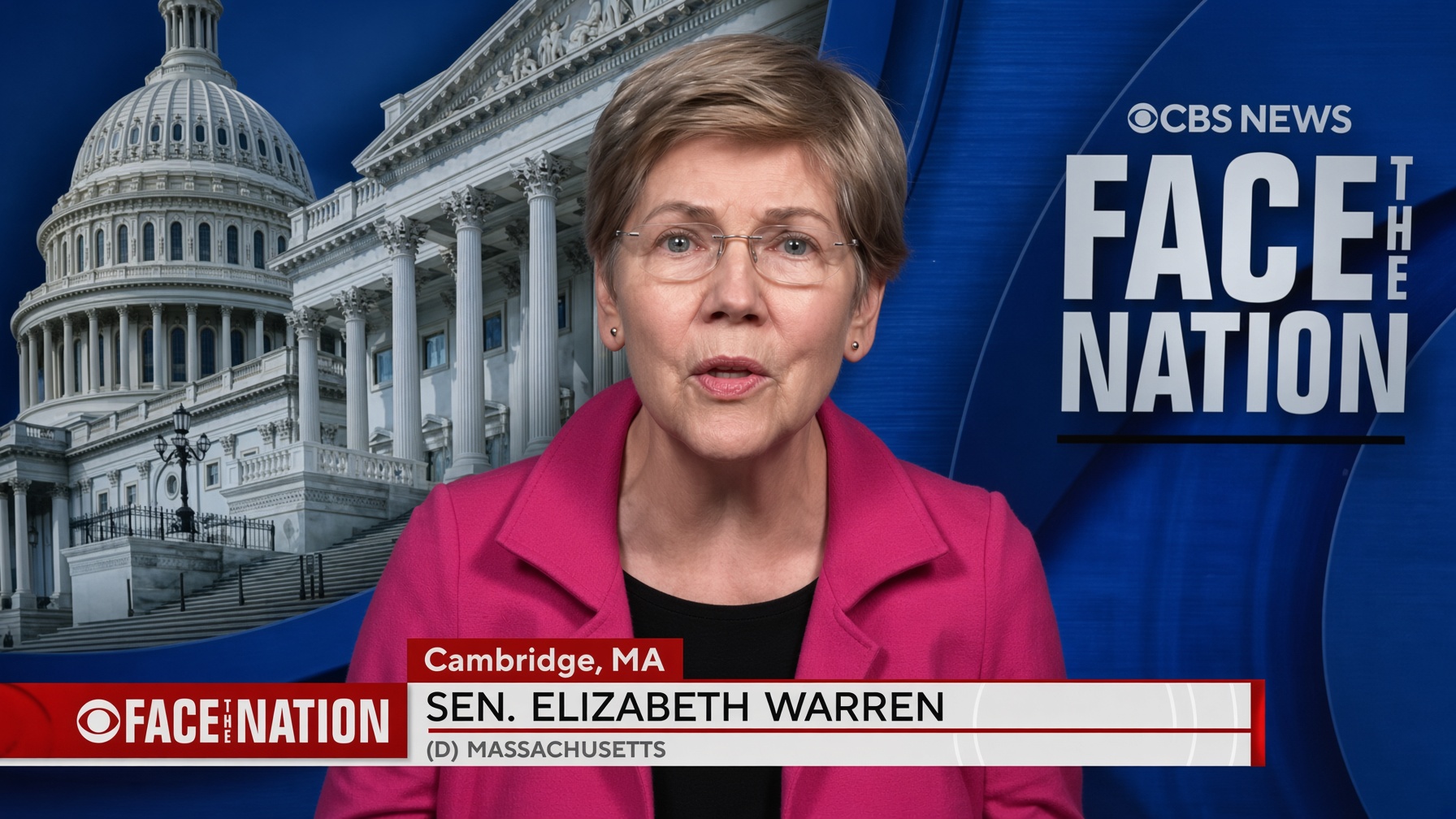
Both Elizabeth Warren and President Trump want to cap credit card interest rates, even as AI pushes long-term interest rates higher. And Warren is making a full court press to work with the President to make this happen. Donald Trump and J.D. Vance, and Elizabeth Warren and Bernie Sanders, actually agree on a lot of economics. They share the same distrust of markets, dislike of market outcomes, and generally lean into the same government interventions. “Horseshoe theory” suggests the political spectrum bends into a U, with supposedly opposing ends becoming closer to each other than their labels would suggest. National conservatives and progressive populists both argue that powerful interests have rigged the economy, that international competition has harmed American workers, and that government should dictate outcomes. Their constituencies are different and who they want to benefit are different but their economics are often the same. Here’s Warren saying she wants to work with the President on their shared goals. Sen. Elizabeth Warren (D-MA) says she wants to work with President Trump to cap credit card interest rates at 10% and Democrats “have the bills ready to go” to work with the president. “We got a whole bunch more that the American people have told us that they want on price gouging, on protecting our rural hospitals, on making sure people have access to healthcare,” she says. “…We got a lot of ways to deliver for the American people, whether Donald Trump wants to be a part of it or not.” — Face The Nation (@FaceTheNation) November 8, 2026 The economic illiteracy here is downright dangerous. Limits credit availability. Unsecured credit is expensive for a reason. Default risk, fraud, and card servicing mean that rates actually need to be higher to offer the product to most people. You’ll have fewer credit applications approved, reduced credit lines, and closed accounts – focusing on the riskiest borrowers. It’s only better-credit borrowers who might still get credit. Forces people into worse products. The need for credit doesn’t go away, just the best options people have been choosing for credit. So they get pushed into payday loans, overdrawing checking accounts, pawn shops, etc. Drives up card fees. If issuers can’t charge current rates, they have to generate revenue in fees – annual fees, balance transfer fees, etc. Bad for the economy. Unsecured credit makes transactions easy and frictionless. Less credit means fewer transactions, less economy activity. Destroys rewards programs. When products aren’t profitable there’s little reason to incentivize transactions. Better rewards cards often rebate the full value of merchant swipe fees to the consumer, spending on rewards in search of consumers who will revolve balances. When that’s not profitable anymore, the card programs no longer make sense. And that also hurts airlines, makes flights less profitable, and there’ll be fewer flights and at higher cost. Increases market concentration. Thin-margin card issuers and smaller players get pushed out, while larger issuers can cross-sell products and operate more efficiently surviving longer. Credit cards are a very competitive space (and if they could make money at 10% APR, they’d do it to win business). But this competition will erode under an APR cap. Hurts credit scores. As credit limits get cut, credit utilization spikes which drives down credit scores. That also makes other borrowing (auto, mortgage, even insurance pricing in some states) more expensive. In the most simplistic thinking, ‘stuff is unaffordable’ so we’ll ‘pass a law that says it should be more affordable.’ But that’s not how policy works. You don’t get to dictate outcomes, just the rules of the game, and that leads to outcomes including unintended consequences. Here, it’s almost as though those outcomes are intended because they’re so obvious. Topics on this page
Elizabeth Warren May Team Up With Trump On A 10% Credit Card Interest Cap—Putting Your Credit And Rewards At Risk
Full Article
Original Source
Read the full article at Viewfromthewing →KhanList aggregates and links to publicly available news content. We do not host full articles from third-party sources. Always verify important information with original sources.