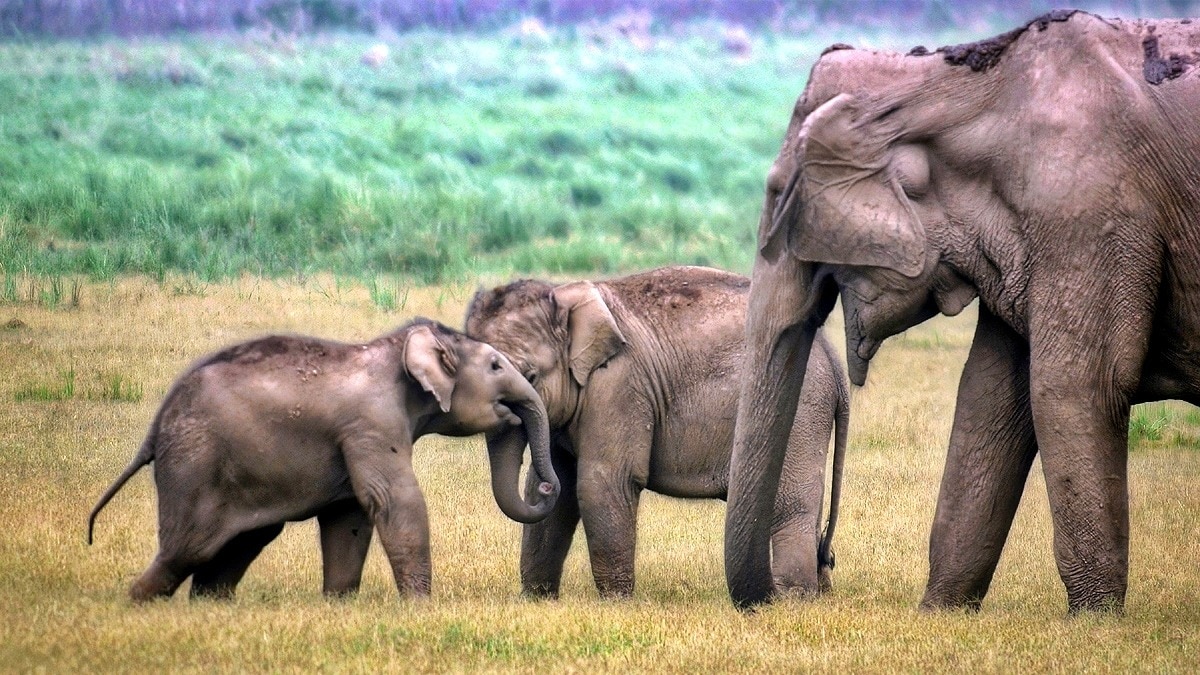
Scientists in the Central African Republic are extracting DNA from elephant dung to count and track African forest elephants.Repeated sampling could also show how elephants move through the forest over time. (Photo: Mukesh Yadav)The population of African forest elephants is declining rapidly, with only around 1,35,000 believed to remain in the wild, according to estimates cited by the World Wildlife Fund. The greatest losses have occurred in the forests of Central and West Africa, where large-scale poaching has devastated elephant populations.Now, scientists are turning to an unlikely source to understand how many elephants are left and where they are moving: elephant dung. The elephants are now facing another major challenge: the loss of their forest habitat. (Photo: Mukesh Yadav) In the Dzanga-Sangha Protected Areas of the Central African Republic, researchers are collecting elephant dung and extracting DNA from it. Because dung contains genetic material from the animal, scientists can use these samples to identify individual elephants without having to capture or physically observe them.Samples collected from different parts of the forest can reveal whether they came from the same elephant or different individuals. By combining this genetic information with other field data, researchers can build a much clearer picture of the forest elephant population. Repeated sampling could also show how elephants move through the forest over time. Scientists can return to the same areas and compare DNA results to determine whether individual elephants have shifted their range, whether new animals have appeared and whether populations are increasing or declining. Samples collected from different parts of the forest can reveal whether they came from the same elephant or different individuals. (Photo: Reuters) This information could prove crucial for conservation teams, particularly as forests become increasingly fragmented. Poaching remains a major threat. According to the report, around two-thirds of Central and West Africa's forest elephants were killed during large-scale poaching in the early 21st century, largely for their ivory. While ivory poaching has declined from its peak, the threat has not disappeared.The elephants are now facing another major challenge: the loss of their forest habitat. Forests are being cleared for oil palm, cocoa and rubber plantations, while settlements and other development activities are expanding. As forests shrink and become fragmented, elephants have less space to feed, breed and move between habitats. While ivory poaching has declined from its peak, the threat has not disappeared. (Photo: Mukesh Yadav) Alongside DNA monitoring, authorities are strengthening anti-poaching operations. In the Central African Republic and surrounding areas, a three-country eco-guard team can now pursue poachers across borders, making it harder for wildlife criminals to escape by crossing into another country. In Cameroon, local communities are also being supported in taking legal action against wildlife criminals.For conservationists, the first step is knowing exactly how many elephants remain, where they are and where the greatest threats exist.DNA from dung, long-term population data and stronger action against poachers could together provide a powerful new strategy to protect Africa's remaining forest elephants.(Report by Sakshi Prajapati)- EndsPublished By: Sibu Kumar TripathiPublished On: Aug 12, 2026 12:40 IST
Elephant poop could hide why the giant animal is slowly vanishing
Full Article
Original Source
Read the full article at Indiatoday →KhanList aggregates and links to publicly available news content. We do not host full articles from third-party sources. Always verify important information with original sources.