
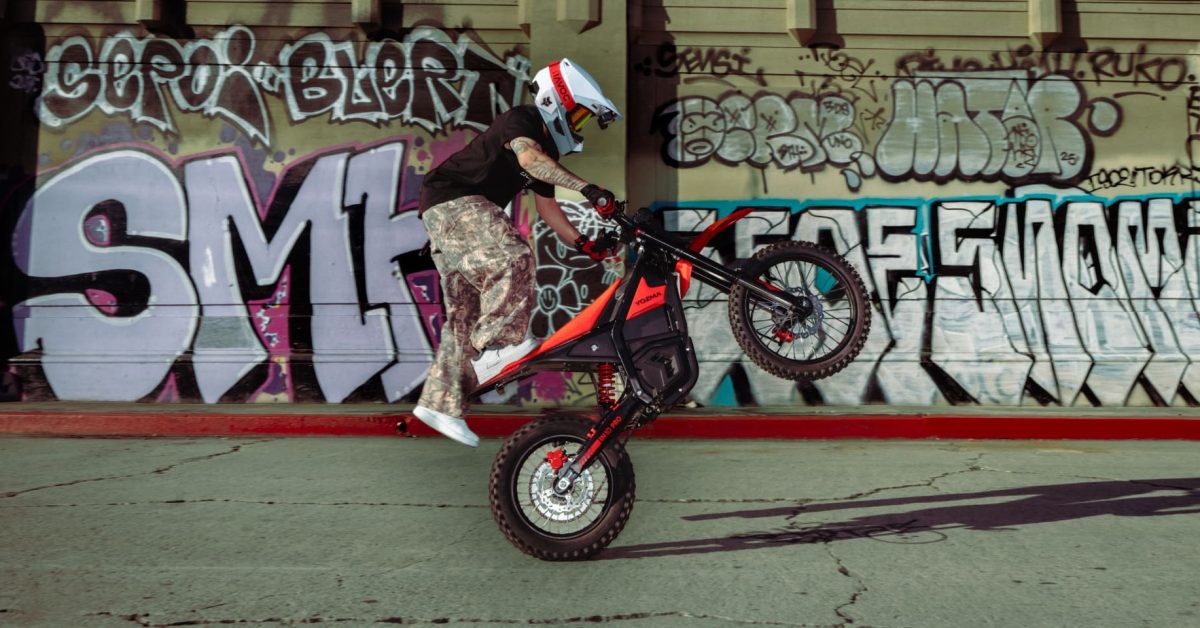
The line between electric bicycles and electric motorcycles has been getting increasingly blurry – though perhaps not because the vehicles themselves are actually that hard to tell apart. Instead, much of the confusion comes down to terminology. High-powered electric dirt bikes capable of reaching motorcycle-like speeds are increasingly being referred to as “e-bikes,” despite sharing relatively little with the low-speed electric bicycles millions of Americans use for commuting and recreation. Now the U.S. bicycle industry is asking federal regulators to make that distinction much clearer. PeopleForBikes, the bicycle industry’s leading trade association, recently testified before the U.S. Consumer Product Safety Commission (CPSC), calling for stronger federal regulations that specifically distinguish electric bicycles from higher-powered e-motos and electric dirt bikes. “E-bikes and e-motos are fundamentally different products, and federal safety regulations need to reflect that distinction,” explained PeopleForBikes Policy and General Counsel Matt Moore. “When high-powered electric dirt bikes are marketed as e-bikes, it creates confusion for consumers and puts the credibility of legitimate e-bikes at risk.” The Lectric XP4 is typical of a street-legal electric bicycle, unlike e-motos that greatly exceed electric bicycle limits There’s a real nomenclature problem hiding underneath all of this. The term “e-bike” is widely used as shorthand for “electric bicycle,” but it isn’t exclusively used that way. Motorcycles have been called “bikes” for generations, and motorcycle media and riders will sometimes casually refer to electric motorcycles as “e-bikes” too, just in the way a biker refers to his Harley as his “bike”. In fact, it all comes from the same root. We don’t call motorcyclists “motorists”, do we? No… we call them “bikers”. All of that makes phrases like “legal e-bike” and “legitimate e-bike” that were even used by PeopleForBikes in its arguments somewhat problematic when discussing proposed regulation. The term “e-bike” simply doesn’t mean anything specific, at least not legally. What actually matters from a legal standpoint is whether a vehicle meets the codified definition of an electric bicycle, not whether someone calls it an e-bike – especially when the term e-bike is practically applied so broadly. In other words, perhaps part of separating electric bicycles from e-motos is being more precise with the terminology ourselves: “electric bicycle” has a specific regulatory meaning, while “e-bike” has increasingly become a much fuzzier colloquial term. As much as some would want the term “e-bike” to mean something with pedals, it simply doesn’t – at least not in North America. I’m certainly guilty of this myself in my writing and videos, falling back on the commonly used phrasing instead of the technical legal terminology, but keeping them separated could help with the growing misunderstanding in the industry. Legal electric bicycles are a far cry from e-motos, but the terminology can often get mixed up That distinction has become increasingly important as lightweight electric motorcycles and dirt bikes have exploded in popularity. Many feature bicycle-like frames and components, and some even include pedals, but their performance can extend far beyond what federal law defines as a low-speed electric bicycle. The concern goes beyond mere semantics. When a 50-60 mph (80-100 km/h) electric dirt bike gets lumped into the same category as a 20-28 mph (32-45 km/h) commuter e-bike, crashes and reckless riding involving the former can quickly become part of the public conversation surrounding the latter. That can ultimately influence how lawmakers, regulators, police departments, and the general public view e-bikes as a whole. In fact, many of the supposed electric bicycle crash figures we’ve seen touted in the news aren’t from electric bicycles at all, but rather from e-moto accidents that have been lumped in with electric bicycles, making the latter appear more dangerous than they truly are. If street-legal electric bicycles were separated from e-motos in crash statistics, the category would be revealed to be much safer than conventional reporting would have us believe. E-motos like this Annioki A9 can sometimes look similar to electric bicycles, despite hiding much higher performance All of this and more has led to PeopleForBikes pushing federal regulators to draw a clearer line. As part of its CPSC testimony, the organization recommended retaining the existing federal definition of a low-speed electric bicycle while creating a separate definition for e-motos, including machines capable of speeds up to 60 mph (96 km/h). It also called for mandatory electrical safety standards for off-road e-motos, which it says currently fall into a regulatory gap, as well as greater scrutiny of conversion kits capable of turning conventional bicycles into vehicles operating beyond their original structural design limits. The testimony came as the CPSC considers new mandatory federal battery safety standards for e-bikes and other electric mobility devices. PeopleForBikes says it supports stronger battery standards, while recommending that regulators rely on existing UL standards without modification. PeopleForBikes is also asking the CPSC and National Highway Traffic Safety Administration to coordinate enforcement against e-motos that evade federal requirements. None of this means e-motos are inherently bad. They’re incredibly fun machines, and there’s a rapidly growing market for them. But a 60 mph (96 km/h) electric dirt bike isn’t an electric bicycle simply because it looks vaguely like one. And increasingly, the bicycle industry wants regulators to make sure everyone understands the difference. E-motos like the Juiced Nomadix can be great fun, but are meant to be used off of public streets. Keep it in the dirt! FTC: We use income earning auto affiliate links. More.
Electric dirt bikes keep getting called e-bikes. The bicycle industry wants that to stop
Full Article
Original Source
Read the full article at Electrek →KhanList aggregates and links to publicly available news content. We do not host full articles from third-party sources. Always verify important information with original sources.