
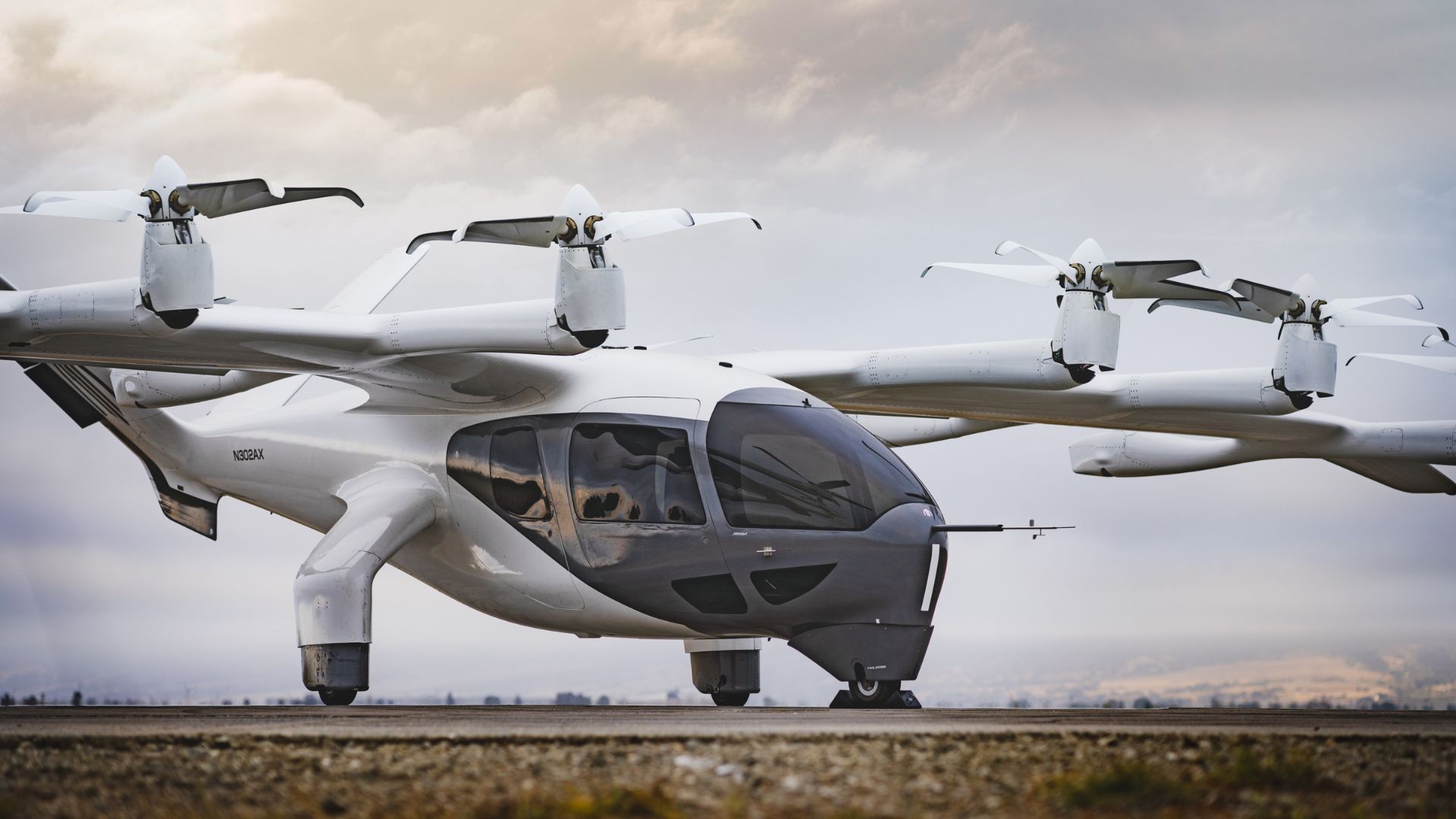
Electric air taxis have moved steadily toward commercial service, but charging infrastructure remains one of the industry’s biggest missing pieces. A new U.S. initiative aims to close that gap by building a shared network of up to 250 charging sites for next-generation aircraft over the next decade. Archer Aviation, BETA Technologies, and Macquarie Capital are behind the effort, called America’s Consortium for Electric Skyways (ACES). The partners plan to electrify up to 250 aviation sites across the United States, focusing on airports and future vertiports in major metropolitan areas where commercial electric vertical takeoff and landing (eVTOL) operations are expected to emerge. Solving infrastructure bottlenecks Early deployment will focus on metropolitan regions where commercial air taxi services are expected to launch first, including California, Texas, Florida, and New York. Every site will use charging equipment built around the Combined Charging Standard (CCS), an open protocol that has already gained broad support across the eVTOL industry. Choosing a common standard means aircraft from multiple manufacturers can plug into the same charging network. The model avoids fragmented infrastructure and could lower deployment costs as electric aviation expands across the United States. The charging network is designed for shared use across different types of electric aviation operations like cargo operators and passenger aircraft, eliminating the need for separate infrastructure. BETA Technologies will provide the charging hardware. Archer Aviation plans to use the network for its future passenger services, while Macquarie Capital is working on the financing needed to acquire sites and develop the facilities. Consortium leaders expect additional industry participants to join as the charging network expands into new markets. Supporting advanced air mobility The initiative supports the Federal Aviation Administration’s eVTOL Integration Pilot Program, which selected Archer and BETA to help prepare advanced air mobility for commercial operations in the United States. Dan Edwards, Principal Deputy Assistant Secretary for Aviation and International Affairs at the U.S. Department of Transportation, said commercial electric aviation depends on more than certifying aircraft. He said a network of interoperable charging sites will help establish the infrastructure needed for long-term operations while strengthening the country’s leadership in advanced aviation. Archer founder and CEO Adam Goldstein said electric air taxi services cannot scale without dependable charging infrastructure. He said locating interoperable chargers in planned operating markets allows multiple operators to share the same network and distribute infrastructure costs across the industry. Beyond passenger flights The charging network will support more than passenger transportation. Archer expects to use the infrastructure during peak operating periods, while BETA’s commercial customers can access the same chargers for cargo flights and medical transport. Airport ground support vehicles compatible with the CCS standard will also be able to use the charging network, extending its role beyond aircraft. The shared infrastructure model could help airports accommodate multiple electric vehicle types without building separate charging systems. BETA founder and CEO Kyle Clark said interoperable chargers built on an open standard provide nearly all the physical infrastructure needed for advanced air mobility. Macquarie Capital Managing Director David Farkas said the consortium combines aviation expertise, charging technology and infrastructure financing to create a national network that any eVTOL manufacturer can use while establishing a model for future urban air mobility projects.Recommended ArticlesGet the latest in engineering, tech, space & science - delivered daily to your inbox.Aamir is a seasoned tech journalist with experience at Exhibit Magazine, Republic World, and PR Newswire. With a deep love for all things tech and science, he has spent years decoding the latest innovations and exploring how they shape industries, lifestyles, and the future of humanity.
Electric air taxi charging network to reach 250 US aviation sites by 2030
Full Article
Original Source
Read the full article at Interestingengineering →KhanList aggregates and links to publicly available news content. We do not host full articles from third-party sources. Always verify important information with original sources.