
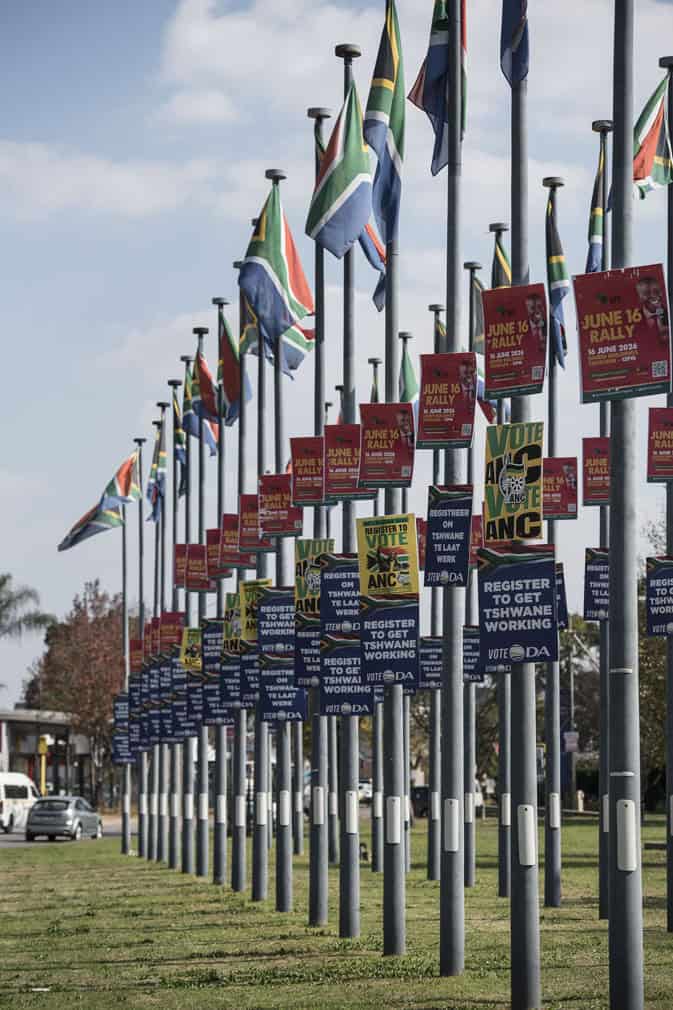
What happens when communities stop waiting for political parties to save them and start issuing their own terms and conditions. As South Africa heads to the polls in the local government elections, a familiar fatigue has settled over the electorate. We cast our ballots, hand over the keys to the municipal offices, and brace ourselves for a political roller coaster where accountability is an afterthought and service delivery feels like a distant dream. Yet, beneath the surface of institutional weariness, a quiet revolution is taking shape on the ground. LIVE interactive map, latest news, multimedia and more! View Map Speaking at the Futures of Democracy convening at the Nelson Mandela Foundation, Noxolo Mfocwa from My Vote Counts unpacked a different approach to citizen power: what happens when communities stop waiting for political parties to save them and start issuing their own terms and conditions. The reverse manifesto For decades, the standard electoral ritual has involved political parties descending upon neighbourhoods with glossy pamphlets, sweeping promises, and manifestos designed to be forgotten the morning after the vote. Now, grassroots organisations are turning that model on its head. Through community manifesto templates developed with partners like ACT Ubumbano, communities are sitting down to organise and draft their own priorities. “It’s the opposite of a manifesto from a political party,” Mfocwa told The Citizen. “It’s like, ‘Yeah, we see your manifesto, but let’s give you our manifesto that says this is what we want, these are the terms and conditions.'” These community manifestos include clauses on the right to recall, strict reporting timelines, and direct accountability. In a town hall setup, residents present the document to local candidates: “Are you willing to commit? If you are, we are willing to vote as a block because there are 1 000 of us who have signed on to this and endorsed it.” It is a pragmatic way to weaponise self-interest. As the discussion highlighted, if politicians’ children went to public schools or relied on public hospitals, “in their own self-interest, they wouldn’t want to go to a shi**ty school… they wouldn’t let their kids go into that.” By tying a block vote directly to community-driven manifestos, citizens force politicians to deliver on tangible local needs rather than empty party lines. The core message from the Futures of Democracy dialogues is stark: democracy does not end at the ballot box. “Our main problem over the past 80 years has been that we think once we are done voting, everything will work,” Mfocwa reflected. “I think history has proven that, in fact, things fall apart when we look away… If we want this democracy to work, we need to participate.”
Elections 2026: We’ve heard their manifestos, now it’s time for them to hear ours
Full Article
Original Source
Read the full article at Citizen →KhanList aggregates and links to publicly available news content. We do not host full articles from third-party sources. Always verify important information with original sources.