
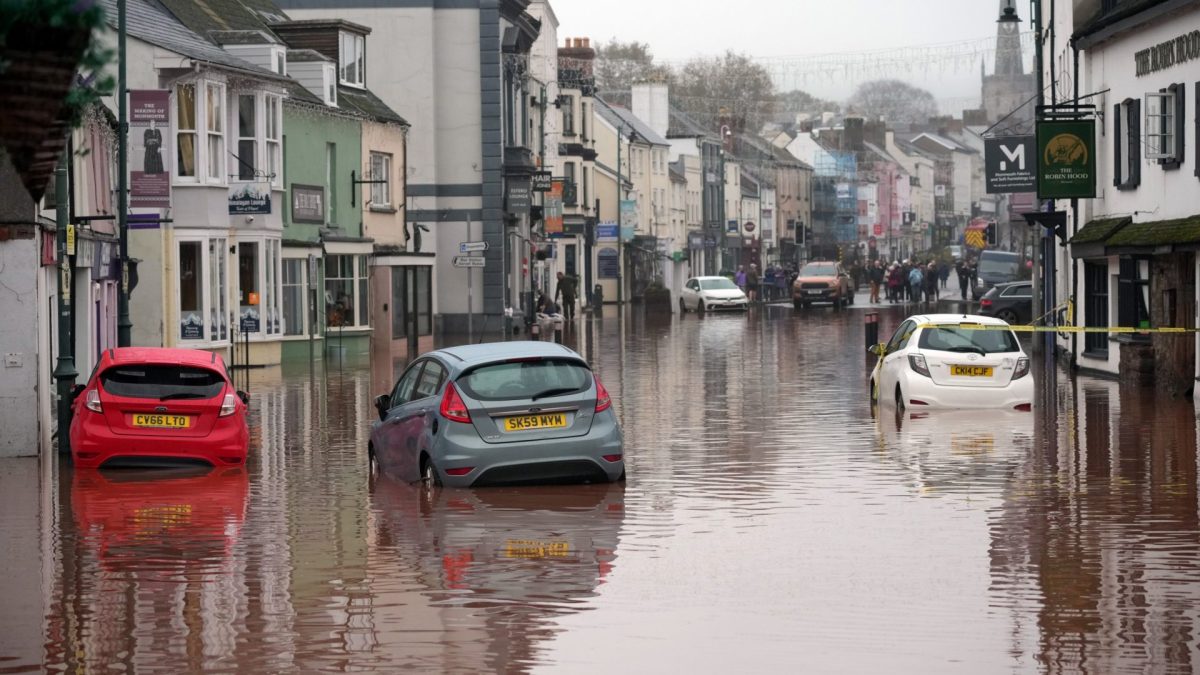
Assistant opinion editor at The i Paper. His writing has appeared in British Esquire, the Guardian, the Financial Times, the Daily Telegraph and Wired magazine Climate change will unleash ever greater wind and rainfall on us, and with the strongest El Niño weather pattern in living memory threatening heavy rain and wind this winter, I’m looking to batten down the hatches of my home. The problem is that, like most people at the moment, I don’t have a huge amount of spare cash to spend on stormproofing. So measures like digging up the patio and replacing it with grass, raising the plug sockets away from potential floodwater or having a separate electrical circuit for upper and lower floors aren’t really an option. The Association of British Insurers’ flooding and storm preparedness survey revealed that one in 10 UK adults have experienced flood or storm damage in their current home – and 45 per cent said that they wish they had taken more steps to mitigate against it. Flooding, falling tree branches, blown-down fences, roof tiles thrown every which way: the cost of putting storm damage can be steep, and it’s getting worse. The average storm damage payout jumped by 44 per cent to £2,450 last year while the average flood claim increased by 60 per cent to £30,000, according to the ABI. Indeed, homes in some areas risk becoming uninsurable. Still, if your pockets aren’t particularly deep, “a number low-cost measures can be extremely effective and are well worth doing”, Ian Biddlestone, a partner at the Bruton Knowles chartered surveyor, told me. “These include clearing your gutters and drains, buying door and window seals to prevent wind and rain entering your homes and inspecting your fence and gates to make sure that they are not at risk of collapsing,” he said.Further recommendations, from Mark Shepherd, Head of General Insurance Policy at the ABI, include “securing loose garden furniture, trimming overhanging branches and checking your roof for any loose tiles can all help make your property more resilient to severe weather and reduce the risk of damage.” An ABI survey found that 84 per cent of Brits had taken some measures to protect their home but many had missed some of the cheapest and most effective ones, perhaps in the belief that they were too simple to really make much difference. More than half, for example, haven’t unblocked their drains and gutters – which you can do for free if you have a ladder. (But please make sure you’re careful.) Alternatively, a professional gutter cleaner will typically charge around £50 to £120 for a small terraced house rising to around £130 for a larger detached property, according to the Checkatrade website. And if you have a regular window cleaner they can probably do it cheaper for you next time they’re round. It’s a good idea to get this done once or twice a year as gutters and downpipes clogged with leaves and debris often overflow and flood. When it comes to protecting against damage caused by the wind, clearing overhanging or loose branches near the home is another effective measure that is vastly under-utilised, according to the ABI. If the tree isn’t on your land, contact the owner – it could be a neighbour or the council. If you can’t do it yourself, most tree surgeons charge between £180 and £250 a day which should be more than enough for most smaller jobs involving the removal of a few threatening branches but the removal of whole trees could be considerably more. Britain’s foremost flood resilience champion, Mary Long-Dhonau, has an OBE for services to flood risk management. She has some good, cheap tips of her own too. “To prevent wastewater backing up through your ground-floor toilets and sinks, put a tightly knotted double thick bin liner filled with sand or soil into your loo,” she advises. “Make sure it’s big enough that it doesn’t go down the loo and heavy enough that it will stay in place. Or, if you have a deflated small children’s football, push that in the bottom of the toilet bowl and if possible, pump it up again.” Long-Dhonau also suggests putting plugs in sinks and weighing them down. Airbricks – also known as ventilation bricks or air vents – are found in millions of homes, especially those built before 1940. They are designed to let air into enclosed spaces, such as underfloor areas and wall cavities. But they will also let in a lot of floodwater. If you have airbricks, you should also invest in anti-flood airbrick covers, Long-Dhonau says. These can cost as little as £5 each. If you don’t manage to get an airbrick cover by the next heavy rainfall you can cover them with wide aluminium tape instead, Long-Dhonau says – with a roll costing as little as £10. Water butts, meanwhile, are cheap – you can pick up a 200 litre one for around £30 – and slow down the rate that water flows into drains and sewers, meaning flooding is less likely. These changes may all seem like small fry next to the power of an El Niño storm. But they can make thousands of pounds’ worth of difference to your home.
El Niño is coming – this £50 stormproofing hack could save you thousands
Full Article
Original Source
Read the full article at Inews →KhanList aggregates and links to publicly available news content. We do not host full articles from third-party sources. Always verify important information with original sources.