
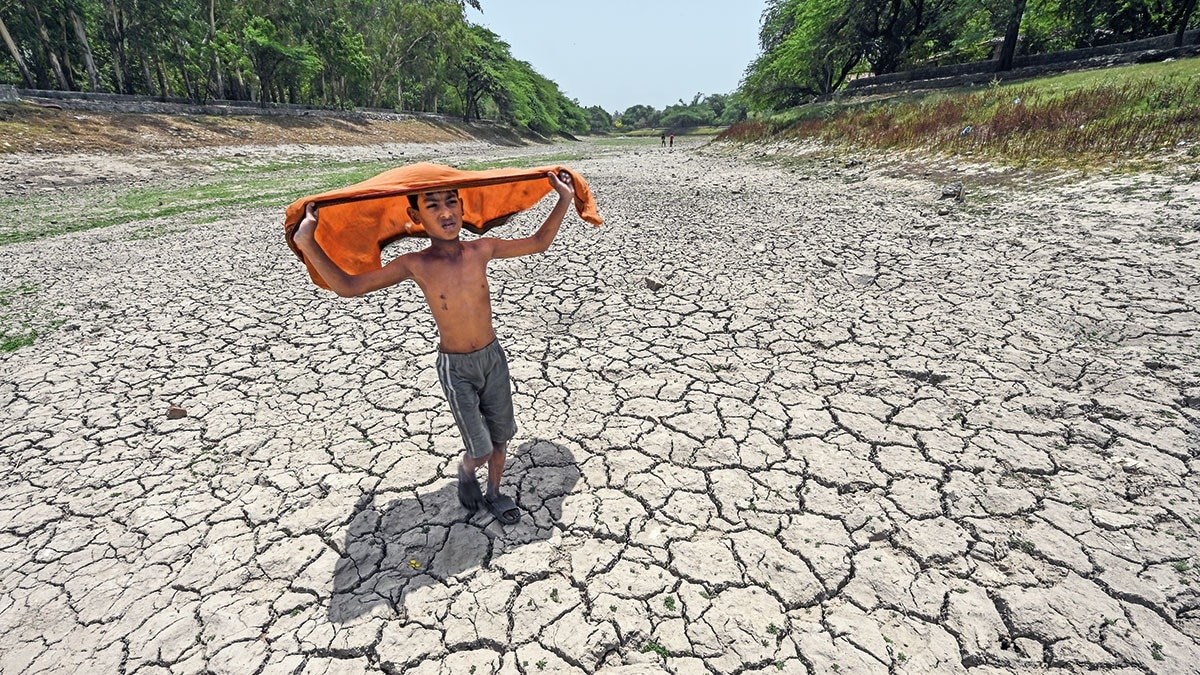
The El Nino climate phenomenon is expected to intensify further, peak in December and persist until February 2027, raising the risk of unusual heat and disrupted rainfall across the world, the World Meteorological Organisation (WMO) has said.“WMO forecasts indicate a near-100% likelihood that it [El Nino] will persist through February 2027, potentially being one of the strongest since at least 1950,” WMO Secretary-General Celeste Saulo said in a statement accompanying the agency’s monthly climate bulletin. An aerial view of the Alegria lagoon affected by dry conditions fuelled by El Nino. (Photo: Reuters) The forecast comes as temperatures in the Pacific Ocean, where the phenomenon develops, are expected to reach unprecedented levels.PACIFIC OCEAN IS BREAKING RECORDSSea surface temperatures in the central and eastern tropical Pacific, which is the region at the heart of El Nino, are forecast to rise to 3.7°C above normal between October and December, according to the WMO. This would surpass the previous record of 2.6°C recorded between November 2015 and January 2016.“The ocean it’s drawing from is the warmest we’ve ever measured it. There is simply more heat available to release,” Saulo said. (Source: NOAA/Climate Reanalyzer) Separately, Japan’s Meteorological Agency said on Friday, October 9, that El Nino had strengthened to its most powerful level on record since September, with a 100% chance of the phenomenon persisting through the Northern Hemisphere winter.Sea surface temperatures in the El Nino monitoring region were 4°C above the long-term average in September, the highest level since records began in 1949, the agency said.El Nino is a naturally occurring climate pattern marked by unusually warm surface waters in the central and eastern tropical Pacific. It typically develops every two to seven years and can influence weather patterns far beyond the ocean where it begins.EXTREME HEAT AND WEATHER SWINGS AHEADEl Nino tends to raise global temperatures and shift rainfall patterns, increasing the risk of drought in some regions and heavy rain in others.The WMO expects above-average temperatures across much of the world as the phenomenon strengthens, with climate impacts continuing into 2027. An aerial view of cows grazing in a pasture affected by prolonged dry conditions in El Salvador. (Photo: Reuters) The warning comes amid exceptionally high global temperatures, with the European Union’s Copernicus Climate Change Service (C3S) reporting that the global average temperature in August reached 16.96°C, matching July 2023 as the hottest month on record.The potential human toll could also be significant as a result of the rapidly warming ocean.This year’s “super-El Nino” could lead to as many as 4,51,000 excess deaths worldwide between June 2026 and February 2027 because of related climate impacts, researchers at the University of Chicago’s Climate Impact Lab have projected. A patch of a warm Pacific Ocean is captured by a satellite image. (Photo: Windy) With the event expected to strengthen through December and persist into early 2027, its effects on heat, rainfall, agriculture and water supplies will remain important to monitor.- Ends
El Nino breaks record: WMO warns it could become strongest ever on Earth
Full Article
Original Source
Read the full article at Indiatoday →KhanList aggregates and links to publicly available news content. We do not host full articles from third-party sources. Always verify important information with original sources.