
I have never been someone who likes looking back. I’m always much more interested in what’s next and that, you may be surprised to hear, is how I have approached curating The 90s: Art and Fashion.Read MoreI was having lunch with Maria Balshaw, an old friend and the former director of Tate, and told her we should do something together one day. She said she had the perfect idea: the 1990s. I was there and part of the whole scene, becoming fashion director of i-D in 1991, when I was 18, and within two seconds I had said yes. I knew I wanted to tell the story through my eyes and to look back in order to look forward.The exhibition, put together with the help of the fantastic team at Tate Britain, opens today, bringing together more than 200 works across art, photography, film and fashion.It is not a greatest-hits version of the decade, because the 1990s were about far more than the YBAs and Cool Britannia. Of course Damien Hirst, Tracey Emin, Sarah Lucas and others from that extraordinary wave are here, but it was just as important to give space to artists such as Sonia Boyce, Maud Sulter, Steve McQueen and many others making work with the same urgency but without always receiving the same institutional attention.I grew up in nightclubs and so did so many of the photographers, designers, artists and editors whose outputs appear in the exhibition and this issue. But it wasn’t all CDs and going to parties. It was very political. We were living through HIV and Aids and asking who was allowed into certain rooms and who wasn’t. As a young black man working in fashion, I understood very clearly that many of the spaces I wanted to enter had not been built with people like me in mind and a generation of outsiders had to find their way in and start changing those spaces from within.You can see all of that in the work: Corinne Day and Juergen Teller replacing polish with something rawer and more intimate; Alexander McQueen and Hussein Chalayan breaking apart ideas of what fashion could be; Chris Ofili and Yinka Shonibare confronting questions of race, identity and Britishness; Hamad Butt responding to the Aids crisis. All of this was constantly colliding.I wanted to capture that same feeling in this special issue of The London Standard — and many of those who were there with me have contributed. Simon Mills looks at the political and social breakthroughs that changed Britain for ever, Paul Flynn remembers what it meant to be gay in the 1990s and Teller looks back at his extraordinary pink-haired photograph of Kate Moss. We also continue to look at the now, as Maddy Mussen asks why Gen Z has become so obsessed with New Labour.I would love for you to head down to Millbank and see the exhibition for yourselves. Many of the people featured were young, working-class or simply people who had to use art as their currency. That, more than nostalgia, is what I wanted this exhibition and this issue to be about. I hope you enjoy.The 90s: Art and Fashion at the Tate runs from October 8, 2026 to February 14, 2027. Book tickets here
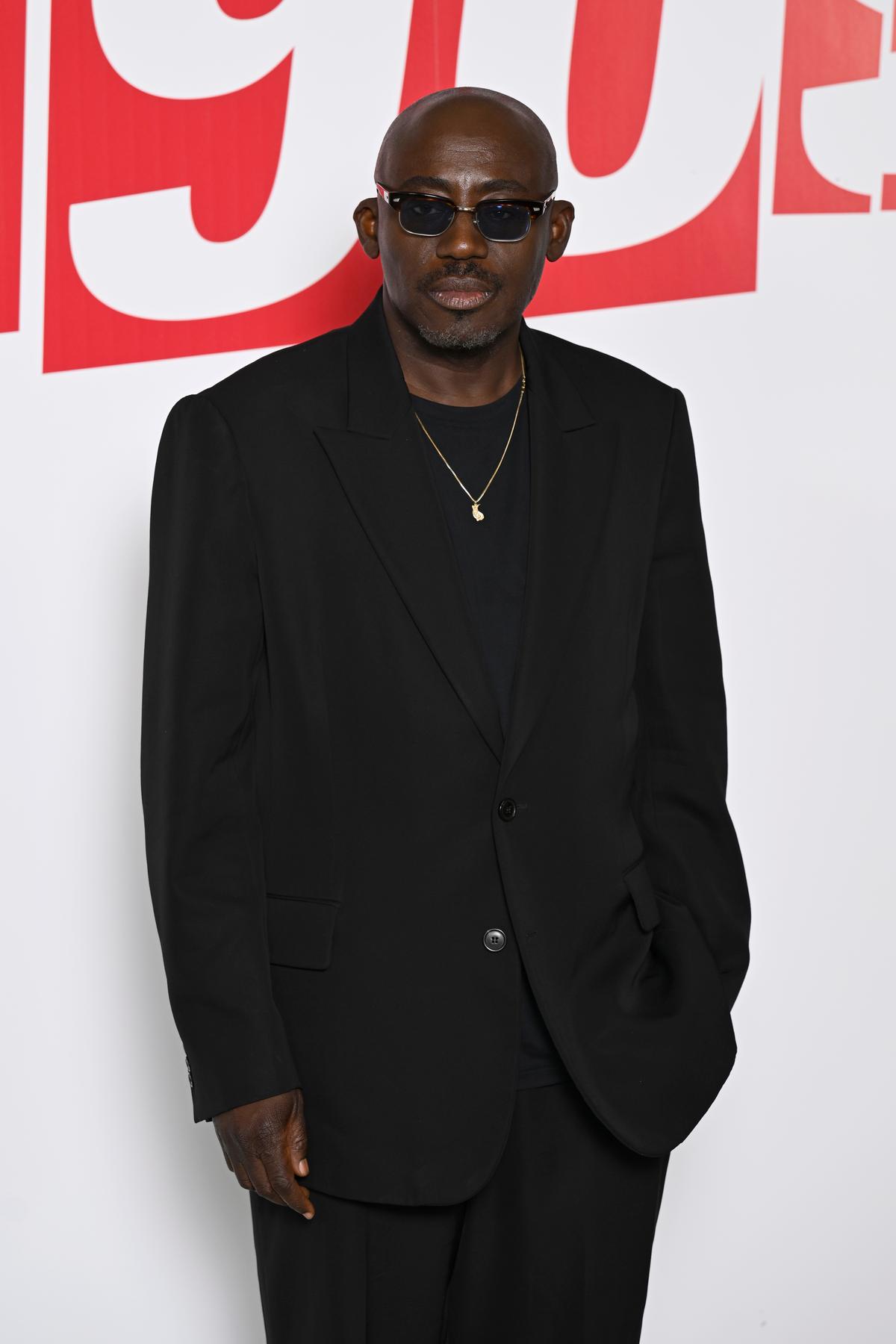
Edward Enninful introduces the 90s issue in his own words
Full Article
Original Source
Read the full article at Standard →KhanList aggregates and links to publicly available news content. We do not host full articles from third-party sources. Always verify important information with original sources.