
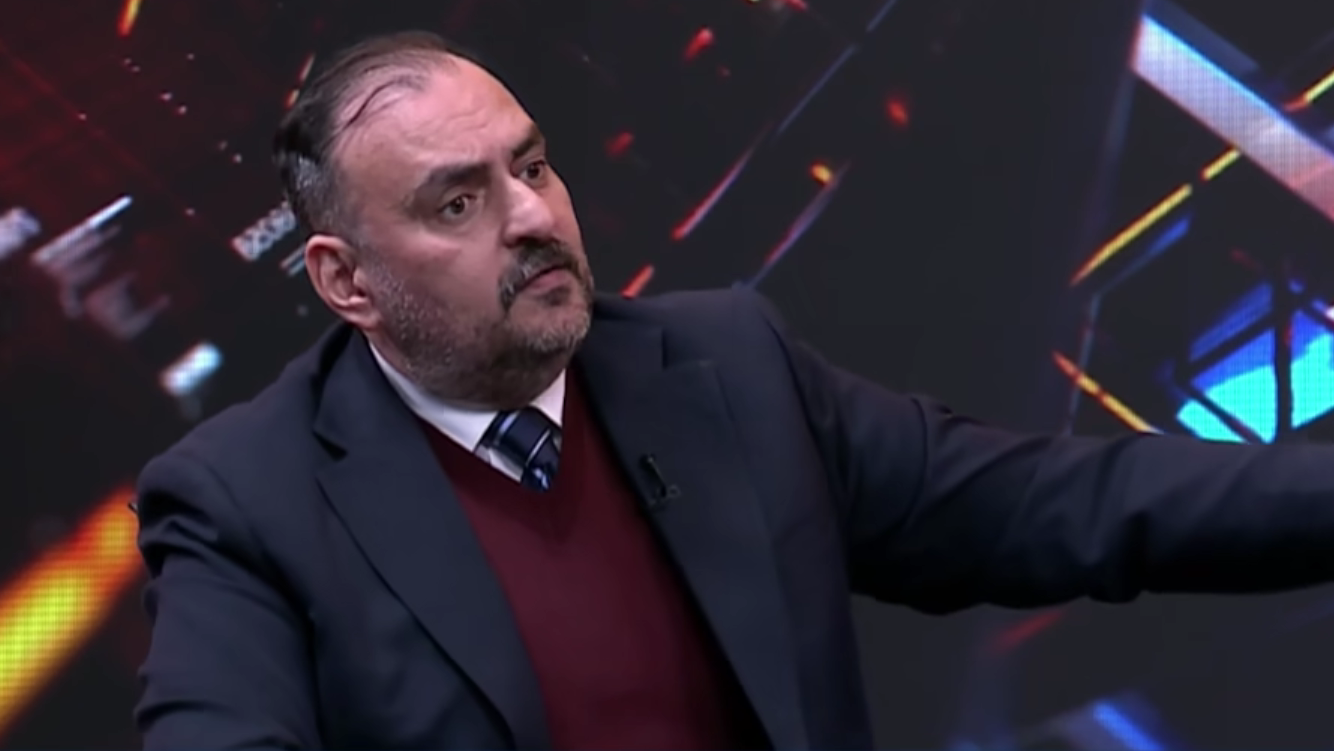
Manar Al-Obaidi, Iraqi economic expert, discussing trade policy. Baghdad (IraqiNews.com) – Iraqi economist and Iraq Future Foundation director Manar Al-Obaidy has defended Prime Minister Ali Faleh Al-Zaidi’s decision to unify customs tariffs at a flat 5% rate, arguing on Sunday, November 29, 2026, that curbing inflation and easing living costs must take precedence over protecting domestic industry in the current economic climate. In an analytical post published on his official Facebook page, Al-Obaidy framed the tariff reform—scheduled to take effect on December 1, 2026—around a core policy principle: “priority of impact, not majority of impact”. He noted that no economic policy is universally positive or negative, as every measure designed to correct a specific distortion inevitably creates side effects for other sectors. Consequently, Al-Obaidy argued, economic decisions should not be judged merely by counting winners and losers, but by identifying the single most urgent structural threat they are intended to address. Identifying inflation as Iraq’s most pressing economic challenge today—driven by overlapping domestic and external pressures that directly erode citizens’ purchasing power—Al-Obaidy maintained that any policy capable of lowering prices or slowing inflationary momentum must supersede competing considerations. Accepting temporary negative side effects on specific domestic sectors, he explained, is a necessary trade-off behind the government’s latest customs tariff adjustment. Al-Obaidy emphasized that this policy posture is temporary and strictly tied to prevailing economic conditions. Once inflation is brought under control and price pressures subside, Baghdad will be positioned to pivot toward secondary economic priorities, specifically: Improving Iraq’s trade balance Supporting and protecting domestic manufacturing Expanding non-oil public revenues Rejecting claims that shifting tariff rates reflects policy contradiction or confusion, Al-Obaidy pointed out that countries navigating volatile geopolitical conditions routinely review and recalibrate their economic policies to shield citizens from external shocks. Locking into rigid policies amid rapidly changing circumstances is the real mistake, he argued, whereas continuous adjustment represents standard economic governance. Conceding that domestic industrialists have every right to voice objections and that the state is obligated to listen, Al-Obaidy concluded that constructive debate must begin with a shared consensus on tackling inflation first, followed by targeted mechanisms to mitigate losses for affected local producers.
Economist Al Obaidy backs Iraq’s flat 5% customs tariff
Full Article
Original Source
Read the full article at Iraqinews →KhanList aggregates and links to publicly available news content. We do not host full articles from third-party sources. Always verify important information with original sources.