
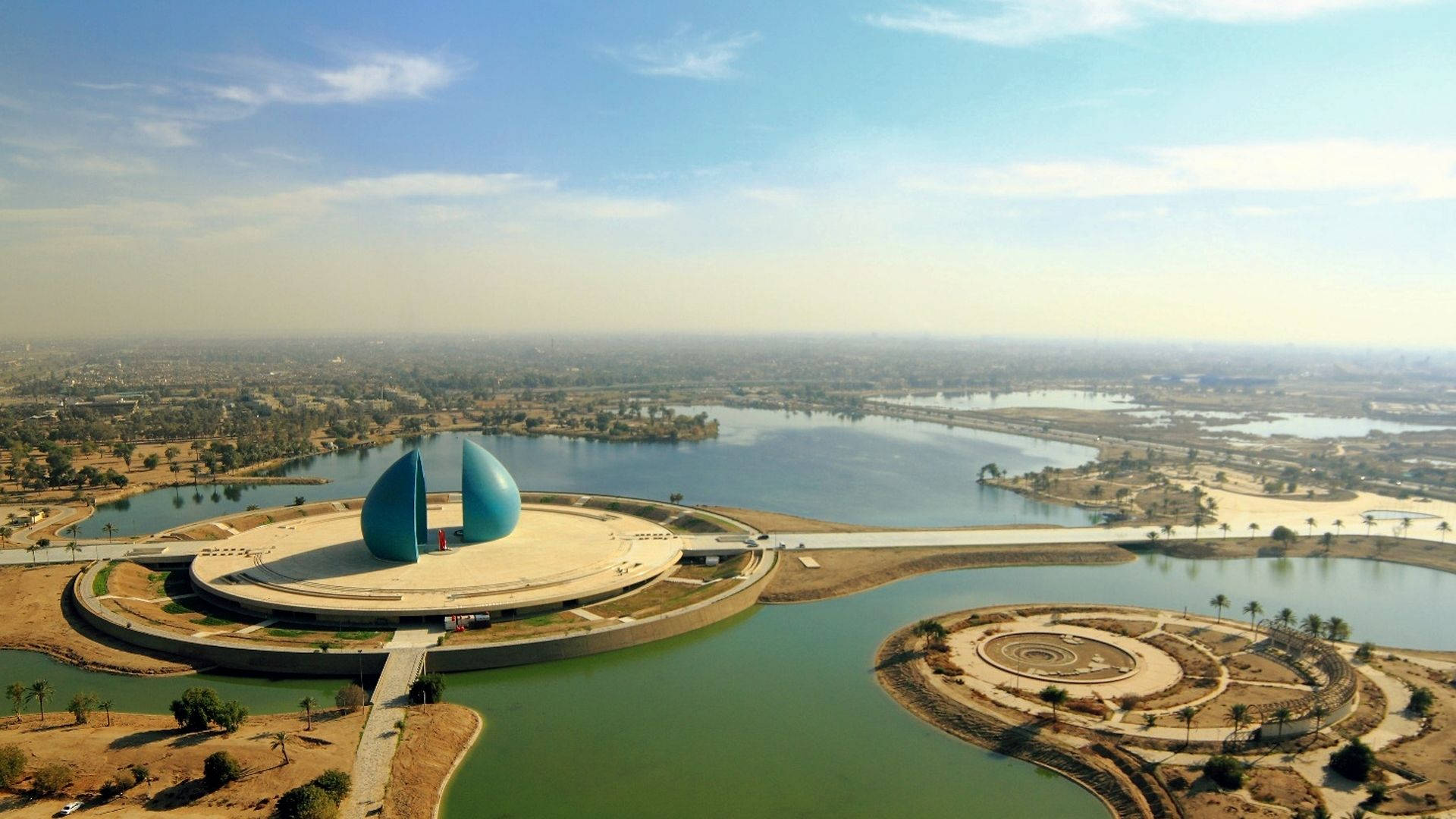
An aerial view of the Iraqi capital, Baghdad. Baghdad (IraqiNews.com) – Iraqi economic expert Nabil Al-Marsoumi warned on Sunday, November 1, 2026, against the federal government’s reliance on “unrealistic projections” to estimate revenues for the 2027 sovereign budget—the largest in Iraq’s history at over 174 trillion Iraqi dinars ($114.6 billion). Al-Marsoumi argued that the fiscal calculations rely on unattainable baselines, including crude export targets of 4 million barrels per day (bpd), optimistic collections from domestic refineries, and an aggressive doubling of non-oil revenues. In an analysis published on his official social media channels, Al-Marsoumi laid out the structural components of the projected 174.233-trillion-dinar fiscal revenue framework: Total Non-Oil Revenues: 29.513 trillion dinars Total Hydrocarbon Revenues: 144.720 trillion dinars Crude export sales: 127.020 trillion dinars Crude sales to domestic refineries: 17.000 trillion dinars Mineral and associated resource sales: 700 billion dinars Al-Marsoumi noted that aggregate revenue projections for 2027 surpass those in the previous three-year budget framework by roughly 40 trillion dinars and exceed actual realized revenues from 2025 by nearly 50 trillion dinars. He highlighted critical vulnerabilities underpinning these revenue assumptions: Unrealistic Export Baselines: The petroleum calculations assume export volumes of 4 million bpd at a benchmark price of $58 per barrel. Actual federal exports currently stand near 3 million bpd, while the projection assumes the Kurdistan Regional Government (KRG) will deliver 400,000 bpd to the State Organization for Marketing of Oil (SOMO)—a premise Al-Marsoumi described as detached from operational reality. Refinery Collections Deficit: Realizing 17 trillion dinars from crude supplies to domestic refineries is implausible following government decisions to reinstate subsidized industrial fuel pricing, which slashed heavy fuel oil (black oil) tariffs for construction materials plants from 500,000 dinars down to 100,000 dinars per ton. Pressure on the Non-Oil Tax Base: The budget sets non-oil income at double the actual receipts recorded in 2025. Al-Marsoumi cautioned that attempting to capture 29.5 trillion dinars through fee hikes, customs levies, and stepped-up tax collection will merely squeeze the existing commercial base rather than broaden the productive economy, transferring severe inflationary burdens onto citizens.
Economist Al Marsoumi warns of flawed assumptions in 2027 budget
Full Article
Original Source
Read the full article at Iraqinews →KhanList aggregates and links to publicly available news content. We do not host full articles from third-party sources. Always verify important information with original sources.