
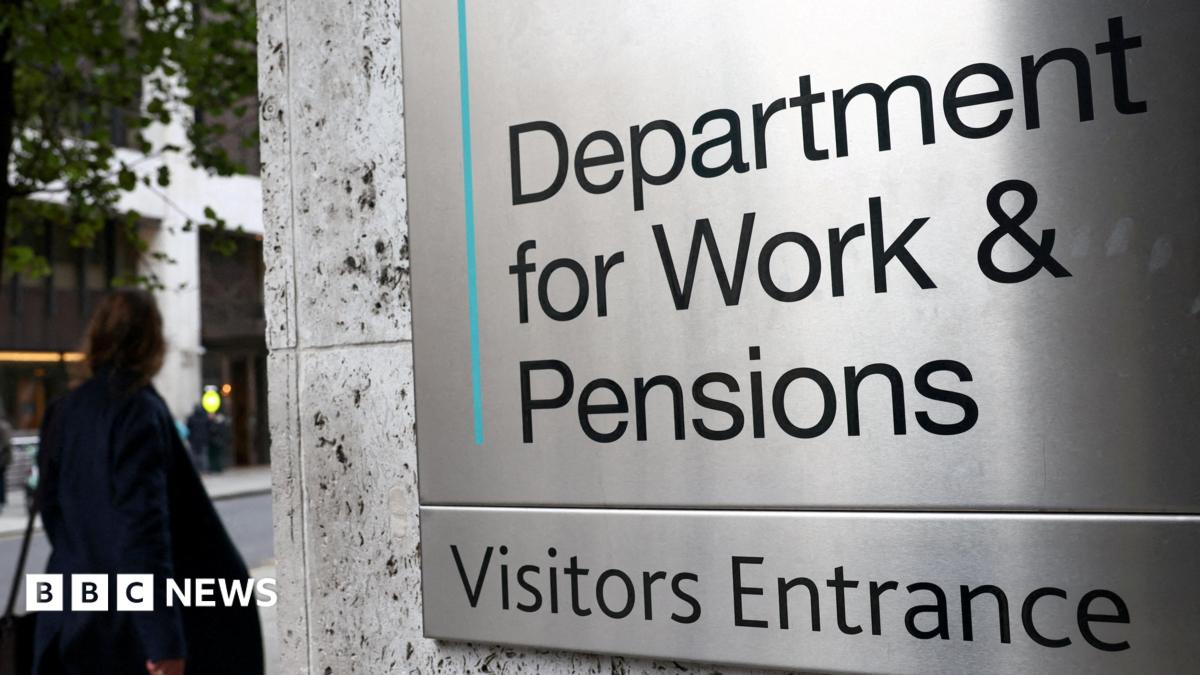
The Department for Work and Pensions (DWP) has confirmed the cyber incident affecting pension and benefit systems was an attack and not accidental. Work and Pensions Secretary Pat McFadden said there had been an "unauthorised attempt to gain access to DWP systems".Online benefits and pensions services were still down on Saturday after the incident forced the government to take them offline.The government has assured benefits recipients and pensioners that usual payments will continue to be made after some claimants reported delays, but it is understood the department believes delays were not linked to the incident.On Saturday, McFadden, who was alerted to the incident overnight between Thursday and Friday morning, said: "It's right that we took our time to try and identify what happened."He said the first step had been to take systems offline to protect the public and their personal data. There is no evidence of personal details being compromised, he added.The DWP said it had "well-rehearsed plans for these scenarios, which were immediately implemented".It is not yet known when services will be restored, with McFadden saying it would be done "as soon as possible"."We will not put services back online until we have made sure that it's safe to do so," he added."It would be a mistake to rush to do that if we weren't sure that those systems were safe."Addressing the issue of delays, McFadden said payments were cleared several days in advance, so if anyone did not receive a payment on Friday, it is not thought to be linked to the attack.He advised those people to contact the department during operating hours to discuss their payment.Experts from the National Cyber Security Centre and Government Cyber Co-ordination Centre are working to understand the cause of the attack.As the investigation progressed, experts were able to confirm the incident was not accidental."We want to reassure customers that regular benefit and pension payments will continue to be paid as normal, while our teams work at pace to safely restore online services for the public," the DWP spokesperson said.Customers "should remain vigilant to scams and remember that DWP will never ask for personal or financial information by text message or email or ask them to click on links" they added.Scammers may seek to take advantage of the cyber-attack by sending what appear to be official messages.Lisa Webb, a legal expert at consumer magazine Which? warned people to be wary of unexpected messages they receive in the coming days and weeks - especially if they are claiming to be from the DWP or their bank."If you're ever unsure who you're speaking with, end the conversation immediately and contact the company directly. You can dial 159 to speak to your bank's fraud team or use the number on the back of your card," she said.The breach is the latest in a series of cybersecurity incidents to hit the UK, and has fuelled concerns about the vulnerability of state computer systems and whether security protocols are keeping pace with demand and advances in AI technology, which can be used to aid hackers.Earlier this month, a number of UK meat suppliers said their fridges heated up overnight as they were affected by hacks targeting software used by supermarkets across Europe.In recent weeks, fashion retailers Next and Asos have both separately flagged incidents that saw unauthorised access gained to some data.Shadow work and pensions secretary Helen Whately said the attack was "extremely concerning and it must be treated with the utmost seriousness". "Cyber security is vital to our national security," she added. "The Labour government must do more to protect against increasingly frequent cyber attacks and ensure our systems are resilient to these threats."
DWP confirms confirms cyber attack forced it to take pension and benefits systems offline
Full Article
Original Source
Read the full article at Bbc →KhanList aggregates and links to publicly available news content. We do not host full articles from third-party sources. Always verify important information with original sources.