
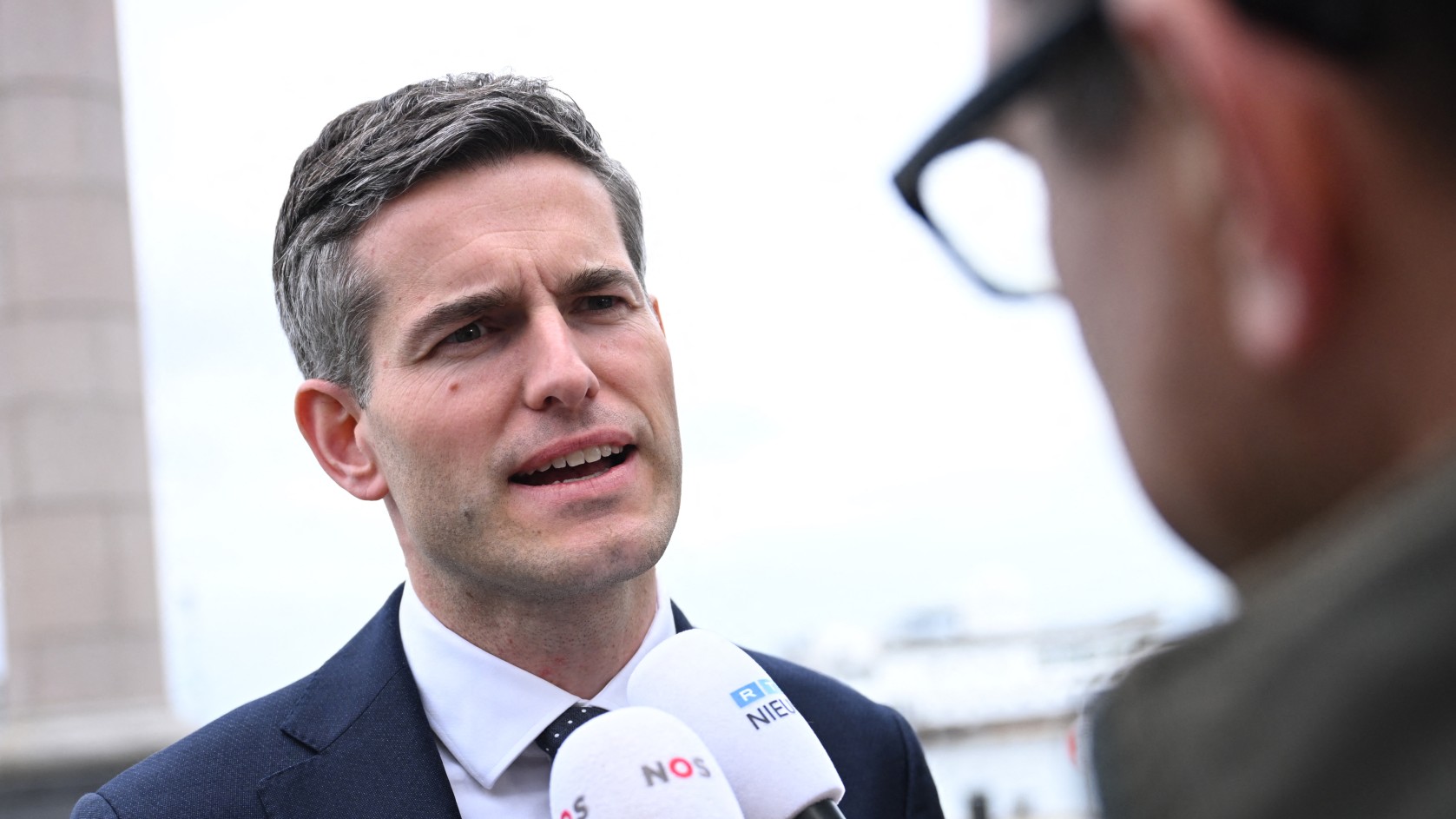
Dutch Foreign Minister Tom Berendsen has declined to rule out the suggestion that discussions are taking place over sweeping restrictions on the International Criminal Court (ICC), following a report that the Netherlands is negotiating with Washington over changes that could severely undermine the court's powers. Questioned in parliament on Wednesday, Berendsen said diplomatic discussions were taking place but he would not specify whether proposals to shield national leaders and restrict the court's jurisdiction were under consideration. The exchange followed a report by Dutch rights organisation The Rights Forum, citing anonymous diplomatic sources in New York, that the Netherlands was negotiating restrictions in response to US sanctions. Hanneke van der Werf MP, from the Democrats 66 party, asked whether discussions included immunity for heads of state and government, excluding nationals of countries outside the court's founding treaty from its jurisdiction, and weakening its ability to intervene when national authorities fail to prosecute. Berendsen's answers did not confirm the reported proposals, but nor did they answer whether the government would reject them. New MEE newsletter: Jerusalem Dispatch Sign up to get the latest insights and analysis on Israel-Palestine, alongside Turkey Unpacked and other MEE newsletters He told parliament he would send MPs a letter next week setting out the Netherlands’ position for the upcoming Assembly of States Parties, including its diplomatic approach to addressing US sanctions against the court. "Discussions are currently taking place about the diplomatic track being pursued," Berendsen said. "I cannot anticipate which subjects are or are not on the table." He added that the Netherlands could not decide the matter alone, because more than 120 member states would potentially have to reach an agreement with the US. 'All kinds of discussions are taking place, but that does not mean that this is the position the Netherlands is taking' – Foreign Minister Tom Berendsen "So the minister is not denying that it is true," Van der Werf responded. "All kinds of discussions are taking place, but that does not mean that this is the position the Netherlands is taking," Berendsen said. ICC member states are scheduled to meet in The Hague from 30 November to 7 December, after the session was relocated from New York because US sanctions and visa restrictions threatened participation. Washington imposed sanctions on the ICC as an institution on 9 October, escalating a campaign that had already targeted most of the court's judges and prosecutors. The sanctions have been imposed since February last year, in the aftermath of the arrest warrants issued by the court for Israeli Prime Minister Benjamin Netanyahu and former Defense Minister Yoav Gallant in November 2024 over alleged war crimes and crimes against humanity in Gaza. In the institutional sanctions, Washington granted a six-month exemption for certain operational transactions to allow time for negotiations, with its expiry on 7 April next year. US sanctions International Criminal Court hours after former judge wins Nobel Peace Prize Read More » If they come into effect, the measures could prevent the court from conducting transactions in US dollars, effectively cutting it off from large parts of the international financial system and potentially crippling its operations. Banks tend to over-comply with sanctions because of their dependence on that system. Any agreement to rewrite the court's core powers would face substantial legal hurdles. Under the Rome Statute’s general amendment procedure, adoption requires consensus or a two-thirds majority, followed by ratification by seven-eighths of member states before entry into force. The reported discussions echo demands previously reported by Middle East Eye. In December 2025, MEE revealed that Washington had pressed for an end to the Palestine and Afghanistan investigations and treaty changes preventing prosecutions of nationals of non-member countries, in return for lifting sanctions. Three diplomats familiar with the matter said an EU diplomat had presented the US demands to representatives of ICC member states ahead of the annual gathering of the Assembly of States Parties. The assembly ultimately reaffirmed the treaty’s integrity. One diplomat warned that amendments intended to appease Washington could damage the court more than sanctions themselves. Restrictions on prosecutions The Rights Forum reported three potential restrictions that would fundamentally alter the court’s ability to prosecute international crimes. The first would grant immunity to heads of state and government. The second would exclude nationals of non-member countries from the court’s jurisdiction, even for crimes committed on the territory of a member state. That would threaten the legal basis for prosecutions of Israeli officials over crimes in occupied Palestine. Israel has not joined the Rome Statute, but Palestine has, allowing the court to exercise territorial jurisdiction. The third reported restriction concerns complementarity: the principle under which the ICC acts when national authorities fail to genuinely investigate or prosecute. According to The Rights Forum, the proposed change could allow the existence of domestic legislation criminalising relevant conduct to block ICC proceedings, even without genuine national investigations. In its response to the organisation, the Dutch foreign ministry said no concrete proposals were currently before the Assembly of States Parties, the court’s governing body. ICC confirms Middle East Eye reporting on Afghanistan arrest warrants Read More » It said dialogue would take place within international law and with respect for the court’s independence and impartiality. Rights groups and legal experts have repeatedly urged the EU to activate its Blocking Statute, a legal mechanism which aims to protect EU companies and individuals from the effects of extraterritorial sanctions imposed by third countries. If activated, the statute would reassure EU-based service providers that their transactions with the ICC are protected. It essentially prohibits them from complying with foreign laws that could harm their business operations within the EU. Dutch and European leaders have pledged support but remain cautious about invoking the mechanism. Prime Minister Rob Jetten promised last month to protect the court “brick by brick”, while Berendsen has described the Blocking Statute as a drastic measure that could be used only once. EU leaders subsequently called for measures to help European companies continue serving the court. EU foreign policy chief Kaja Kallas said on 20 October that activating the statute remained an option, but required careful preparation. She also urged companies against over-compliance with US restrictions during the six-month transition period. Established in 2002, the ICC is the world’s only permanent international criminal court with the mandate to investigate and prosecute individuals for genocide, crimes against humanity, war crimes and the crime of aggression. The court currently has over a dozen active investigations, including the situations in Darfur, Libya, Myanmar and Ukraine.
Dutch foreign minister declines to deny talks are under way on curbing ICC powers
Full Article
Original Source
Read the full article at Middleeasteye →KhanList aggregates and links to publicly available news content. We do not host full articles from third-party sources. Always verify important information with original sources.