
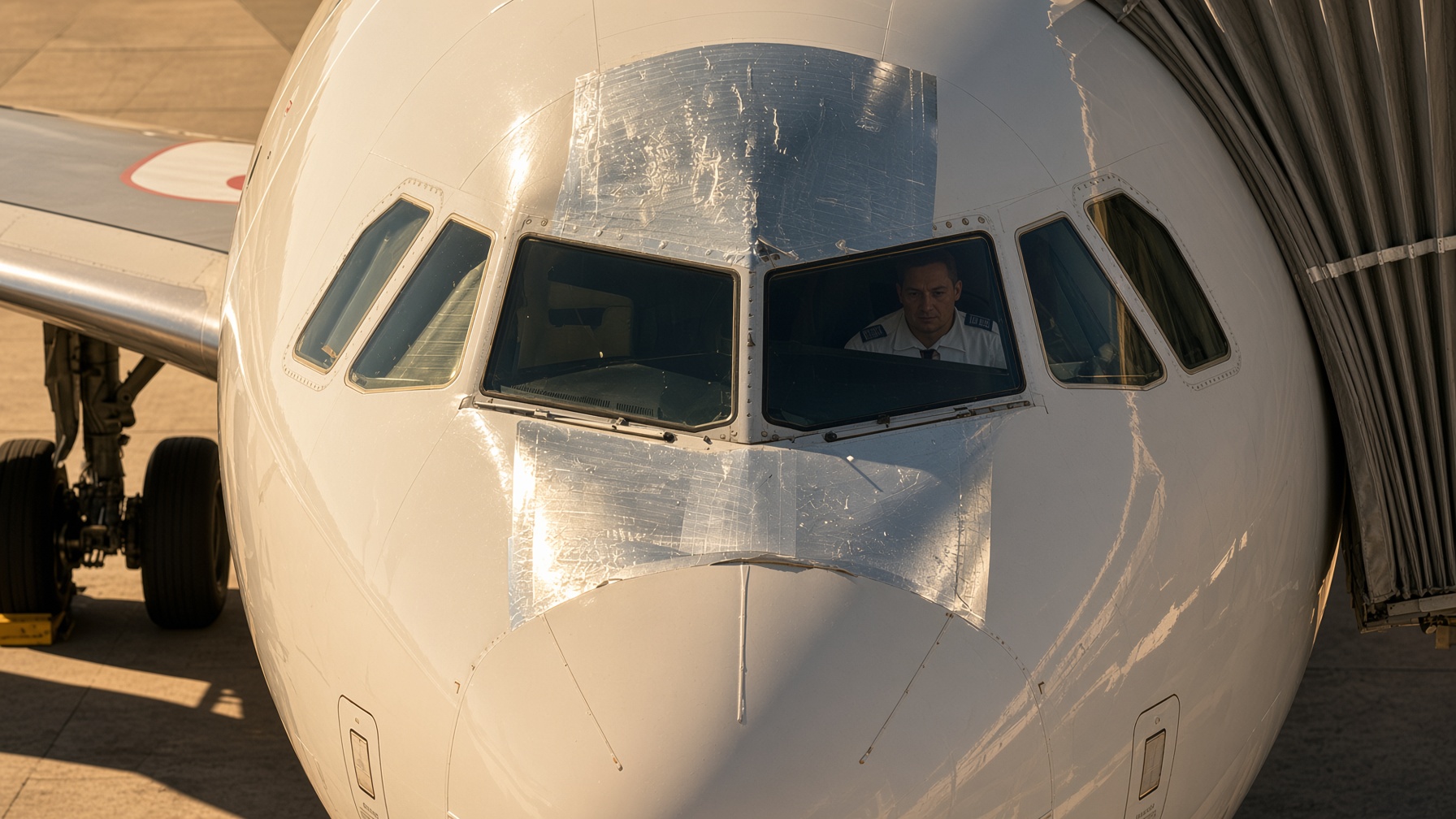
Probably the most misunderstood thing in all of aviation is speed tape. Passengers see what looks like ‘duct tape’ on their plane, and they worry whether it will hold together. The plane doesn’t look safe and first impressions over safety matter after all the stories of the Boeing 737 MAX 9 door plug, air traffic control mishaps, and pilot error over the past few years. Photos like this one represent nervous passengers, and airlines making a poor impression, even though safety hasn’t been compromised. For 100 years aviation safety has been both a practice of continuous improvement, driving down risk, and of managing perceptions. @united what is up with the duct tape on this 787??? https://t.co/MOhnSPKEi4 — Yukon Cornelius, Ph.D. (@Y_Cornelius_1) October 19, 2026 Nice work on the tray table @AmericanAir. Hope duct tape isn’t the answer for more important parts of the plane as well https://t.co/DIeT8VzAjj — John Marshall (@jmarshallap) June 13, 2025 @AmericanAir why is this plane being held together by duck tape??? Seat 4A should I be concerned??? 🙏🏾🙏🏾🙏🏾 #americanairlines #AAinfloghg https://t.co/UyB3VE3RMK — Jackie Smalls (@jackrocs) November 14, 2025 @AmericanAir I don’t have any DM from you , here is another pic of your plane that you put together with Duct Tape, is this even up to @FAANews @FAASafetyBrief standards https://t.co/CDJJCQx9Y3 — NickLoeb (@NickLoeb) August 6, 2025 These sorts of images scare passengers, but this isn’t duct tape. It is actually aluminum pressure-sensitive tape that can stick to an aircraft’s fuselage or wing at high speeds. It is used in aviation for minor, temporary repairs on aircraft. It has high resistance to weather conditions and extreme temperatures. And its use is strictly regulated. In general, it is for temporary fixes until a more permanent repair can be made, often within a few days. The location and nature of the damage on an aircraft determine whether use of speed tape is appropriate, consistent with FAA guidelines and the aircraft manufacturer’s structural repair manual. Speed tape is not indicated where it could potentially affect the structural integrity of the aircraft (or cause an aerodynamic issue). So you’ll generally see it used for minor, non-structural damage such as covering minor dents or scratches that don’t affect structural integrity and securing loose objects such as a panel until they can be properly fixed. There’s nothing wrong with a plane here, in the sense that it’s perfectly airworthy. But every time passengers see something like this they’re shaken, and they worry about how well managed and maintained the airline they’re flying is. Here’s one that looks pretty bad on the ground in Albuquerque prior to boarding. The forward fuselage is the part of the aircraft’s body where the cockpit is located. It’s the plane’s “first impression” – and this one doesn’t make a very good one. Pressure-sensitive tape dates to the 1840s, though of course the tape used later at the dawn of aviation (masking tape) wouldn’t be used on an aircraft. Duct tape was developed during World War Two. Technology has continued to evolve, but popular understanding of it – in aviation and beyond – often lags. It wouldn’t hurt for airline employees themselves to be better educated, so that they could proactively explain it to customers. Topics on this page
“Duct Tape” On Planes Is Scaring Passengers—Airlines Are Making Safe Repairs Look Like Dangerous Shortcuts
Full Article
Original Source
Read the full article at Viewfromthewing →KhanList aggregates and links to publicly available news content. We do not host full articles from third-party sources. Always verify important information with original sources.