
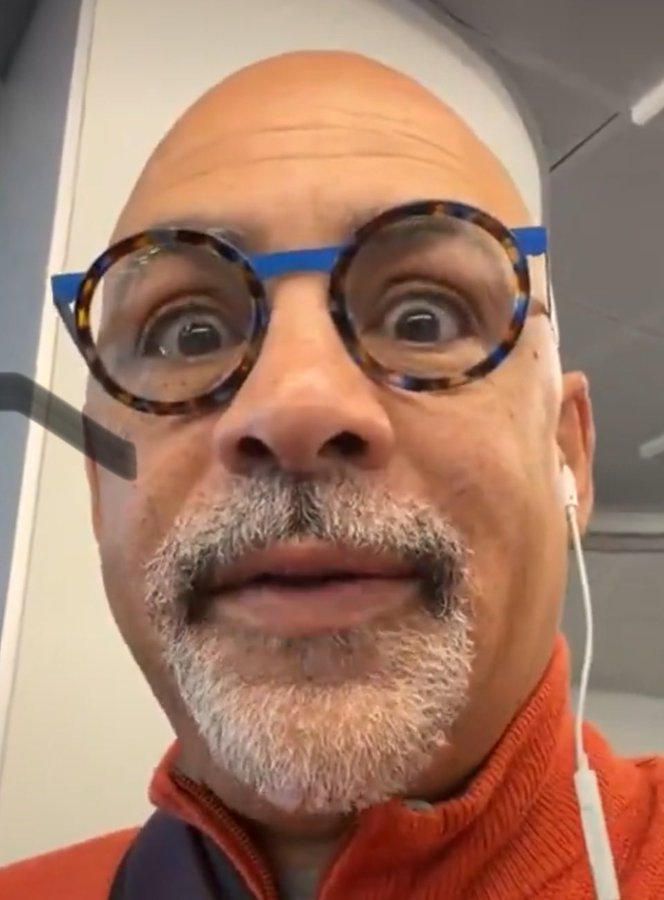
A newly elected congressman is getting mocked for refusing a TSA face scan, with commenters telling him to take the bus or train instead. The post sharing his video accuses him of refusing to have identification. But Chris Rabb says he brought a U.S. passport card, which is accepted ID. And the checkpoint photograph he declined is optional. The democratic socialist gets some of the explanation wrong. However, the people demanding his arrest appear to have a bigger problem with the rules than he does. Rabb, a Pennsylvania state representative, was elected to represent Philadelphia in Congress and takes office in January. In the video, he says he’s returning to Philadelphia from Boston. He says he doesn’t have a REAL ID card. He got a passport card so he wouldn’t need to carry his actual passport. He says TSA’s equipment wouldn’t process his identification, employees asked for another ID, and he didn’t have one with him. He also says he’d told them he didn’t consent to the photograph. DSA Congressman Chris Rabb already working for the people by refusing to let TSA take his photo and also refusing to have an ID card. So brave. https://t.co/DnZSKeKZ7e — Lee Kuan Yimby (@LeeKuanYimby) November 23, 2026 He Brought A Type Of ID TSA Accepts The State Department says a U.S. passport card can be used for domestic air travel instead of a REAL ID driver’s license. It fits in a wallet. It doesn’t work for international air travel, but Boston to Philadelphia isn’t international. REAL ID enforcement doesn’t mean every passenger needs a state license with a star. A passport, passport card, and other documents on TSA’s accepted identification list are acceptable. Ye replies include “Arrest his ass,” “poor Comrade,” “Bro just ride the train,” and sarcastic declarations of bravery. I have plenty of disagreements with democratic socialists. I’ve criticized Alexandria Ocasio-Cortez’s intervention in American Airlines’ maintenance dispute and Bernie Sanders getting airline taxes wrong. That doesn’t make a socialist’s privacy objection wrong. And disliking someone’s glasses isn’t a reason to demand he surrender a choice even the government says he has. You Can Decline The Photo. You Still Have To Complete Screening. Rabb’s most useful advice is simple: Just say, “I don’t consent to being photographed.” That’s TSA’s published policy. Travelers can decline facial recognition and use the standard ID verification process instead. Rabb Wants To Avoid Being Put In A Database Rabb says he’s trying to avoid being put into another database. Too late! The standard checkpoint camera compares your face to the photograph on the ID you present. TSA says the image isn’t saved after a positive match, apart from limited testing used to evaluate the technology. You don’t necessarily have to believe them. Touchless programs can work differently. Identifying an enrolled traveler using a gallery of existing government photographs doesn’t add you to the database, you’re already there. Opting out doesn’t remove your travel records. The government already receives passenger information for Secure Flight screening. And obtaining a passport card already means you supplied a photograph. There are cameras everywhere, but for the most part there’s so much data that at least we benefit from security through obscurity. At least we did before AI made it all so much more easily searchable. I’ve covered passenger information collected for aviation security being used to help immigration agents intercept travelers. Law enforcement has access to passenger data even without this additional photo. Positive ID Matches Don’t Contribute Much To Security Positive identification is supposed to make sure you can’t simply fly under somebody else’s name. That’s necessary for the government’s database of people they want to bar from flying or ensure receiving extra screenig works. Of course, the database itself is corrupted. The terrorist screening database has over two million people in it. I’ve written about the sprawling watchlist system and agents using the no fly list to retaliate against people who wouldn’t become informants. Identity checks also serve a separate economic purpose for airlines. Matching the traveler to the name on a nontransferable ticket helps enforce price discrimination. If you could buy a cheap ticket months ahead and freely sell it to someone traveling tomorrow, you’d compete with the airline’s expensive last-minute fare. Preventing that resale helps airlines separate passengers willing to plan ahead from those willing to pay more. It doesn’t create a real aviation security benefit. I Made My Own Compromise Long Ago I’m an old line civil libertarian on this. I was late signing up for Global Entry in 2013 because I didn’t like volunteering fingerprints and a photograph to the government in exchange for easier travel. When I finally joined, before the Edward Snowden revelations, I was already writing about government collection of cellphone geolocation data, license plate readers, and other surveillance. The government already had the information, so I might as well get the benefits. At the same time, I think we’ve largely lost this argument in practice. I’ve written about the spread of checkpoint photography and biometric boarding gates becoming normal. The surveillance state has won. Rabb himself concedes that his refusal won’t make much practical difference. He sees value in reminding people they can object and in resisting normalization. I have sympathy for this. What To Do If You Want To Opt Out Bring an accepted physical ID and make the request before the camera takes your picture. “I’m opting out of the facial photograph. Please use the standard ID check.” Hand over the document and cooperate with that check. Separate a camera objection from a document problem. If the reader won’t process a passport card, ask for a supervisor and an alternative document check. Carrying a second accepted ID can save time if something fails. With millions of passengers processed per day small failure rates mean actual failures happen regularly. Escalate a refusal of the opt out calmly. TSA says you can request a supervisor or passenger support specialist. Record the airport, checkpoint, date, time, and what was said, and submit a complaint. They’ll go ahead and ignore or dismiss it. Don’t confuse any of this with arriving without allowable identification. Since February, TSA’s ConfirmID requirement costs $45. The payment covers a ten day travel period and doesn’t guarantee identity verification. Meanwhile, at the border, U.S. citizens can request an alternative inspection. Noncitizens, including permanent residents, generally cannot claim the same photo opt-out. Rabb will shortly have a better tool than an argument at a document podium: a seat in Congress. He can press for enforceable limits on retention and sharing, a meaningful manual alternative, and a way to challenge bad database entries. It won’t matter, because the security state is far more powerful than he is. But I’d be happy to see a democratic socialist spend some of his time constraining government power over travelers. Topics on this page
DSA Is Right: Congressman-Elect Mocked For Refusing TSA Facial Scan—But He Brought A Passport Card, And The Photo Is Optional
Full Article
Original Source
Read the full article at Viewfromthewing →KhanList aggregates and links to publicly available news content. We do not host full articles from third-party sources. Always verify important information with original sources.