
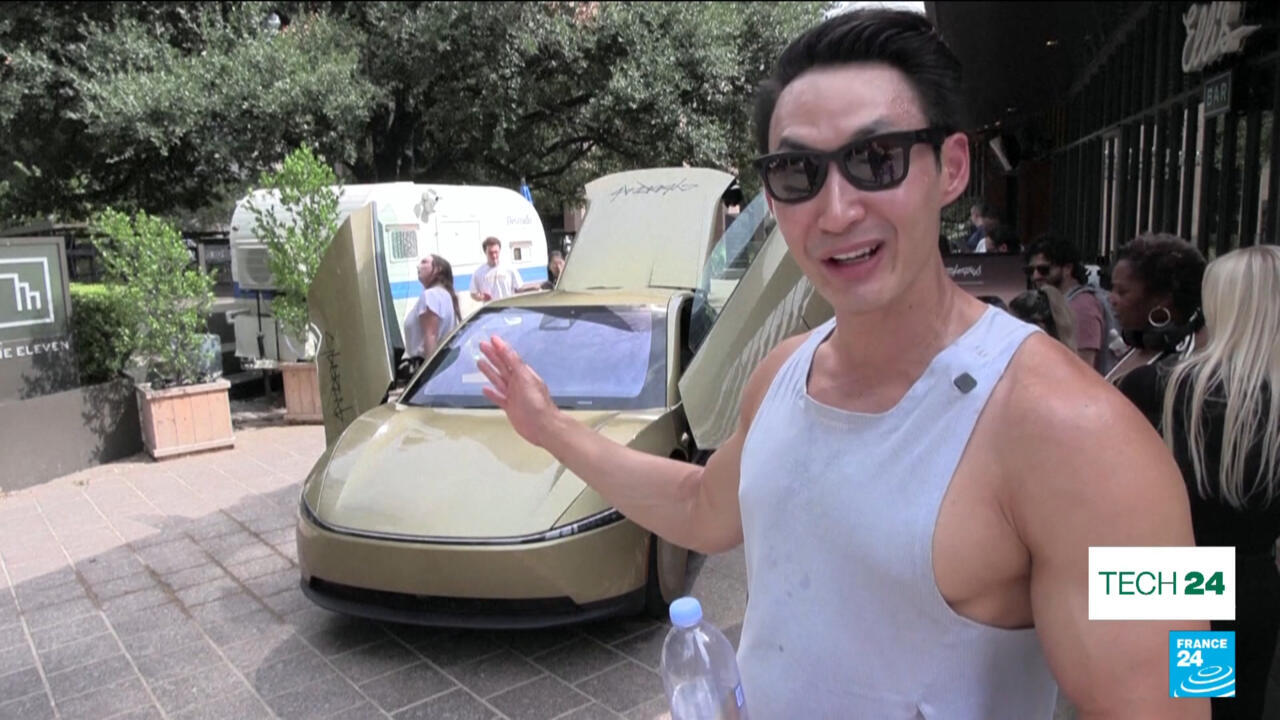
From Austin to London, the current robotaxi boom is raising hard questions about safety and jobs. We take a closer look in this edition of Tech 24. Elon Musk's wheel-free, pedal-free Cybercabs hit the streets of Austin, Texas this week. The Tesla vehicles will offer driverless rides in limited areas of the city. Within 24 hours of the launch, the US National Highway Traffic Safety Administration opened a formal inquiry into how Tesla certified the vehicles as street legal in the first place. Tesla's stock dropped more than 5 percent on the news. A day earlier, London got its first robotaxi service, a joint venture between Uber and UK startup Wayve that still keeps a human safety supervisor on board. Uber, meanwhile, also announced it would axe roughly 3,300 jobs, or about 10 percent of its workforce, to help fund its robotaxi pivot. To understand what some critics are cautioning against, take a look at China. The country has been embracing driverless taxis at scale for years. But for all the excitement and innovation, more than 100 Baidu robotaxis froze simultaneously on Wuhan's streets in March, prompting a nationwide permit freeze that was only lifted in June. A peer-reviewed study also found that robotaxis cut local taxi drivers' income in Wuhan by almost 11 percent. The technology may be racing ahead, but as this week's developments show, the safety and jobs questions are moving just as fast.
Driverless taxi services are rolling out fast across the world
Full Article
Original Source
Read the full article at France24 →KhanList aggregates and links to publicly available news content. We do not host full articles from third-party sources. Always verify important information with original sources.