
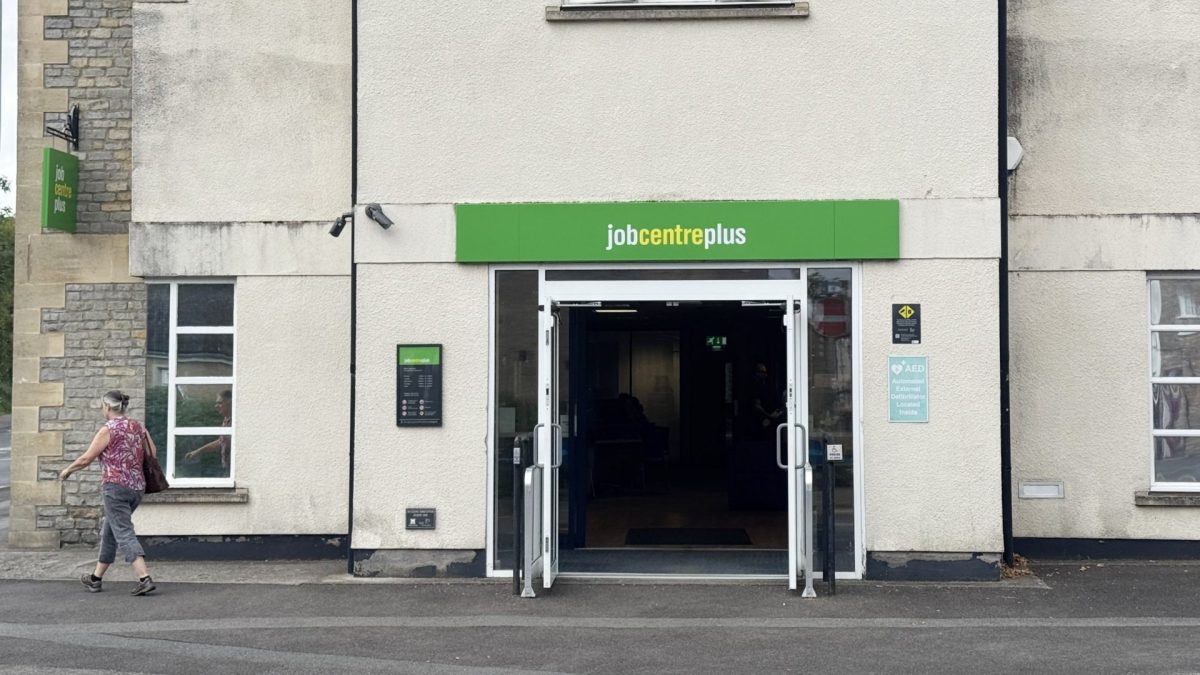
Lisa Nandy has vowed to stop a new generation of young people falling into a “welfare trap” as she announced plans to send 1,000 youth workers into communities. In an exclusive interview with The i Paper, the Culture Secretary branded abandoning youngsters to a life on benefits “a tragedy and a disgrace” as she said Labour would intervene earlier to prevent vulnerable young people from becoming detached from education and work. She also insisted there was no trade-off between helping young people and supporting pensioners, saying Labour had “no plan to get rid of the triple lock”. Shorts Nandy said some youngsters could be identified as being at risk from as young as five, but could later become “invisible” to the state before eventually leaving education and appearing in national figures as not in employment, education or training (NEETs). The announcement is the first major policy announcement of the Labour Party conference, which begins tomorrow, aimed at showing how the Government intends to deliver a message of hope to young people. The move comes as the Government considers Alan Milburn’s review into young people who become economically inactive, including those who fall out of education, employment or training. Nandy’s focus, however, is on intervening earlier – arguing that warning signs can be visible years before young people reach 16 and become detached from education or work. The youth workers will be embedded in local authorities and tasked with finding young people who are not accessing existing services and supporting them before they reach crisis point. She said some children could be persistently absent or late from school, go missing from home or become involved with social services, before eventually retreating into their bedrooms or spending much of their time online. Nandy described the million young people who are NEETs as “an abject failure of the state”, saying it had failed to hang on to young people and “wrap our arms around them from an early age”. She said the new youth workers would be the first step in repairing what she described as damage caused by the previous Conservative governments, which she claimed had presided over the loss of 4,500 youth workers over 14 years. The youth workers will operate in community spaces and alongside services including schools and police, offering help with employment, financial literacy, mental health, youth violence and knife crime. Nandy acknowledged that welfare would remain the only option for some people, particularly those with long-term disabilities or chronic conditions (Photo: Lucy North/PA) The Government says local authority spending on youth services fell by 73 per cent between 2010 and 2023, with around 1,000 youth centres lost across England. Nandy said the investment was also intended to reduce long-term welfare dependency. “For those young people, they often go straight through school, college years without any support outside of the home and with limited support inside school,” she said. “And then they come out of the education system and go straight onto benefits and are trapped on benefits for life without any opportunity to live the life that they might have lived. “And I think it’s a tragedy and a disgrace and we won’t put up with it.” Nandy acknowledged that welfare would remain the only option for some people, particularly those with long-term disabilities or chronic conditions. “But that cannot be the case for a million young people in this country,” she said. “For this group of young people in particular, we’ve let them down very badly.” She said young people who were bright and ambitious at eight, nine or ten could gradually lose hope as they grew older. “By the time they get to 14, they don’t believe it’s possible anymore,” she said. “They’re often right to believe that because successive governments have abandoned them. We’re not prepared to do it.” Nandy said there was evidence that getting young people involved in activities outside school could improve their long-term prospects. She said early intervention was “the only thing to do if you want to get the welfare bill down”, while acknowledging that the Government had not carried out an assessment of how much the programme itself would save. “Nobody’s done this properly, if I’m honest,” she said. The Culture Secretary was also pressed on whether the Government should reconsider the state pension triple lock, amid arguments that younger generations face greater economic pressures than previous generations. She rejected the idea of a generational trade-off, pointing to the record of the previous Labour government on both child and pensioner poverty. “I think the last Labour government managed to lift a million children out of poverty and make biggest impact on pensioner poverty of any government in history,” she said. “I think they proved that both things are possible at once.” Asked directly about the triple lock, Nandy said: “Obviously, that’s a question for the Chancellor and he is currently looking at all of the issues in the budget. “But we’ve said many times that we’ve got no plan to get rid of the triple lock and that remains the case as it currently stands.”
Drive to keep teens off benefits will see new youth workers staging interventions
Full Article
Original Source
Read the full article at Inews →KhanList aggregates and links to publicly available news content. We do not host full articles from third-party sources. Always verify important information with original sources.