
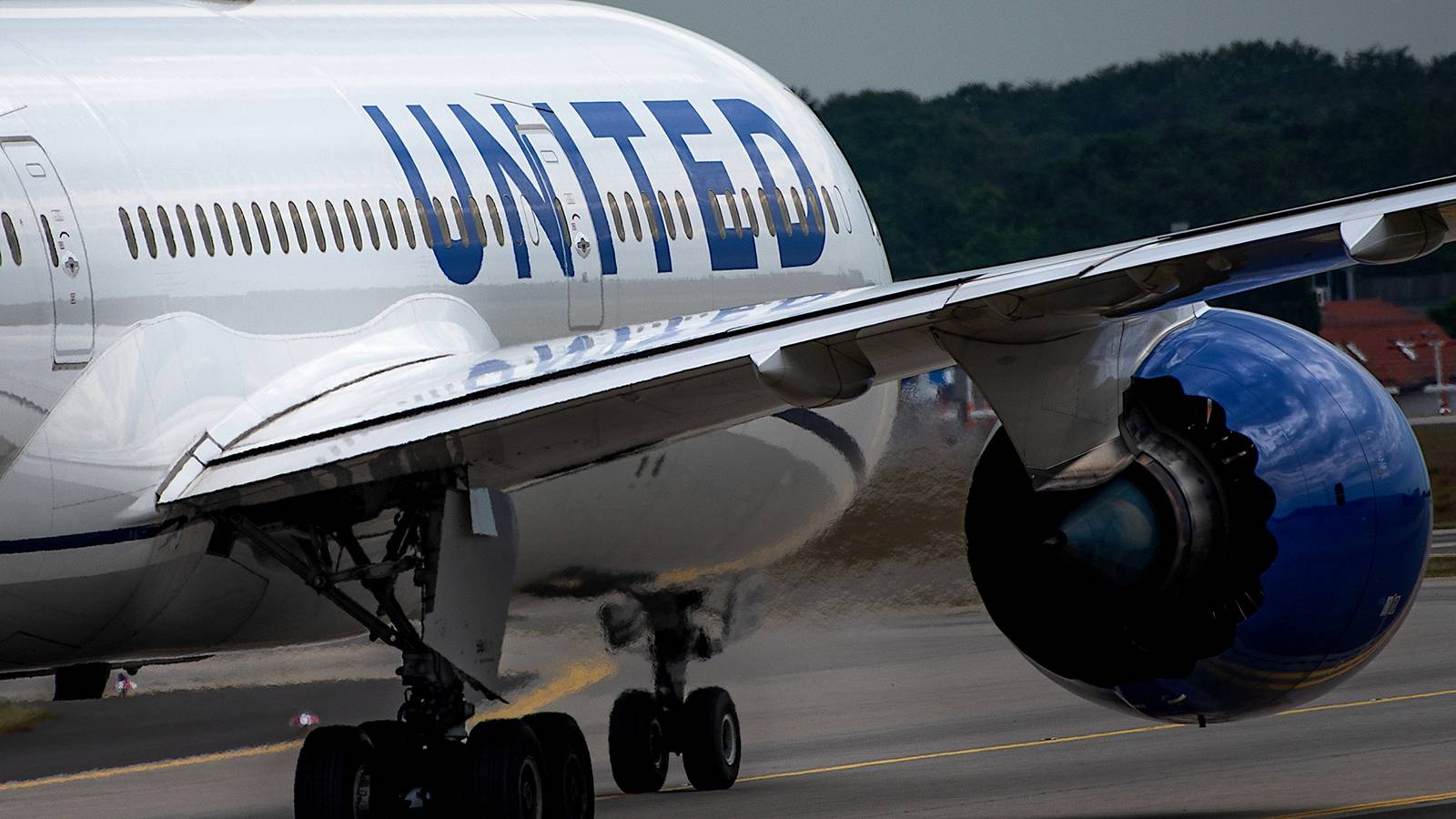
Credit: Vytautas Kielaitis | Shutterstock Published Nov 4, 2026, 4:54 AM EST Luke has over a decade of experience as a travel writer and aviation analyst. As a passionate traveler based across the Middle East and Asia, Luke offers strong insights into the industry. Based in South East Asia. Sign in to your Simple Flying account The Federal Aviation Administration (FAA) has ordered inspections of certain Boeing 787 Dreamliners, warning that sealant defects could create a spark inside the tank during a lightning strike, potentially triggering a fuel tank explosion. The airworthiness directive (AD) will take effect next month and covers specific 787-8, 787-9 and 787-10 aircraft identified by Boeing. According to the FAA, 60 US-registered 787s fall under the order, with US airlines collectively operating over 170 Dreamliners. However, dozens of 787s operated by foreign airlines also fly under US registrations, while the total number of affected aircraft worldwide could be higher. Many Boeing 787s Will Need Fuel Tank Inspections Credit: George Mutch | Shutterstock The AD was published in the Federal Register on November 2 and will take effect on December 7. It follows reports that sealant inside the center wing fuel tanks of certain 787s may not have received the "required visual and adhesion inspections" during manufacturing. Upon request, Boeing was unable to provide records confirming that the required inspections had been completed. The FAA says that the problem could potentially lead to an ignition inside the fuel tank, raising the risk of an explosion during a lightning strike. Lightning strikes are a relatively common occurrence in commercial aviation, with a commercial plane struck around once or twice a year on average. The Dreamliner's reliance on composite materials makes lightning protection particularly important. Boeing maintains that the 787 has several other layers of protection against lightning. The FAA's order states: "The unsafe condition, if not addressed, could result in development of an ignition source within the fuel tank volume and a risk of a fuel tank explosion during a lightning strike event." What Airlines Will Need To Check Credit: Vytautas Kielaitis | Shutterstock These inspections will require operators to inspect sealant in the left, right, and center sections where the wings meet the fuselage, and also conduct adhesion tests. The checks must also cover the area extending from the side-of-body rib to rib 2. Airlines will then need to carry out any necessary repairs if defects are found. The FAA provided an estimate of 34 work-hours and a cost of $2,890 per aircraft, totaling $173,400 across all 60 US-registered jets. However, that figure does not include the cost of potential repairs, although Boeing has indicated that some expenses could be covered under warranty. Fuel tank explosions from lightning are extremely rare in modern aviation. One of the best-known examples is Pan Am Flight 214, a Boeing 707 that crashed in December 1963 after lightning ignited fuel vapor inside one of its reserve tanks, killing all 81 people on board. Manufacturers must design and test aircraft to show that a lightning strike cannot ignite fuel vapor inside the tanks. How Many Aircraft Could Be Affected? Credit: Parkdolly | Shutterstock The FAA's directive currently covers 60 airframes of more than 200 787s under US registration. United Airlines is the largest 787 operator in the world, with 97 Dreamliners across all three variants. American Airlines has the second-largest fleet in the US with 70 787s, while the only other US airline flying the Dreamliner is Alaska Airlines with six airframes. US Operators Of The Boeing 787 Airline 787-8 787-9 787-10 Total United Airlines 12 64 21 97 American Airlines 37 33 – 70 Alaska Airlines – 6 – 6 Combined, these three carriers operate over 170 Dreamliners, while ch-aviation data lists 13 US-registered aircraft operated by Aeromexico and 16 by Avianca. Additionally, dozens of other 787s registered overseas could also need inspections if their aviation authorities follow the FAA's lead. Boeing has delivered more than 1,100 Dreamliners since the type entered service in 2011. The order is yet another FAA intervention in 2026 over production-related problems involving the Dreamliner. This follows a directive in August that required wing inspections on almost 80 787s worldwide, and checks on cargo barrier fittings earlier in the year.
Dozens Of Boeing 787s Face Checks Over Fuel Tanks That Could Ignite When Hit By Lightning
Full Article
Original Source
Read the full article at Simpleflying →KhanList aggregates and links to publicly available news content. We do not host full articles from third-party sources. Always verify important information with original sources.