
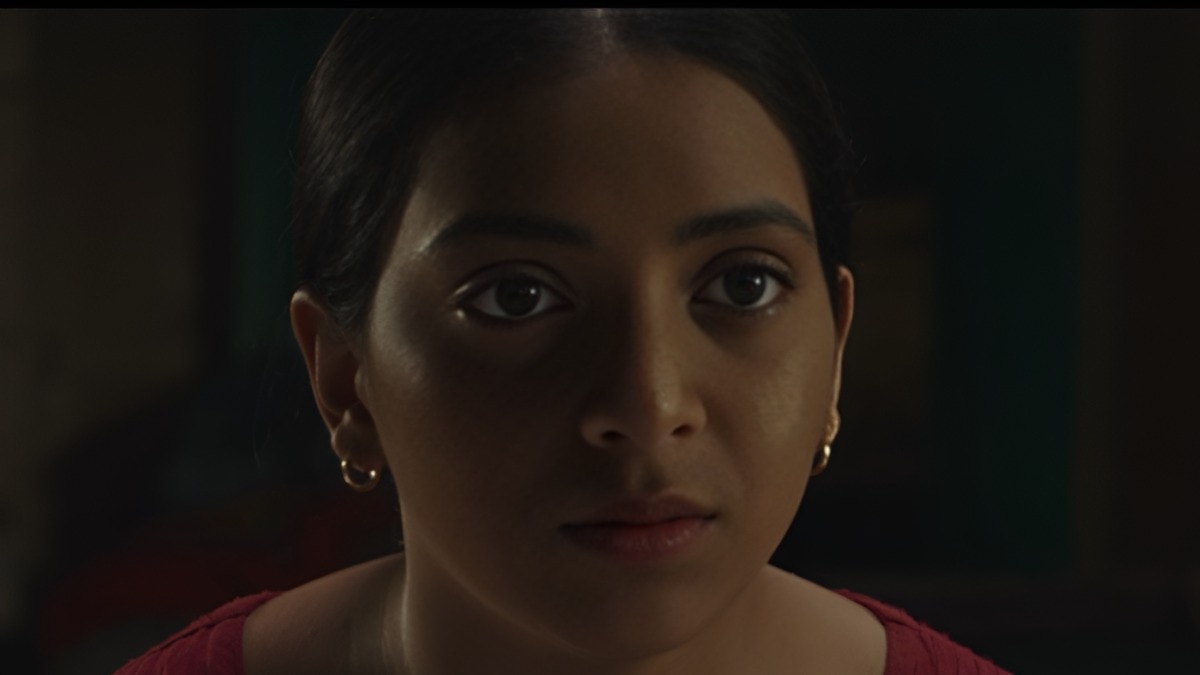
What if former cricketer Sourav Ganguly’s fight against convention inspired a young girl to challenge the rules governing her life? That’s the idea behind director Abhinay Deo’s Doosra, which follows a small-town girl’s struggle for freedom alongside Ganguly’s journey of transforming the Indian cricket team into a more aggressive force. The film attempts to connect these two stories through themes of rebellion and breaking barriers.Starring Plabita Borthakur as Tara, Doosra moves between India’s historic NatWest Series win against England in 2002 and the life of a girl growing up in a conservative Rajasthani family. Inspired by Ganguly and his team challenging expectations on the cricket field, Tara begins to question the rules imposed on her at home. The film draws a parallel between India’s cricket victory and Tara’s fight for freedom, showing how standing up against convention can bring change.The concept can sound appealing, but the execution of it was simply uneven and weak.Drawing parallels between the two stories sometimes breaks the flow and weakens the impact the film hopes to create. That’s exactly what happened with Doosra. Abhinay Deo, known for films such as Delhi Belly and Blackmail, takes an interesting approach by combining a fictional family drama with documentary-style cricketing history. Rather than making cricket the central subject, he uses it as a metaphor for a larger struggle against societal taboos like patriarchy and homosexuality. The idea is to show how Ganguly's refusal to conform to conventional expectations can inspire Tara to question the rules she has grown up accepting.Without relying too much on star power, Doosra tries to connect India’s historic cricket victory with Tara’s personal struggle. However, the two stories don’t always come together well. While the cricketing story has a natural flow, Tara’s journey needed more time to develop and make an impact. Tara is clearly unhappy with the life expected of her, but her shift from questioning it to standing up against it feels rushed. Breaking free from years of conditioning is not easy, and the film could have explored her doubts, struggles, and the consequences of her choices in more detail. Instead, Ganguly’s famous celebration becomes a turning point, leaving Tara’s emotional journey underdeveloped.Tara’s struggle against her conservative family's restrictions should be the film's emotional heart, but we don’t understand her feelings in enough detail. Much of her story is told through voice-over, including the line, “Marriage is the price men pay for sex, sex is the price women pay for marriage.” While the line highlights the film’s feminist message, it cannot replace the character development needed to make Tara’s struggles feel real.At the initial 78 minutes, Doosra is a quick watch, but the short runtime leaves little room for the story to grow. A film about gender, social expectations, and freedom needs time to weave the narrative in such a manner that it reflects the root cause of the problem and what it takes for her to fight against it. The message is clear, but the character development falls short.Plabita Borthakur brings sincerity to Tara’s role. She conveys the character’s frustration with the restrictions placed on her without overdoing the drama. Her performance gives the film emotional depth, even though the script falters in places.Twisha Joshi brings innocence to the role of young Tara, while Ankur Vikal is convincing as her father, a man who cares for his family but still holds on to patriarchal beliefs. But even strong performances can only do so much when the screenplay doesn’t give them enough to work with.The main problem lies in the writing, not the performances. Tara’s rebellion needed to unfold more naturally, with greater focus on her struggles and the consequences of her choices, to make her transformation more convincing.Apart from the story, the film’s background music is another weak point. Music could have added emotional depth to Tara’s journey and made some scenes more impactful. However, Ram Sampath’s score does little to lift the drama, leaving several scenes feeling flat.Cinematographer Mohammed Rubais captures the contrast between the two stories - while the old match footage takes viewers back to India’s historic win against England, Ganguly’s famous shirt-waving moment at Lord’s still carries an emotional impact on its own.Editor Ayelet Gil Efrat’s work is important in bringing the two stories together, but the shifts between cricket footage and Tara’s life do not always flow smoothly. At times, the match footage and interviews become more interesting than the personal story they are meant to support.Ultimately, Doosra has a promising idea but struggles to turn it into an engaging story. Sourav Ganguly’s life moments and the famous stills at Lord's Stadium still pack a punch, but Tara’s journey needed more depth and a stronger emotional connection to the cricketing story. The film has the right intentions, but its uneven writing and rushed character development keep it from hitting the mark.- Ends
Doosra Review: Ganguly's Lord's moment inspires rebellion, but film drops the ball
Full Article
Original Source
Read the full article at Indiatoday →KhanList aggregates and links to publicly available news content. We do not host full articles from third-party sources. Always verify important information with original sources.