
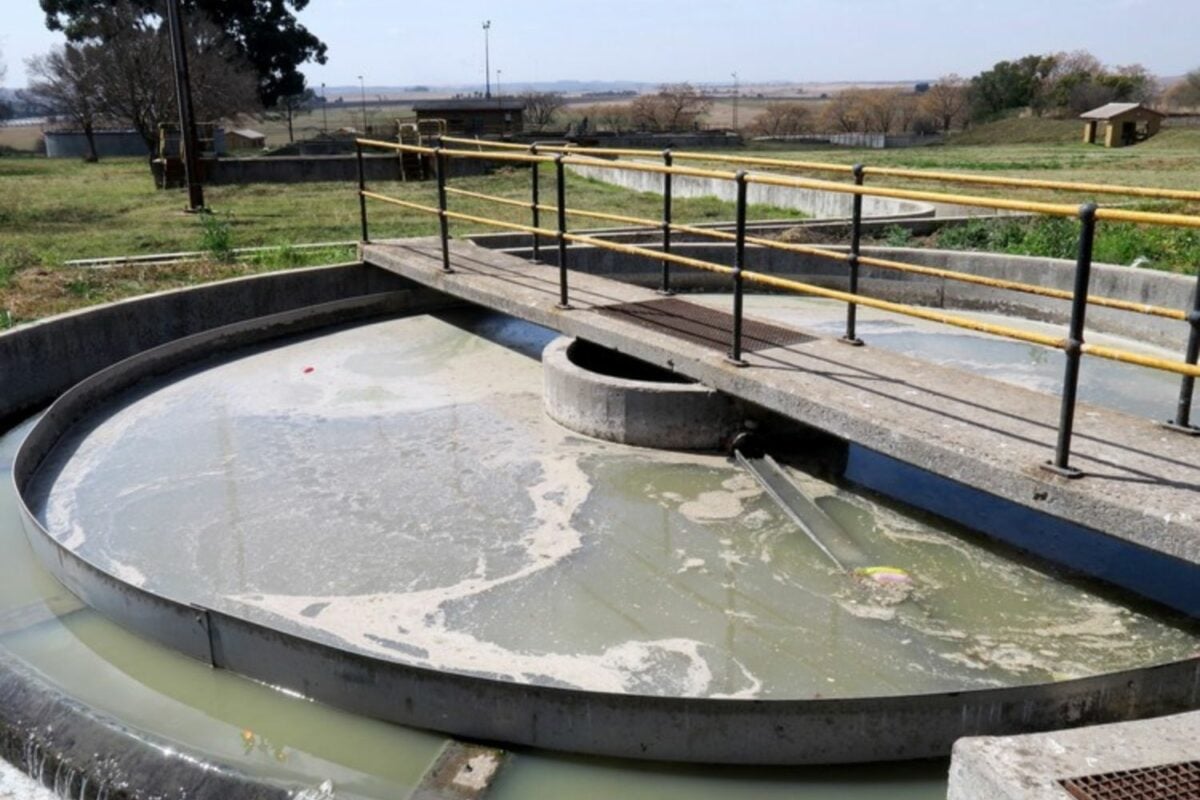
SA cannot freeze housing over failing water systems; water-efficient developments with on-site treatment offer a smarter path forward. Did you know municipalities may not approve new developments if there is insufficient water or wastewater treatment capacity to accommodate the additional demand without causing pollution or water shortages? This is required by the revised Compulsory National Water and Sanitation Services Standards, gazetted on 6 June, 2025, under Section 9 of the Water Services Act. The standards prohibit new connections to overloaded systems, but many municipalities ignore this. I saw the effect of this at the old Lion Park in northwest Johannesburg, which was sold off for residential complexes. The developers paid for a new pump station, but it just pumps the sewage to the broken Northern Wastewater Treatment Works, which spews it into the Jukskei River. Now there is a halt on new development there until water from phase 2 of the Lesotho Highlands Water Project becomes available in 2028. Given the deteriorating state of much of our water infrastructure across the country, strict enforcement would freeze many new developments. This would be disastrous as we have a severe housing shortage, while construction generates jobs, investment and economic activity. The smart solution is to require new developments to have on-site, water-efficient measures that reduce their dependence on municipal water and sewer networks. This includes package wastewater treatment plants, water-efficient fixtures, rainwater harvesting, greywater recycling and low-flow systems. While technological innovations make this affordable, it is a considerable extra cost that will deter some developments. I am pushing for tax incentives to cover the upfront costs, as well as municipal rebates. A property treating its own effluent to the required standard should not be charged a fixed sewage fee. It is hard to see where R500 million will be found to fix the 517 out of 848 wastewater treatment plants that are assessed to be in a poor or critical condition. Another R500 million is likely needed to build the new plants. If this is not addressed, we will have more sewage spillages that contaminate our waterways and dams, making it more difficult to alleviate our water crisis. Instead of choking new developments, we should incentivise them to be water-efficient and provide their own decentralised sanitation so they help solve our water crisis instead of worsening it.
Don’t let water kill development: Build water-efficient homes
Full Article
Original Source
Read the full article at Citizen →KhanList aggregates and links to publicly available news content. We do not host full articles from third-party sources. Always verify important information with original sources.