
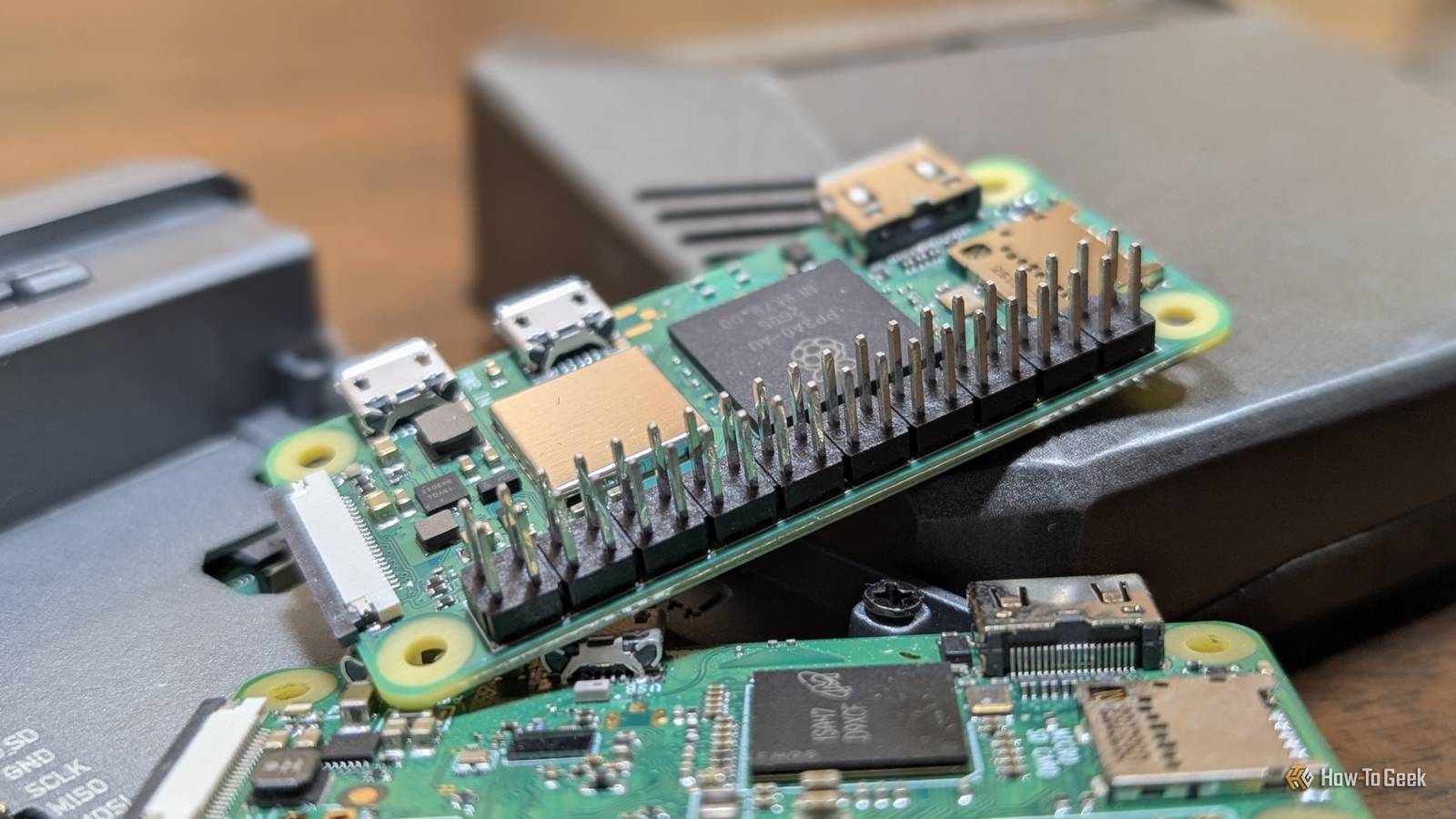
Published Sep 5, 2026, 7:00 PM EDT Nick Lewis is an editor at How-To Geek. He has been using computers for 20 years --- tinkering with everything from the UI to the Windows registry to device firmware. Before How-To Geek, he used Python and C++ as a freelance programmer. In college, Nick made extensive use of Fortran while pursuing a physics degree. Nick's love of tinkering with computers extends beyond work. He has been running video game servers from home for more than 10 years using Windows, Ubuntu, or Raspberry Pi OS. He also uses Proxmox to self-host a variety of services, including a Jellyfin Media Server, an Airsonic music server, a handful of game servers, NextCloud, and two Windows virtual machines. He enjoys DIY projects, especially if they involve technology. He regularly repairs and repurposes old computers and hardware for whatever new project is at hand. He has designed crossovers for homemade speakers all the way from the basic design to the PCB. Nick enjoys the outdoors. When he isn't working on a computer or DIY project, he is most likely to be found camping, backpacking, or canoeing. Memory price hikes have pushed new Raspberry Pi prices up across the board and the secondhand market has started looking more appealing than it has in years. Unfortunately, while used Pis can be good deals, the market is also full of pitfalls that don't exist when you buy new. There are a handful of specific things you should double-check before you hand over your money, ranging from damage to conflated model information. None of them are always deal-breakers, but they're potential problems worth keeping an eye out for. Not all Pi generations are equal Double-check which board you're buying I often see Raspberry Pis listed on Facebook Marketplace just as a "Raspberry Pi," with no further information—I'm left zooming in on poorly lit photos to try and determine which model I'm looking at. They can look fairly similar, especially if you don't spend a lot of time with them. The model and RAM matter enormously. The Pi 1 and 2 are both 32-bit, single-core devices, and the Pi 3b barely keeps up against modern Pis. As a concrete example, the Pi Zero 2, which is the size of a stick of gum, can get very close to the computational performance of a Raspberry Pi 3B, though the Zero 2 has only 512MB of RAM while the Pi 3B has 1GB. The Pi 1 and 2 are notably slower and not worth buying, unless you're just collecting them for fun. Software and OS support for older devices is going by the wayside as they've become outdated. Even if you can find software that'll run on them, the hardware spaces are now "bad" enough that you can't do that much with them anyway. Make sure you get a good look at the board and verify the specific model, RAM amount, and revision number against your needs. Watch for weird pricing fluctuations Scam prices are a bigger problem now Besides increasing the prices of Raspberry Pis to unprecedented heights, the memory crisis has also opened up a new scam avenue: fake price hikes. It is an unfortunate reality today that the price of computers and computer components often jump by $50, $100, or even more literally overnight. Scammers have started taking advantage of that and deliberately hiking prices above even the inflated "true" retail price to make a buck, hoping that the unwary buyer pays without double-checking the pricing. Amazon third-party sellers and Facebook Marketplace resellers seem to have been the worst offenders, and I'd be careful buying any PC component or SBC from one. Raspberry Pi deliberately rolled out lower-memory options to help keep costs manageable. If you do need a Pi, I'd get it from one of the Raspberry Pi Foundation's approved vendors if possible. If you do buy a Pi used, double-check the current market price from one of those vendors, not Amazon. Run it before you buy it GPIO pins, ports, and power circuitry can be subtly damaged Credit: Nick Lewis/How-To Geek Raspberry Pis aren't like GPUs. They live fairly difficult lives as computers go—they get dropped, attached to drones and flown into trees, people carelessly attach power supplies to GPIO pins, or spend 18 months outside in an allegedly-waterproof box. That also means that used Pis often have pretty significant wear and tear. Before you buy a Pi, power it on and make sure it at least starts. Some damage (like a bent or broken GPIO pin) is readily repairable; a cooked memory module is a different class of problem entirely. If you see signs of burn marks or large amounts of flux residue (a sign someone has been soldering, which can damage components), I'd stay clear completely. Check for counterfeits, clones, or stripped boards I've seen too many fakes There aren't too many counterfeit Raspberry Pis out there on the used market, but it is very common to see other SBCs mislabeled as something like a Raspberry Pi Zero 2 W. It has also been fairly common historically for a seller to use a picture of a Raspberry Pi and then hand you a clone, like an Orange Pi. There is nothing inherently wrong with the clones. Some of them are great, but if you're paying for a Pi, you should get a Pi. Clones also often lack the same software support Pis have, which can be a huge headache. I've also noticed that an increasing number of SBCs are sold on Facebook Marketplace with their RAM removed, presumably so someone can either sell the RAM separately for a premium or use it in a project of some kind. Sometimes this is surreptitiously mentioned in the listing; other times you'll just notice that there is a weird empty spot on the board in a photo. Whatever the seller's motivation and honesty level is, a Pi without RAM is useless—don't buy one. Don't trust a deal that seems too good to be true To buy a Pi safely, always double-check the specific model, double-check the price, and make sure to look for signs that it is physically damaged. If you take those precautions, you can actually find some pretty good deals still. Many people that purchased Pi 5s at release are willing to let their old, used Pi 4 go at a very reasonable price. The Pi 4 is a bit older now, but fully capable of hosting a small media server, a Pi Hole, or running any number of other small homelab jobs. I would generally recommend against buying the Pi 5 1GB or 2GB variants used; they still sell for "reasonable" prices compared to their higher-memory variants, and the trouble that comes with used SBCs is not worth the small savings you might get on a current-gen device.
Don't buy a used Raspberry Pi until you understand these 4 "gotchas"
Full Article
Original Source
Read the full article at Howtogeek →KhanList aggregates and links to publicly available news content. We do not host full articles from third-party sources. Always verify important information with original sources.