
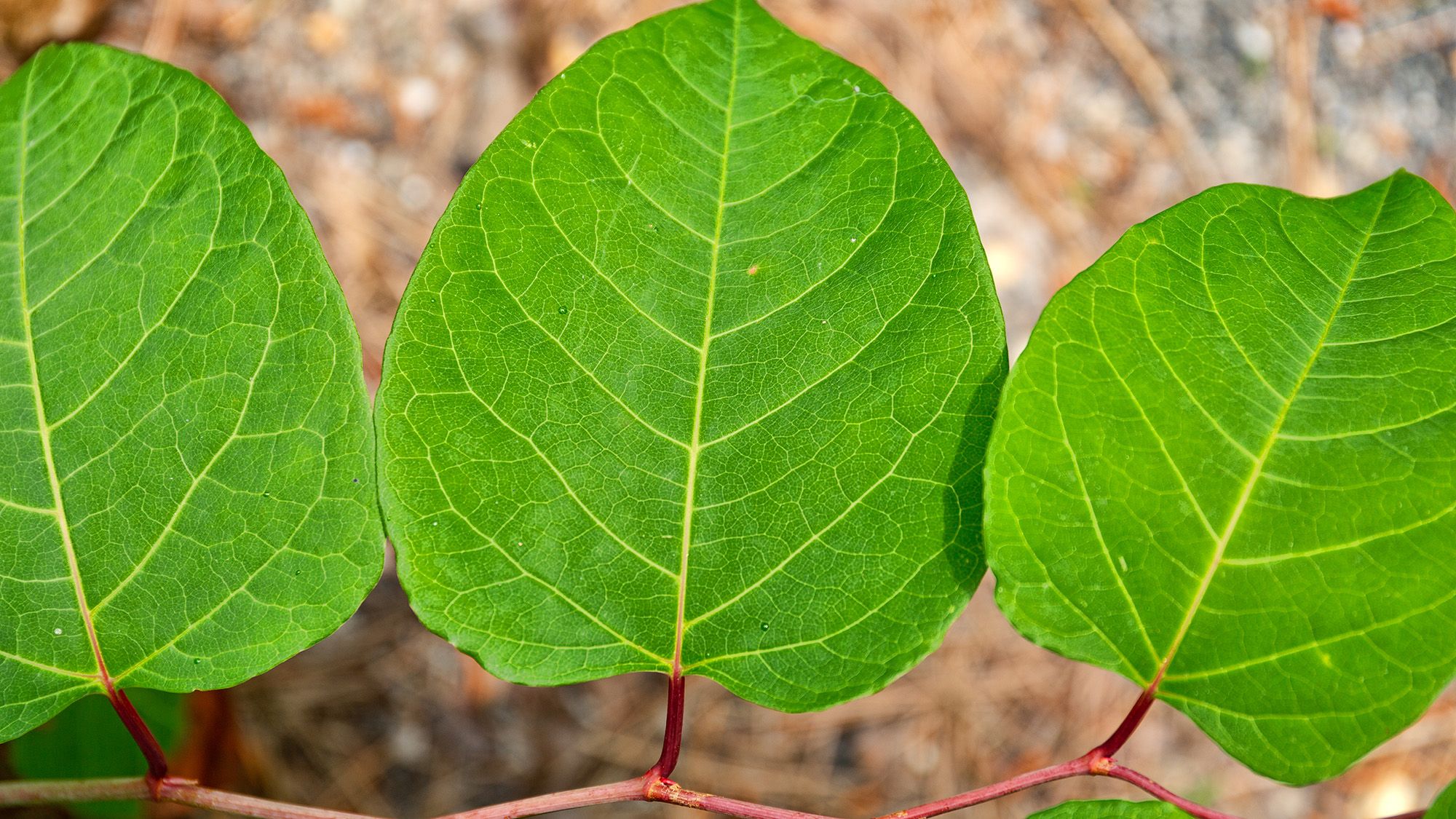
(Image credit: Shutterstock) Weeds are the bugbear of all gardeners, sprouting out wherever they see fit to invade our yards. And while many are beneficial to pollinators, when they rear their heads in our carefully curated gardens, they are usually unwelcome.The current hot summer has decimated many of my regular ‘reliable’ plants, and I’ve also noticed that the heat, combined with the lack of rainfall, has reduced the number of weeds in my patch.But according to one weed expert, I shouldn’t let this lead me into a false sense of security because there’s one clever weed that goes undetected in the heat and keeps active underground, while all is quiet above.Japanese knotweed — the underground criminal (Image credit: Shutterstock)According to Jennifer Holmes, head of marketing and business development at Japanese Knotweed Ltd, homeowners shouldn’t assume that the hot weather has killed off Japanese knotweed — the invasive weed remains alive underground and will start to regrow once conditions improve.While other plants struggle to survive due to a lack of water, Holmes explains that Japanese knotweed’s extensive underground rhizome system allows it to store energy and withstand harsh conditions. She warns that a seemingly dead patch could be hiding a bigger problem beneath the surface.But why is it such a cause of concern? Helen Rolph, home insurance expert at Quotezone, says, "Japanese knotweed is a seriously invasive plant that can cause some real damage to homes and gardens, so it’s important people are aware of how to recognize it and what to do if it’s present on their property.”“Climate change is forcing plants into a ‘survival of the fittest’ mode, explains Holmes. “While other plants will struggle in the drought due to a lack of water, Japanese knotweed carries on almost unfazed!”Jennifer Holmes, Japanese Knotweed Ltd“Climate change is forcing plants into a ‘survival of the fittest’ mode, explains Holmes. “While other plants will struggle in the drought due to a lack of water, Japanese knotweed carries on almost unfazed!”Get instant access to breaking news, the hottest reviews, great deals and helpful tips.And she adds this headstrong weed can survive both prolonged heatwaves and sub-zero temperatures.She says many homeowners assume hot, dry weather will kill Japanese knotweed, but this is a common misconception. “Although the visible stems and leaves may show signs of stress — wilted leaves and stems — during periods of drought, the plant remains alive."The plant’s extensive rhizome system conserves and stores energy, allowing it to pick up where it left off when conditions become more favorable.Resilient non-native plants (Image credit: Shutterstock)Non-native plants such as Japanese knotweed are more resilient to heatwaves than native plants, so you may see knotweed becoming more prevalent as other plants die back completely.So while you may think Japanese knotweed is no longer a threat, she warns homeowners to be vigilant.“Look out for reddish-purple shoots, bamboo-like stems, zig-zag patterned growth and shovel-shaped leaves,” and warns, “Japanese knotweed can spread rapidly because even small fragments of the plant’s underground rhizome system can develop into new growth.”The problem with Japanese knotweedAlthough Japanese knotweed does not directly kill other plants, Holmes warns that its aggressive growth can quickly dominate an area by blocking light and taking up space — making it difficult for surrounding vegetation to compete.“We would urge homeowners not to cut, dig up or attempt to remove suspected Japanese knotweed themselves, as disturbing the plant can spread fragments and make the problem more difficult to manage,” she advises.How to take control of Japanese knotweed (Image credit: Shutterstock)In the U.K., the plant is also deemed ‘controlled waste’, so a licensed contractor must carry out the disposal of knotweed materials and contaminated soils. It does not come under the same regulation in the U.S., although it is still considered a severe non-native invasive plant.If you spot what looks like knotweed or any other suspect invasive plant in your garden, she suggests using the Japanese Knotweed’s free plant identifier tool to double-check before you take any further steps. And, of course, other plant identifier tools are available, too.If you have a problem with Japanese knotweed, it shouldn’t be treated like a regular weed; pulling it up won’t stop it coming back. Check out Holmes' previous advice on how to remove Japanese knotweed to stop it from taking over your yard. Follow Tom's Guide on Google News and add us as a preferred source to get our up-to-date news, analysis, and reviews in your feeds. More from Tom's GuideKill invasive ivy naturally with this one household stapleI asked professional gardeners how to get rid of weeds from my lawn permanently — and they all say this one thingWant to keep your garden alive in a heatwave? This clever landscaping trend could be the answer Camilla is the Homes Staff Writer and covers everything to do with homes and gardens. She has a wealth of editorial experience, mounting over 30 years, and covers news and features, tests products for reviews and compiles buying guides. Her work has appeared in business and consumer titles, including Ideal Home, Real Homes, House Beautiful, Homebuilding & Renovation, and Kitchen & Bathroom Business. She’s even appeared on the cover of Your Home, writing about her own house renovation. Although she’s obsessed with decorating her home, she also enjoys baking and trying out the latest kitchen appliances. But when she’s not inside, you’ll find her pottering about in her yard, tending to her vegetable patch or taking in her prized hydrangeas.
Don’t be fooled by this tricky weed: It goes undetected in the heat
Full Article
Original Source
Read the full article at Tomsguide →KhanList aggregates and links to publicly available news content. We do not host full articles from third-party sources. Always verify important information with original sources.