
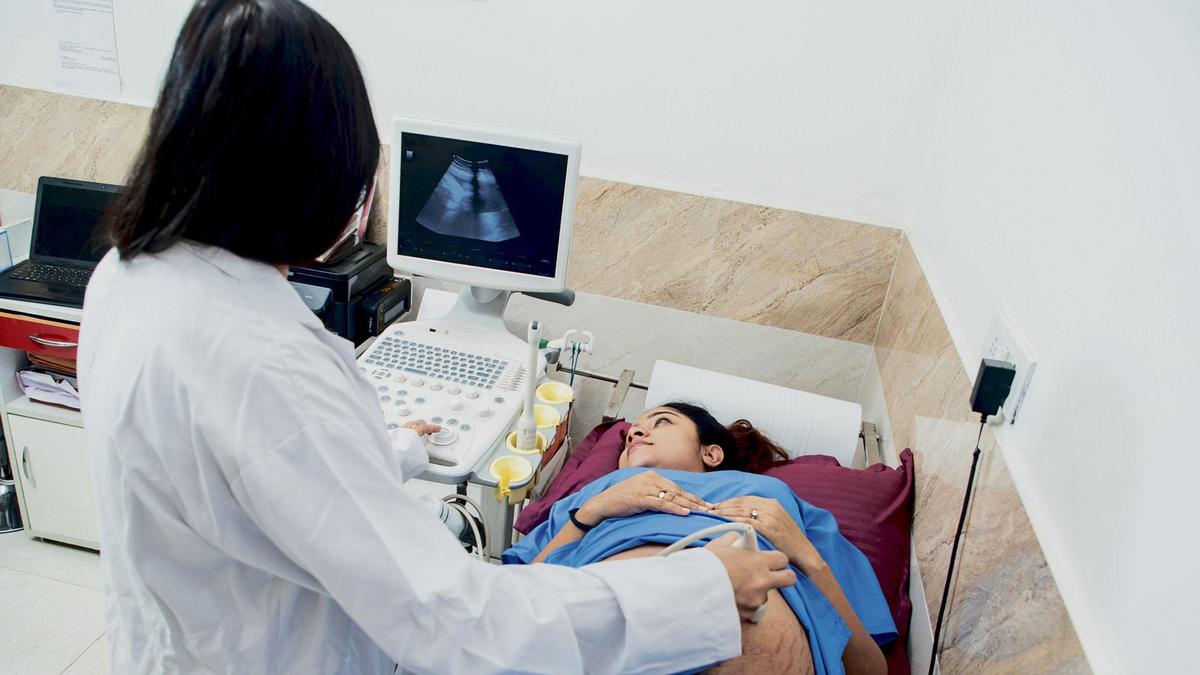
The World Health Organization estimates that 1 in 6 people globally are affected by infertility. An Indian Council of Medical Research-NIRRCH study found that 85% of couples undergoing IVF incur catastrophic expenditure, and only 5% hold any insurance. Photograph used for representational purposes only | Photo Credit: Getty Images The reproductive-autonomy jurisprudence as evolved by the Supreme Court under Article 21 of the Constitution is rich yet narrow, focusing primarily on one side of the problem. In Suchita Srivastava v. Chandigarh Administration (2009), the Court held that reproductive choices may be exercised to procreate as well as to abstain from procreating. In X v. Principal Secretary, Health and Family Welfare Department (2022), the Supreme Court extended the right to abortion to unmarried women as an exercise of ‘decisional autonomy’.These, and nearly all other landmark cases are concerned only with an existing pregnancy. The freedom to pursue parenthood through medical treatment, however, has surfaced only at the margins. The Delhi High Court, in 2023, allowed parole of a life convict to attempt IVF, by recognising a “right to parenthood,” but only as a claim against a barrier the State itself had erected. No court has yet asked whether the State may leave a citizen’s access to infertility care entirely to their own purse. Can a right available to the fertile but structurally withheld from the infertile be called a universal right? Published - November 18, 2026 07:03 pm IST
Does India need to financially aid families’ decisions to have a child through fertility treatment?
Full Article
Original Source
Read the full article at Thehindu →KhanList aggregates and links to publicly available news content. We do not host full articles from third-party sources. Always verify important information with original sources.